0:59 AM Gurgling Drains: What the Sound Is Actually Telling You | |
If you’ve ever heard a sink, bathtub, or toilet gurgle when water drains, the sound is more than an annoyance—it’s a clue. In most cases, gurgling indicates that air can’t move through your plumbing system the way it should, causing water to back up and create unstable pressure.
What gurgling actually means
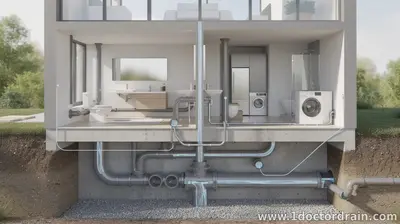
Residential drainage systems rely on both water flow and air movement. As water travels through pipes, it must be replaced by air coming through vents. When that ventilation is restricted or blocked, air is forced through standing water or back toward fixtures, producing bubbling and gurgling noises. Common causes behind gurgling drains
1) Clogged or blocked vent pipes One of the most frequent causes is a vent issue—often due to debris, bird nests, leaves, or ice. A blocked vent can make drains sound like they’re “gulping” air, especially when multiple fixtures are used.
2) Partial clogs in drain lines Hair, grease, soap scum, food particles, or mineral buildup can create a partial blockage. Water may pass slowly but still struggle to clear fully, leading to gurgling as air and water fight for space.
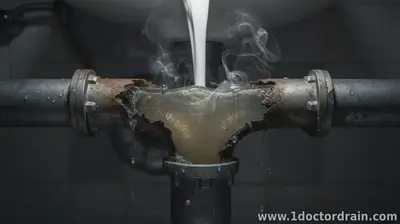
3) Sewer line restrictions or backups If the gurgling occurs across several drains, it may point to a problem further downstream—like a narrowing in the main line or early-stage blockage. In these cases, gurgling can intensify after flushing or using dishwashers and washing machines.
4) Incorrect plumbing slope or installation issues Pipes that are pitched incorrectly—or fittings installed in a way that traps air—can contribute to poor drainage. This is more likely in older homes with renovations or newly connected plumbing. How to tell how serious it is
Plumbing noise doesn’t always signal an emergency, but patterns matter. A single gurgle when draining a small amount of water can indicate localized buildup. Persistent gurgling, slow drainage in multiple rooms, foul odors, or water backing up in sinks or tubs suggests a larger blockage or vent failure.
What you can do right now
For minor issues, start with safer, non-destructive steps: avoid pouring grease or chemicals down the drain, use a plunger if the problem is isolated to a toilet or sink, and consider removing visible debris near the drain strainer. If you have access, check for obvious clogs in the trap and clean the strainer. For grease-heavy sinks, regular degreasing and routine maintenance can reduce buildup that contributes to partial blockages.
When to call a professional
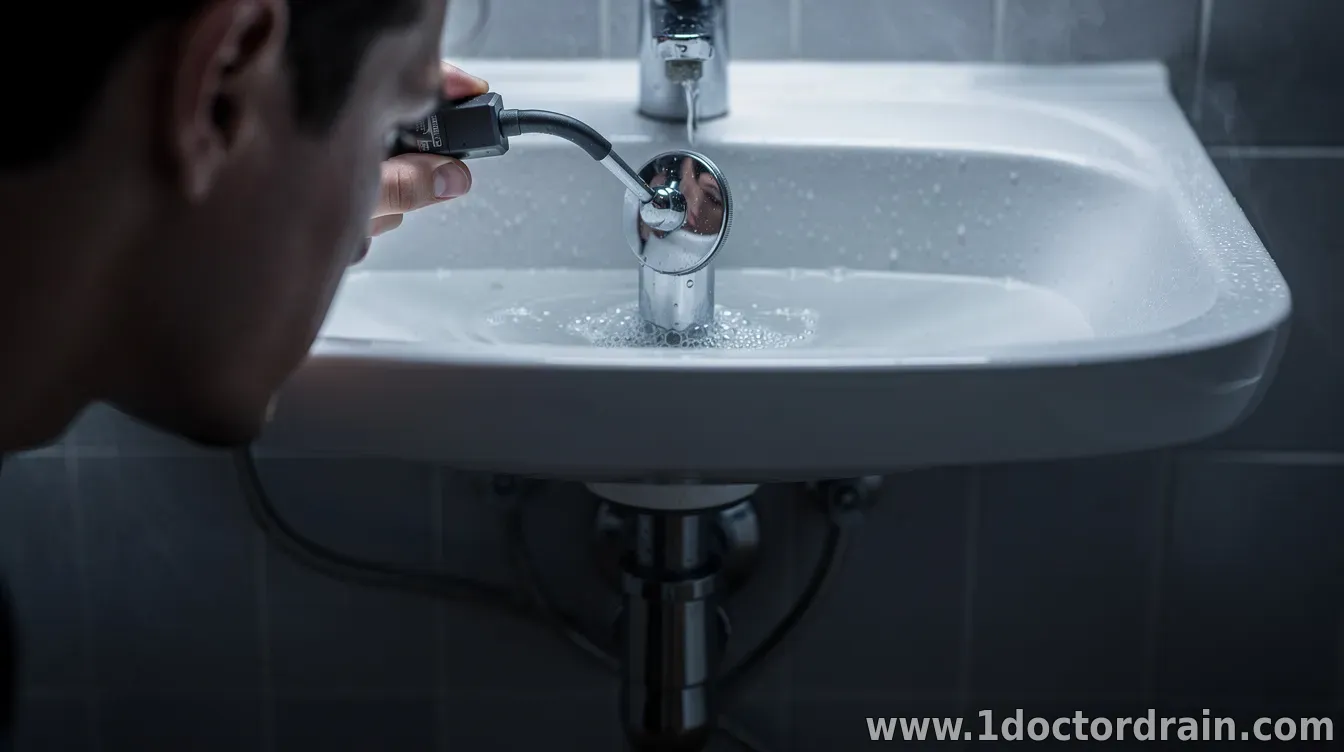
If the gurgling persists, spreads to multiple fixtures, or comes with recurring slow drainage, it’s time to get expert help. Licensed plumbers can inspect venting, identify clogs deeper in the line, and assess pressure and flow using tools like plumbing cameras. Early intervention can help avoid full backups that may damage flooring, cabinetry, and personal belongings.
Bottom line
Gurgling drains are your plumbing’s warning system. Whether the cause is a blocked vent, a partial obstruction, or a main-line restriction, the right diagnosis depends on the pattern of the noise and how your fixtures behave. Treat it as a signal to investigate—before the sound turns into a problem you can’t ignore.
| |
|
| |
CALL ☎ Subscribe 👆
Next & Previous posts
Related materials:
CONTACT US 📩
Submit the form, we'll contact you as soon as possible!