2:33 AM How Video Inspection Technology Rebuilt Drain Diagnostics | |
Drain problems used to be diagnosed with limited tools: listen for gurgling, measure flow, run cameras only in the most advanced cases, and then infer what was happening inside buried pipes. Today, video inspection technology has shifted diagnostics from speculation to evidence—helping crews see what’s inside the line before they start cutting, digging, or replacing infrastructure.
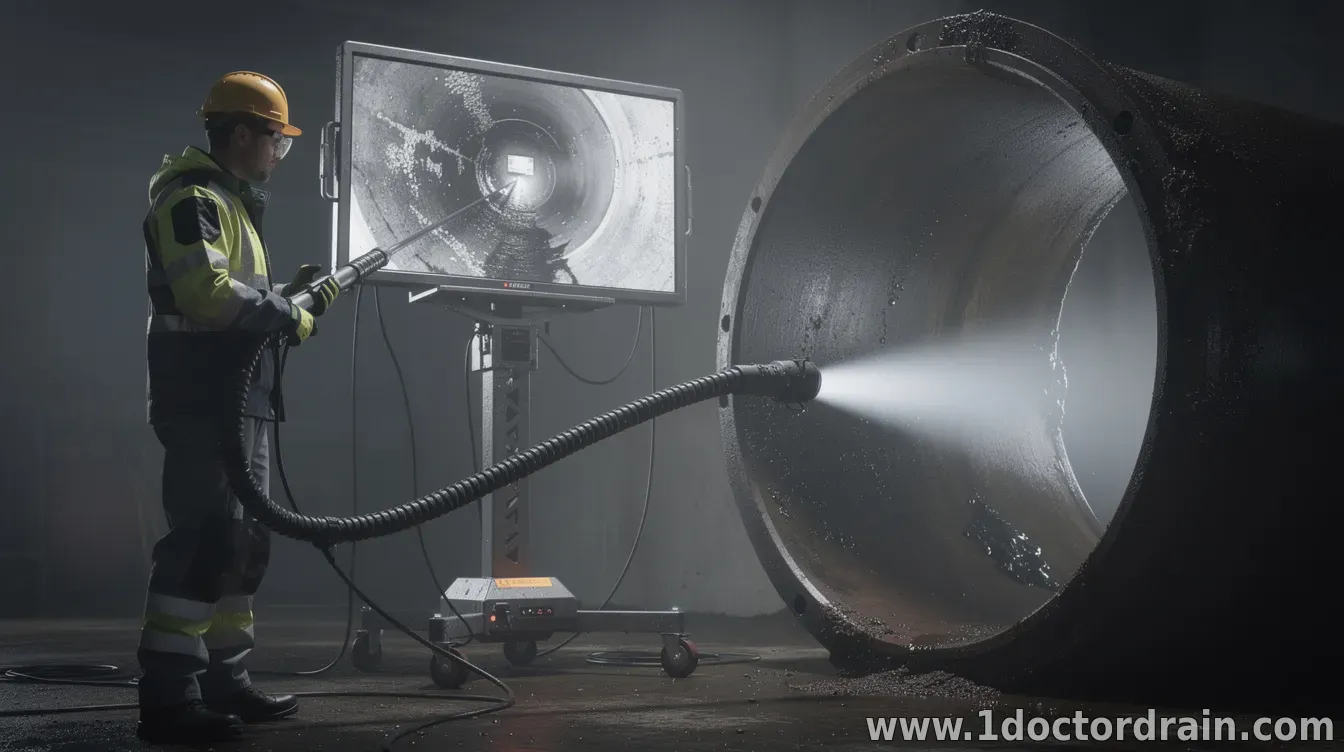
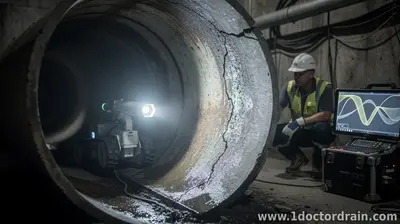
Modern inspection systems combine steerable camera heads, powerful lighting, and digital recording to capture the condition of pipes from the inside. The result is a detailed look at how water moves (or doesn’t) and why a problem is recurring—whether the cause is a blockage, structural damage, or ground movement. From “problem found” to “problem understood”
Traditional drain troubleshooting often produced uncertainty: a slow drain could mean buildup, grease, mineral scale, or a damaged joint—sometimes all at once. With video inspection, technicians can observe the location, size, and nature of the defect, then match the repair approach to what they actually see. That reduces unnecessary work and helps crews prioritize the most urgent issues.
In practice, the camera image supports decisions such as whether to perform targeted cleaning, use a localized repair method, or plan a section replacement. It also helps differentiate between temporary obstructions and conditions that will likely fail sooner, such as cracks, offset joints, or recurring root intrusion. Improved accuracy for common diagnostic scenarios
Video-based diagnostics have become especially valuable in high-frequency drain challenges:
Because the findings are visual and geo-located along the run, teams can document exactly where the problem begins and ends—improving repeatability across jobs and over time. Faster workflows and better reporting
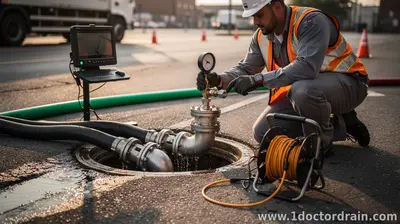
One of the biggest operational shifts is that video inspection compresses the time between diagnosing and deciding. Instead of waiting for trial-and-error outcomes, technicians can review footage in the field, consult with supervisors, and communicate next steps to property owners or facility managers.
Many inspection platforms also support standardized reporting, allowing customers to receive annotated footage, measurements, and defect classifications. That documentation is particularly useful for multi-phase repairs, warranty discussions, and municipal maintenance planning where accountability and traceability matter. Smarter maintenance and fewer repeat failures
Video inspection doesn’t just help when a drain is actively failing; it’s increasingly used for proactive monitoring. By tracking changes across inspections—such as expanding cracks, increasing sediment buildup, or progressive root growth—operators can schedule interventions before blockages escalate into emergency conditions.
As a diagnostic tool, the technology helps break the cycle of “clear it now, fix it later.” When the underlying defect is identified early, repairs can be targeted, and the risk of reoccurrence is reduced. What’s next for drain diagnostics
As camera systems evolve, expect continued improvements in image clarity, navigation, and defect identification workflows. Emerging approaches also aim to streamline how footage is categorized and converted into actionable maintenance work orders—turning what used to be hours of manual interpretation into faster, more consistent insights.
Overall, video inspection has made drain diagnostics more precise, transparent, and efficient. By seeing the true condition of pipes, crews can choose the right repair method the first time—and property owners and municipalities can plan with evidence rather than assumptions.
| |
|
| |
CALL ☎ Subscribe 👆
Next & Previous posts
Related materials:
CONTACT US 📩
Submit the form, we'll contact you as soon as possible!