0:44 AM How to Winterize Your Drains Before Cold Weather | |
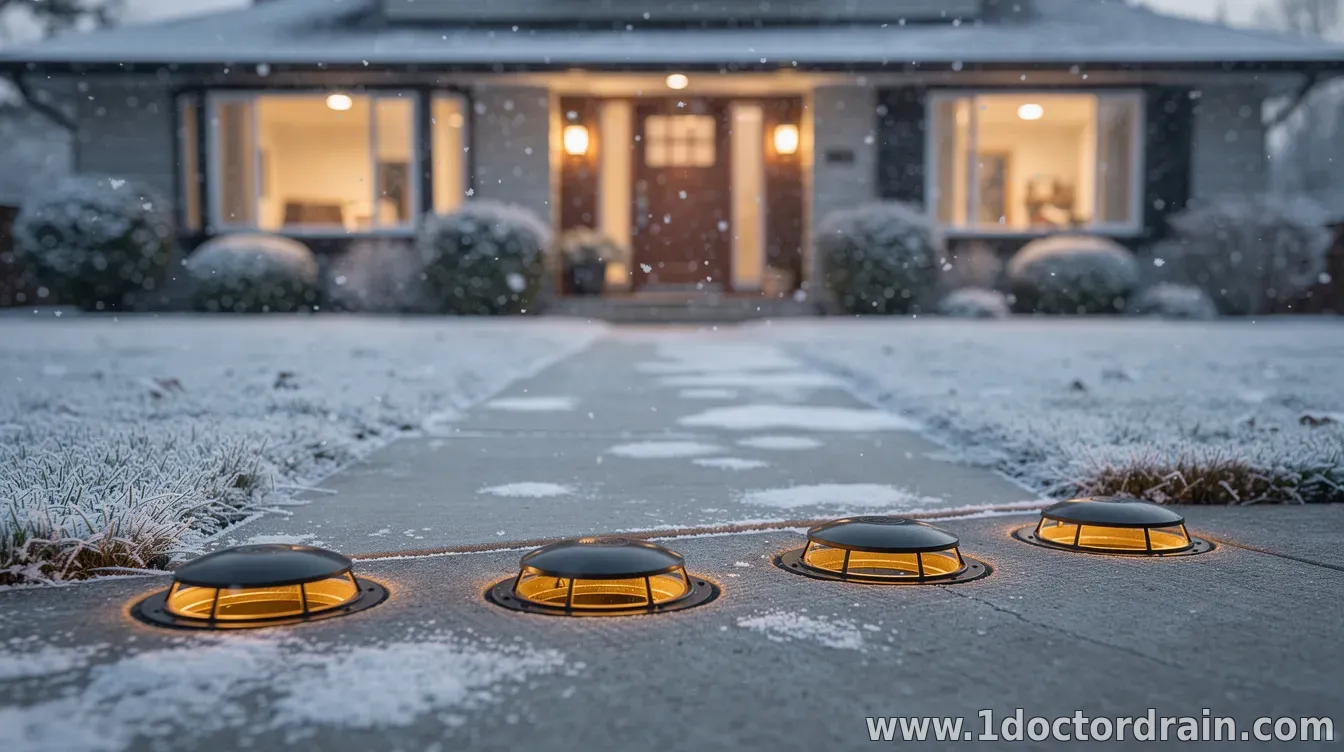
As temperatures drop, residential plumbing becomes more vulnerable to freezing, blockages, and drainage issues. Winterizing your drains early can reduce the risk of backup problems and keep sinks, tubs, and toilets flowing smoothly through the cold season. Why winterizing matters
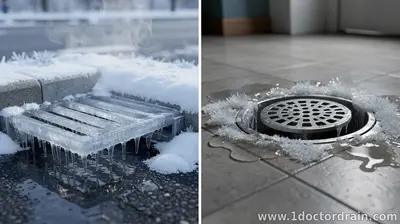
When water can’t move freely, it tends to linger in pipes—especially in slower drains or vulnerable sections of plumbing. In freezing temperatures, trapped water may expand, contributing to pipe damage. Meanwhile, colder conditions can worsen existing buildup from grease, soap scum, hair, and debris, leading to stubborn clogs. Start with a drain “reset”
Begin by clearing each household drain you rely on most. Remove visible hair or gunk from strainers, and flush drains with hot water where appropriate (and safe for your plumbing). If a drain is already sluggish, addressing buildup before the weather turns can prevent a minor issue from becoming a full blockage.
For routine maintenance, consider using a drain cleaner suited to the type of clog and your household plumbing. If you’re unsure, focus on manual cleaning first—then move to gentle, product-based treatments rather than repeated harsh attempts. Protect plumbing that can be exposed
Not all pipes are equally exposed. Check areas like garages, basements, crawl spaces, and exterior walls where pipes may run without insulation. Use pipe insulation on vulnerable sections and seal drafts around access points. Keeping air temperatures more stable around the plumbing reduces the chance that any remaining water inside pipes will freeze.
If you have an exterior hose bib or outdoor drain, disconnect hoses, drain remaining water from the line, and consider using an outdoor faucet cover. Exterior components freeze quickly because they’re often exposed to wind and colder air. Reduce backups with smarter habits
During the weeks leading into winter, adjust everyday use to lower the risk of blockages. Avoid pouring grease, cooking oils, or large food scraps down kitchen drains. In bathrooms, keep hair and soap buildup under control by cleaning strainers regularly. For toilets, ensure only appropriate materials are flushed.
For drains that you rarely use, run water periodically to keep water moving through the trap and connected lines. Stagnant water can be more prone to odors and can make clogs more likely to develop. Watch for warning signs early
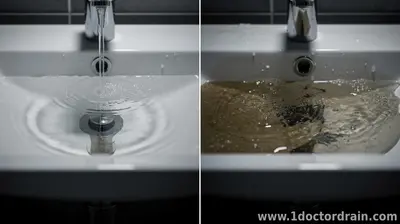
Small changes can signal a problem before it becomes urgent. Slow drainage, gurgling sounds, recurring backups in one fixture, or persistent odors are often clues that buildup is forming. Address these signs promptly—waiting until a deep freeze may make repairs harder and more expensive.
If you suspect freezing already occurred or a clog keeps returning despite cleaning, it may be time to consult a licensed plumber. Professional help is especially important if you notice wet spots around pipes, repeated toilet overflow risk, or any evidence of damaged plumbing.
With a drain reset, insulation and protection for exposed pipes, and a few behavior tweaks, you can winterize your drainage system ahead of the cold season—helping your home stay comfortable, functional, and less prone to emergency plumbing issues.
| |
|
| |
CALL ☎ Subscribe 👆
Next & Previous posts
Related materials:

CONTACT US 📩
Submit the form, we'll contact you as soon as possible!