1:38 AM Drain and Sewer Inspection in a Home Checklist | |
When you’re building a home inspection checklist, drain and sewer inspection belongs near the top of the “systems” section. Unlike visible plumbing fixes, problems in sewer lines can stay hidden for years—until slow drains, foul odors, or water damage appear. What a “drain/sewer inspection” typically covers
In most home inspections, this does not mean a full excavation or engineering assessment. Instead, it generally focuses on observable conditions, functional testing, and records review, plus guidance on when a specialist (like a licensed plumber or sewer camera technician) should step in.
A solid checklist item usually includes verifying accessible interior drain components, checking how fixtures perform during operation, and assessing any available information about the main line and sewer connection. Checklist items to add
Use these as checklist prompts for your inspector or report writer. Requirements vary by jurisdiction, but these items are common in thorough inspections.
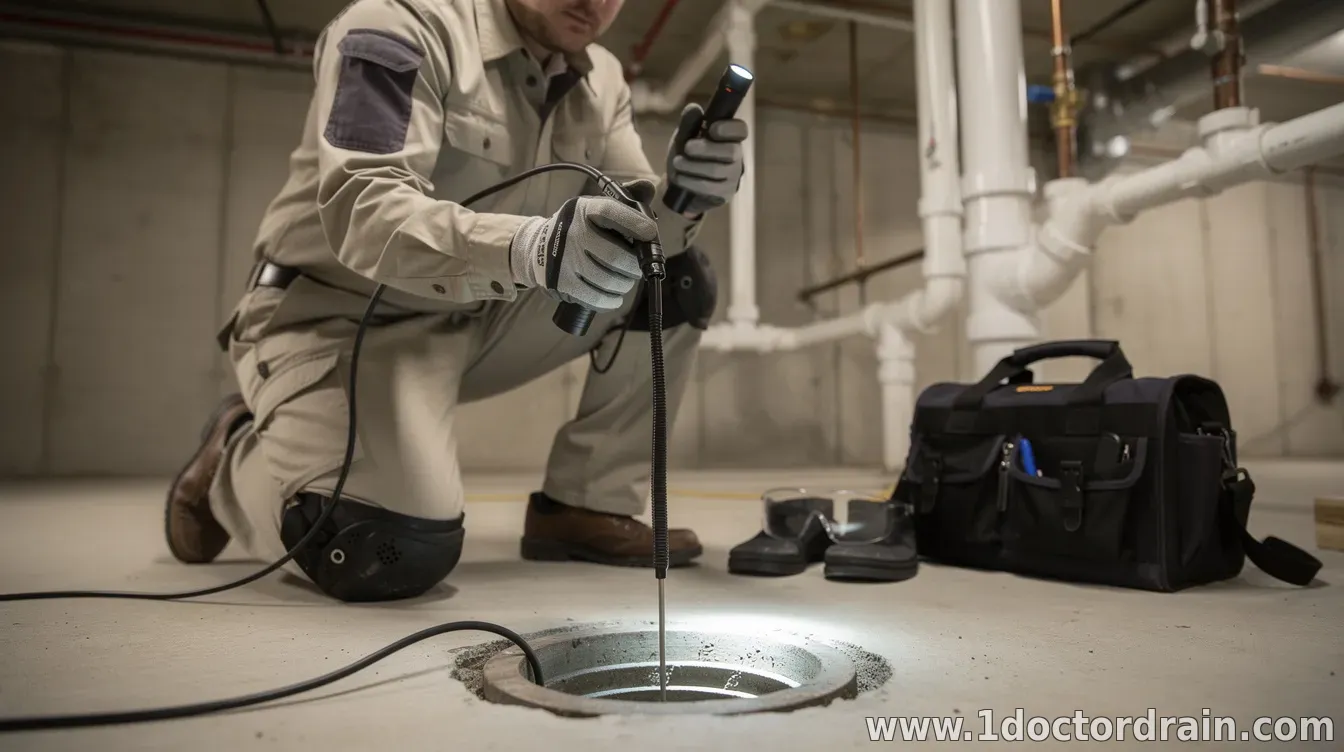
When to recommend a video camera scope
If the home inspection finds red flags—or if the home has a higher-risk profile (older plumbing, tree roots nearby, recurring clogs, or unclear prior repairs)—a video camera inspection of the sewer line is often the next step. A camera scope can show issues that may be invisible to routine observation, such as cracks, collapsed sections, root intrusion, or build-up along the pipe wall.
In a checklist context, you can treat camera scoping as a conditional “recommended follow-up” item when symptoms or prior evidence suggest the main sewer line may be compromised. Common findings and what they mean
While every report should be interpreted by qualified professionals, home inspectors commonly document concerns like the following and then suggest appropriate follow-up:
Safety, access, and limitations
Many sewer-related issues are outside the inspector’s direct access. A responsible checklist entry should note limitations such as restricted access, inability to open sealed systems, or inability to perform destructive testing. Also, if cleanouts are missing, capped incorrectly, or inaccessible, that should be clearly stated as a limitation rather than treated as a definitive “no problem found.”
Finally, inspection day conditions matter. Temporary clogs or recent heavy use can affect results, so it’s useful to document what was observed during testing and any context provided by the occupant.
For buyers and homeowners, adding drain/sewer inspection to the checklist improves odds of catching hidden issues early. When you pair routine observation with a clear recommendation for a camera scope in the presence of symptoms, you create a practical path from “what we saw” to “what should be verified.”
| |
|
| |
CALL ☎ Subscribe 👆
Next & Previous posts
Related materials:
CONTACT US 📩
Submit the form, we'll contact you as soon as possible!