BLOG

Home BLOG

☎ 312-532-6435

Drain сleaning serviсe, clogged drain, sewer cleaner, IL

Home » Doctor Drain
Drain problems: from minor annoyances to major disruptions

Drain problems: from minor annoyances to major disruptions


Drain problems vary in severity, but they share a common pattern: blockages or slow drainage that signal an underlying issue. For homeowners, recognizing the early signs—gurgling pipes, frequent clogging, and unusual odors—can avert bigger disruptions and high repair costs.


What causes drainage problems? In many cases, buildup from soap, hair, and mineral deposits narrows pipes over time. Other frequent culprits include tree roots invading sewer lines, improper flushing of non-dissolvable items, and aging plumbing that develops leaks or broken joints. In commercial settings, heavy usage and improper wastewater management can accelerate wear on drainage systems.


Risks of ignoring drainage issues Small clogs can escalate into complete blockages, leading to water damage, foul odors, and mold growth. Persistent drainage problems can also impact indoor air quality and, in severe cases, structural ... Read more »


Added: admin 03/10/2026 into the category «Doctor Drain» Views: 106 Commets: 0
More


Power rodding: an effective solution for stubborn sewer and drain clogs

Power rodding: an effective solution for stubborn sewer and drain clogs


Power rodding is a high-pressure, motorized method used to clear deep-seated clogs in sewer and drain lines. It utilizes a flexible steel rod equipped with cutting or grinding heads that break apart blockages as the rod is fed into the pipe. Compared with traditional hand-snaking, power rodding can access tighter bends and tougher deposits, making it a go-to choice for stubborn clogs.


What is power rodding?


At its core, power rodding involves a mechanized machine that pushes a rotating, flexible rod through the plumbing line. The heads attached to the rod are designed to cut through mineral buildup, grease, roots, and other common obstructions. The process creates small shavings that are carried away by wastewater and collected through appropriate drainage systems.


How it works


Technicians insert the rod into the cleanout or access point and gradually feed it into the pipe. As the hea ... Read more »


Added: admin 03/10/2026 into the category «Doctor Drain» Views: 140 Commets: 0
More


Basement Flood Guide: Immediate steps and prevention

Basement Flood Guide: Immediate steps and prevention


Basement floods can happen from heavy rain, sewer backups, or sump pump failures. The first priority is safety: avoid electrical hazards, evacuate if necessary, and call for professional help when the situation exceeds personal capability.


Immediate safety actions (within minutes)


If it is safe to do so, turn off electricity at the main breaker to prevent shocks. Do not touch electrical devices in standing water. If you can access the sump pump or drainage system without stepping into water above your ankles, check for clogs and restore function if possible. Wear protective gear—gloves, boots, and a mask—to limit exposure to contaminated water.


Move valuables and important documents to higher ground. Photograph the scene for insurance purposes and document the extent of the damage before making any changes.


Post-flood cleanup and restoration (hours to days)


... Read more »


Added: admin 03/09/2026 into the category «Doctor Drain» Views: 91 Commets: 0
More


Can a clogged main line cause a flooded basement? Causes and prevention

Can a clogged main line cause a flooded basement? Causes and prevention


The short answer is yes: a clogged main line can indeed cause a flooded basement. When the primary sewer or main drainage line becomes blocked, wastewater has nowhere to go. Depending on the plumbing layout of a home, pressure can force water up through floor drains or toilets, or seep through cracks in the foundation, especially during heavy rainfall when groundwater adds to the pressure.


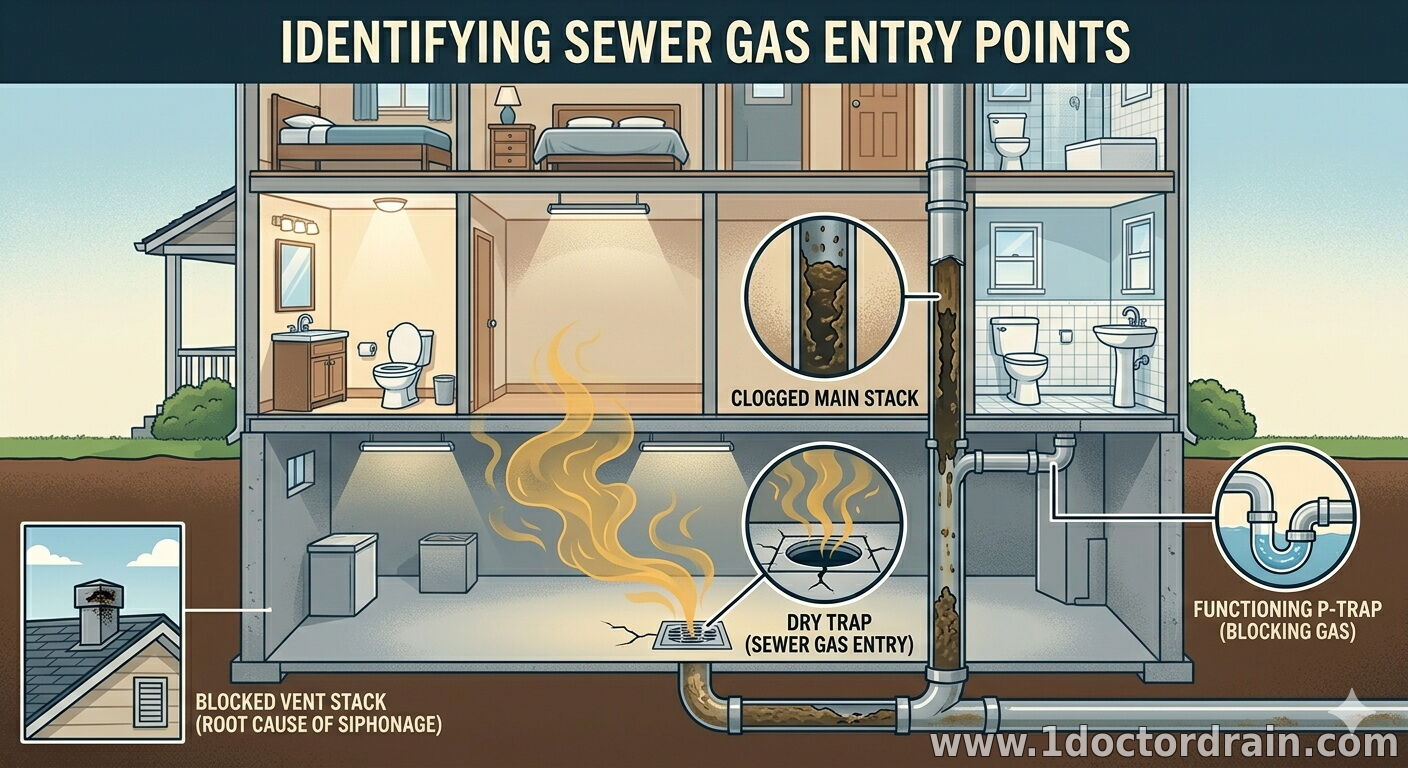
What typically causes a main-line blockage? In older homes, tree roots can intrude into sewer pipes, while newer systems may clog from grease, paper, or mineral buildup. A blockage downstream of your cleanout or vent stack often manifests as slow drains in multiple fixtures, gurgling sounds, and sewage odors before a full backup occurs.


Warning signs include:

  • Multiple drains backing up at once
  • Sewage odors from drains or basement floor drains
  • Slow drainage across sinks, toilets, and tubs
  • Water or waste comin ... Read more »
Added: admin 03/09/2026 into the category «Doctor Drain» Views: 105 Commets: 0
More


« 1 2 ... 21 22 23 24 25 ... 36 37 »