6:43 AM Home Buyer’s Sewer Checklist for Houses and Condos | |
|
Buying a home is a big investment, and sewer system health is a critical, often overlooked part of that decision. A thorough sewer checklist can help you gauge potential repairs, downtime, and long-term costs, whether you’re eyeing a single-family house or a condo unit with shared infrastructure.
Why sewer checks matter: problems with drains, sewer lines, or related components can lead to costly repairs, water damage, or even insurance hurdles after closing. Understanding the current state of the system lets you negotiate confidently and budget accurately for maintenance. Key inspection points
When reviewing the property, focus on these areas to assess the sewer system’s condition and risk:
Condo units require additional consideration of shared infrastructure, including building-wide main lines, under-slab piping, and maintenance histories for the association’s sewer system. Red flags and questions to ask
Look out for signs of trouble and ask the seller or inspector about:
Request documentation from the seller, such as previous inspection reports, maintenance records, and any warranties on sewer work. For condos, clarify what the HOA covers and any upcoming assessments related to the sewer system. Engineered systems, codes, and cost implications
Know that some issues may require trenchless repair, line relining, or full replacement, each with different timelines and budgets. Costs can range from minor cleanouts to several thousand dollars for main-line work. An inspector or plumber can provide a written estimate and potential insurance impacts.
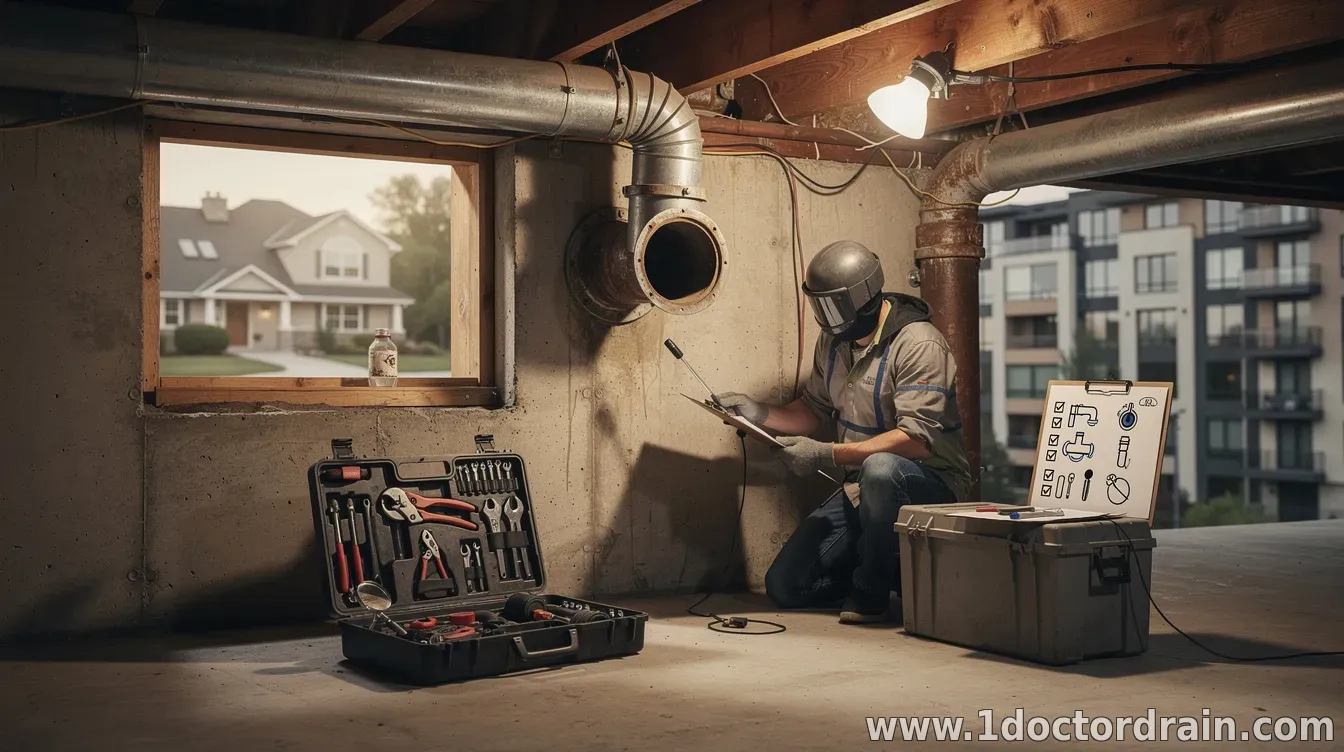
In all cases, involve a qualified plumber or sewer camera technician to perform a targeted evaluation, especially if you’re seeing backups, gurgling sounds, or recurring clogs. A professional assessment helps you verify issues and determine realistic repair timelines before closing.
Condo buyers should request confirmation that the HOA has a current reserve fund for sewer-related projects and a plan for any anticipated assessments. House buyers should factor in potential yard or tree-root interference that could affect service lines beyond the home’s footprint.
Next steps: review the inspector’s notes, obtain quotes from licensed plumbers, and confirm any necessary repairs or credits with the seller. A clear, documented sewer condition report supports smarter negotiations and long-term budgeting for your new home.
| |
|
| |
CALL ☎ Subscribe 👆
Next & Previous posts
Related materials:


CONTACT US 📩
Submit the form, we'll contact you as soon as possible!