0:53 AM How to Check Sewer Lines Before Buying a Home | |
Buying a home is expensive, and sewer-line problems can be among the most disruptive surprises. Before closing, it’s smart to verify that the main sewer line from the house to the municipal connection—or to a septic system, depending on the property—is functioning properly and is in good condition.
While home inspectors may note obvious issues, the most reliable way to assess sewer lines is usually a targeted inspection using a specialized video camera and, when appropriate, pressure testing. 1) Start with what you can learn before any invasive work
Ask for existing documentation first. Request any prior plumbing or sewer work invoices, past inspection reports, and information about cleanouts, prior backups, or recurring odors. If the home has older cast-iron piping or is in an area known for tree roots or shifting soils, flag that for the inspector.
Also confirm key details about the property layout: where the main line runs, whether there is an accessible cleanout, and whether the home is connected to a public sewer system or uses a septic tank. These facts determine the right testing approach. 2) Schedule a sewer camera inspection (scope) of the main line
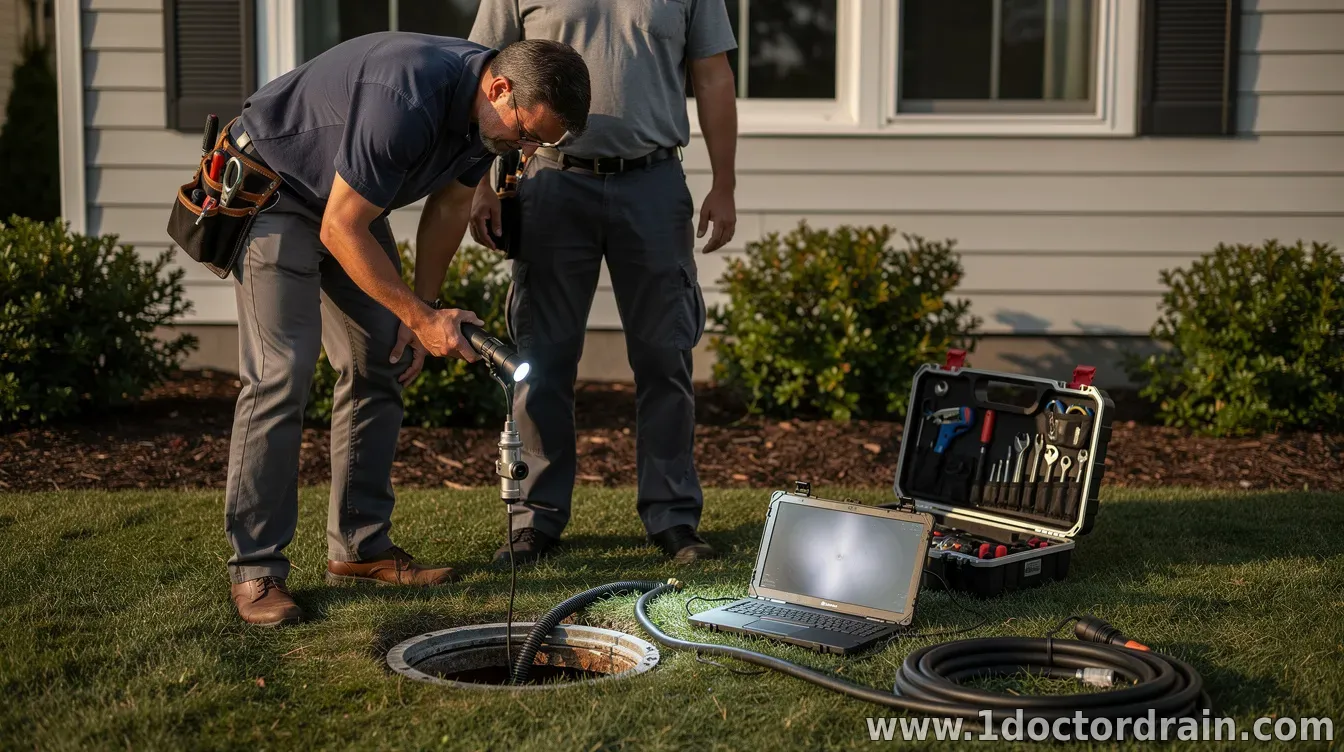
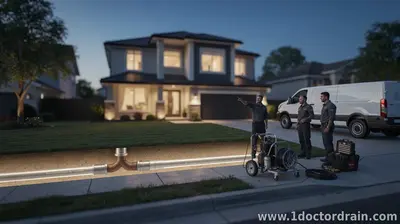
A video sewer scope typically involves inserting a small camera through a cleanout and recording the condition of the interior pipe. This is the best method to spot issues like cracks, corrosion, collapsed sections, joint separation, heavy buildup, and root intrusion. For buyers, the primary value is documentation—clear footage and a written summary you can share with your lender, contractor, or attorney if needed.
If possible, have the inspection cover the full run from the home’s connection to the point you can reach on the property. For some homes, additional access may be needed to inspect farther, such as the segment near the property line. 3) Consider pressure testing and flow checks
Depending on the situation, a licensed plumber or sewer contractor may recommend additional tests. Pressure or leak testing can help identify defects that are not obvious from a camera view alone. Flow checks can also be useful to evaluate whether the line clears effectively and whether there are signs of sluggish drainage.
Not every property needs every test, but if you notice slow drains, recurring backups, multiple bathroom or fixture issues, damp areas near the foundation, or sewer odors, broaden the evaluation. 4) Look for red flags that should trigger stronger action
Some warning signs suggest you should request more than a basic inspection. Common red flags include repeated toilet backups after rain, gurgling drains, sewage odors near the yard or basement, wet soil or depressions over the line, visible cracks or sinkholes in the exterior, or evidence of previous emergency plumbing.
If the scope reveals serious damage—such as collapsed pipe, extensive root intrusion, or major separation—ask for a repair quote and timeline. You may also want to discuss whether repairs should be completed before closing or negotiated as a credit. 5) Confirm access points and document everything for negotiation
Before the inspection, verify that a cleanout access point exists and is reachable. If access is blocked by landscaping, concrete, or structural elements, the scope may be limited. Discuss access needs with the contractor so you know what will (and won’t) be inspected.
Once the inspection is complete, collect the contractor’s written report, dated footage, and recommended next steps. Keep these materials organized for your home file and use them to support decisions during your offer, appraisal process, or post-inspection renegotiation.
Finally, remember that sewer checks are most effective when you align them with your risk level. Newer homes may still benefit from a camera check, but older plumbing systems, mature trees near the line, and properties on challenging soil conditions typically justify earlier and more thorough testing.
Taking a planned, documented approach now can prevent expensive sewer repairs later—and help you buy with clearer confidence.
| |
|
| |
CALL ☎ Subscribe 👆
Next & Previous posts
Related materials:
CONTACT US 📩
Submit the form, we'll contact you as soon as possible!