BLOG

Home BLOG

☎ 312-532-6435

Drain сleaning serviсe, clogged drain, sewer cleaner, IL

Home » Drain cleaning
Drain Cleaning Maintenance Plans: Are They Worth It?

Drain Cleaning Maintenance Plans: Are They Worth It?


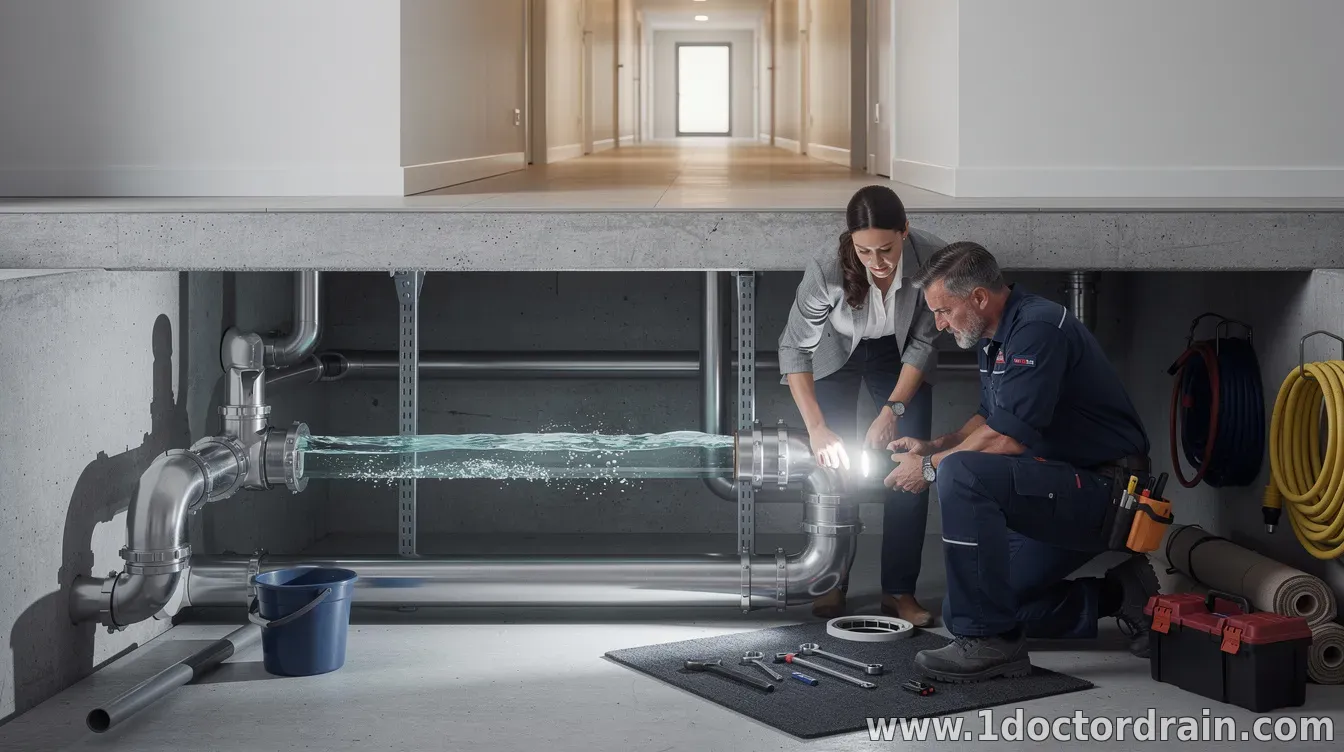
Monthly or annual “drain cleaning” maintenance plans have become a common upsell in residential and small-business plumbing. The pitch is straightforward: regular visits prevent buildup, reduce the odds of backups, and help you avoid costly emergency calls. The question for homeowners, however, is whether these plans deliver enough real-world benefit to justify their recurring cost.


What maintenance plans typically cover


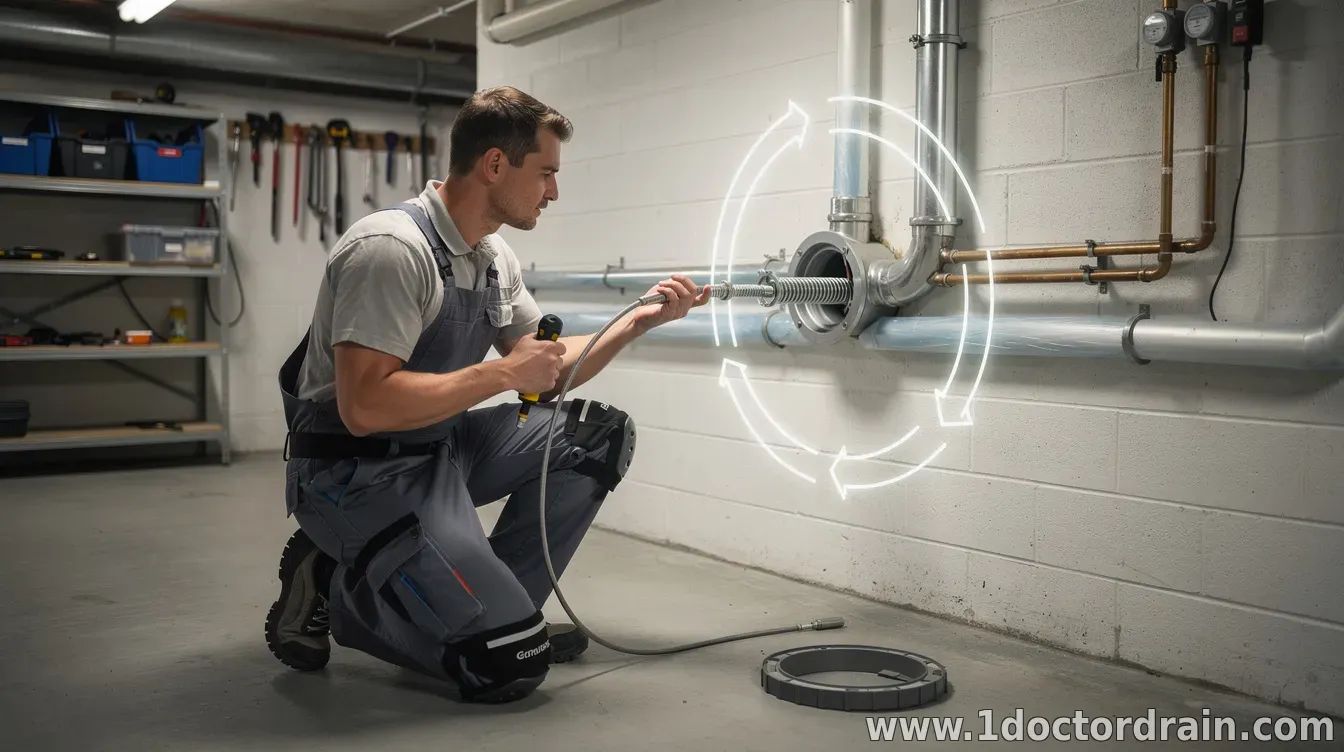
Most drain maintenance offerings focus on routine clearing of scum, grease, hair, scale, and other common contributors to slow drains. Depending on the provider, a plan may include scheduled drain cleaning for specific fixtures (such as kitchen sinks or bathtub drains), inspections, and discounted rates for additional repairs. Some plans also include camera inspections, but others rely on standard mechanical or chemical clearing without confirming the underlying cause of recurring issues.

  ... Read more »


Added: admin 05/30/2026 into the category «Drain cleaning» Views: 119 Commets: 0
More


How to Prepare Your Storm Drain for Chicago Rainy Season

How to Prepare Your Storm Drain for Chicago Rainy Season


As Chicago heads into its rainier months, blocked or poorly maintained storm drains can quickly turn routine downpours into street flooding or basement backups. While local infrastructure does much of the heavy lifting, homeowners and property managers can improve flow by preparing drainage paths before the busiest storms arrive.


The goal is simple: keep water moving into the storm sewer system by reducing debris, leaves, and sediment that accumulate around inlets and grates. Even small improvements—like clearing a few inches of buildup and managing runoff from your yard—can make a measurable difference during peak rainfall.


Start with a careful inspection


Before the first major storm, walk your property and look for storm drain intakes—such as curbside grates, yard inlets, or drain structures along driveways and walkways. Check for visible leaves, twigs, trash, standing water that drains slow ... Read more »


Added: admin 05/28/2026 into the category «Drain cleaning» Views: 125 Commets: 0
More


Restaurant Drain Maintenance: Grease, Codes, Schedules

Restaurant Drain Maintenance: Grease, Codes, Schedules


Drain problems in restaurants rarely start as sudden failures. More often, they build quietly—through grease and food solids accumulating inside pipes, slowly narrowing flow paths until backups, odors, and emergency repairs follow. A practical maintenance plan can prevent most issues while also supporting compliance with local plumbing and wastewater requirements.


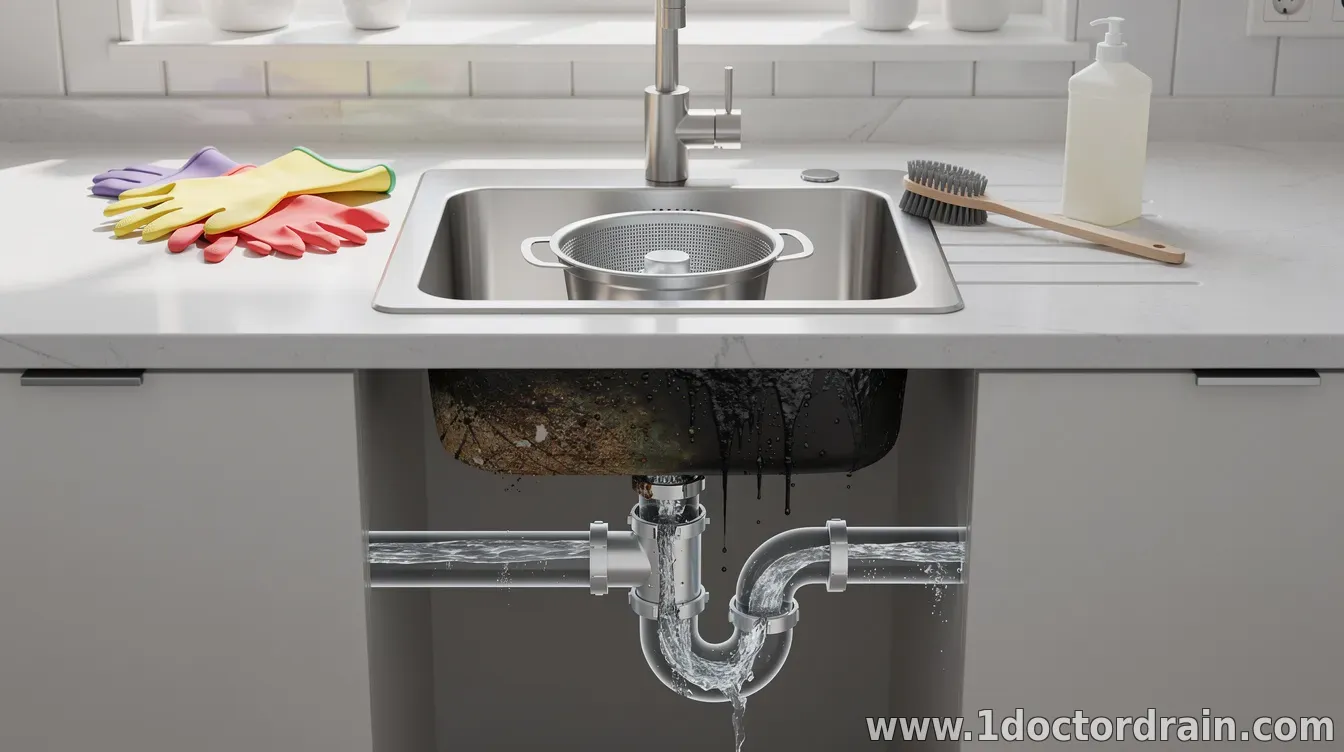
Grease is the primary driver of clogged drains. Kitchen wastewater can carry oils and fats that cool and harden on pipe walls. Over time, that residue traps other debris, including food particles and organic waste, forming blockages that are difficult to clear without specialized equipment. Many jurisdictions require restaurants to manage grease before it enters municipal sewer systems, typically through grease interceptors or approved alternatives.


What codes usually require (and what to document)


While details vary by city and ... Read more »


Added: admin 05/28/2026 into the category «Drain cleaning» Views: 122 Commets: 0
More


What Happens If Your Ejector Pump Fails?

What Happens If Your Ejector Pump Fails?


An ejector pump is designed to move wastewater away from basements, bathrooms, or other areas that sit below the main sewer line. When it fails, the results are rarely just an inconvenience—backup can begin surprisingly fast and escalate into water damage, contamination, and major cleanup costs.


Immediate effects: backup and rising water levels


Most ejector systems rely on a float switch and a pump to discharge waste into the proper line. If the pump stops working or power is interrupted, wastewater can start accumulating in the pit. As the level rises, it can overflow into nearby areas, turning a contained system into an active source of flooding.


Health and contamination risks


Ejector pumps handle sewage-level waste, which can contain bacteria and other pathogens. A backup can spread contamination onto floors, walls, and porous materials such as drywall, carpeting, and insulat ... Read more »


Added: admin 05/27/2026 into the category «Drain cleaning» Views: 125 Commets: 0
More


« 1 2 ... 15 16 17 18 19 ... 50 51 »