
BLOG

Home BLOG

☎ 312-532-6435

Drain сleaning serviсe, clogged drain, sewer cleaner, IL

Home » Doctor Drain
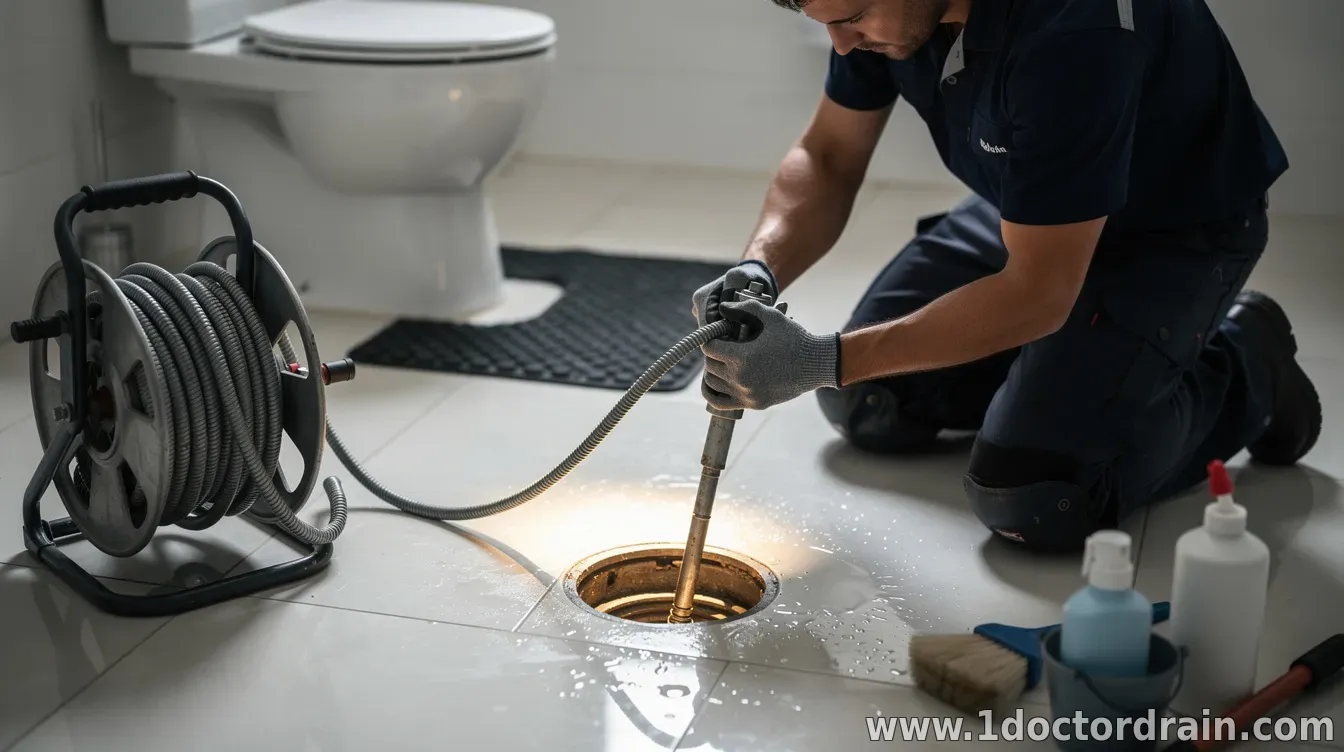
Commercial Drain Cleaning: Key Differences From Residential

Commercial Drain Cleaning: Key Differences From Residential


Commercial properties rely on plumbing that must perform every day, often for multiple tenants, high traffic, or heavy-use operations. That makes drain cleaning more than a routine maintenance task—it becomes a service plan designed to prevent operational disruption, protect revenue, and maintain compliance standards.


Higher load, faster fouling, and more severe blockages


Residential drains typically see periodic use patterns, while commercial drains can be subjected to consistent volume and unusual waste streams depending on the business. Restaurants may generate grease and food solids, warehouses can experience debris and sediment buildup, and facilities like gyms or salons may contribute hair, soap residue, and other organic matter.


Because the system load is higher and turnover can be constant, commercial lines tend to clog more quickly and can reach problematic points sooner—sometimes requiring ... Read more »


Added: admin 05/06/2026 into the category «Doctor Drain» Views: 94 Commets: 0
More


Drain Cleaning Checklist for New Homebuyers

Drain Cleaning Checklist for New Homebuyers


Buying a new home often comes with a “move-in checklist” covering paint, locks, and appliances. But one of the most common—and sometimes expensive—plumbing issues starts sooner than homeowners expect: slow drains, recurring clogs, and odors traced back to buried lines and hidden buildup.


Experts say the safest approach is to combine a basic drain assessment with targeted cleaning before you rely on every bathroom, kitchen sink, and laundry cycle. The goal isn’t to over-service your plumbing, but to catch early warning signs and remove debris that accumulates in older systems or during construction and renovations.


Start with what you can confirm quickly


Before scheduling a full cleaning, walk through the home and note how each fixture drains. Test multiple uses—not just one quick pour—and watch for gurgling sounds, water backing up, or slow emptying in tubs, showers, an ... Read more »


Added: admin 05/05/2026 into the category «Doctor Drain» Views: 101 Commets: 0
More


How to Maintain Your Drains Between Professional Cleanings

How to Maintain Your Drains Between Professional Cleanings


Professional drain cleanings are essential for tackling stubborn buildup, but homeowners can extend the time between visits with consistent, low-cost maintenance. The goal is to reduce what enters the drain, remove early-stage residue before it hardens, and spot trouble signs early.


Start with what you put down the drain


Many blockages begin with everyday habits. In kitchens, keep grease, cooking oil, and food scraps out of sink drains—even if you have a garbage disposal. In bathrooms, avoid flushing or rinsing items that don’t break down easily, such as wipes, hair, and dental floss.


For grease, use a strainer or collect-and-dispose method (e.g., a sealed container) rather than rinsing oil into the plumbing. For bathrooms, hair catchers and drain covers help intercept the material that most often contributes to slow drains.


Build a simple cleaning routine

  ... Read more »


Added: admin 05/04/2026 into the category «Doctor Drain» Views: 130 Commets: 0
More


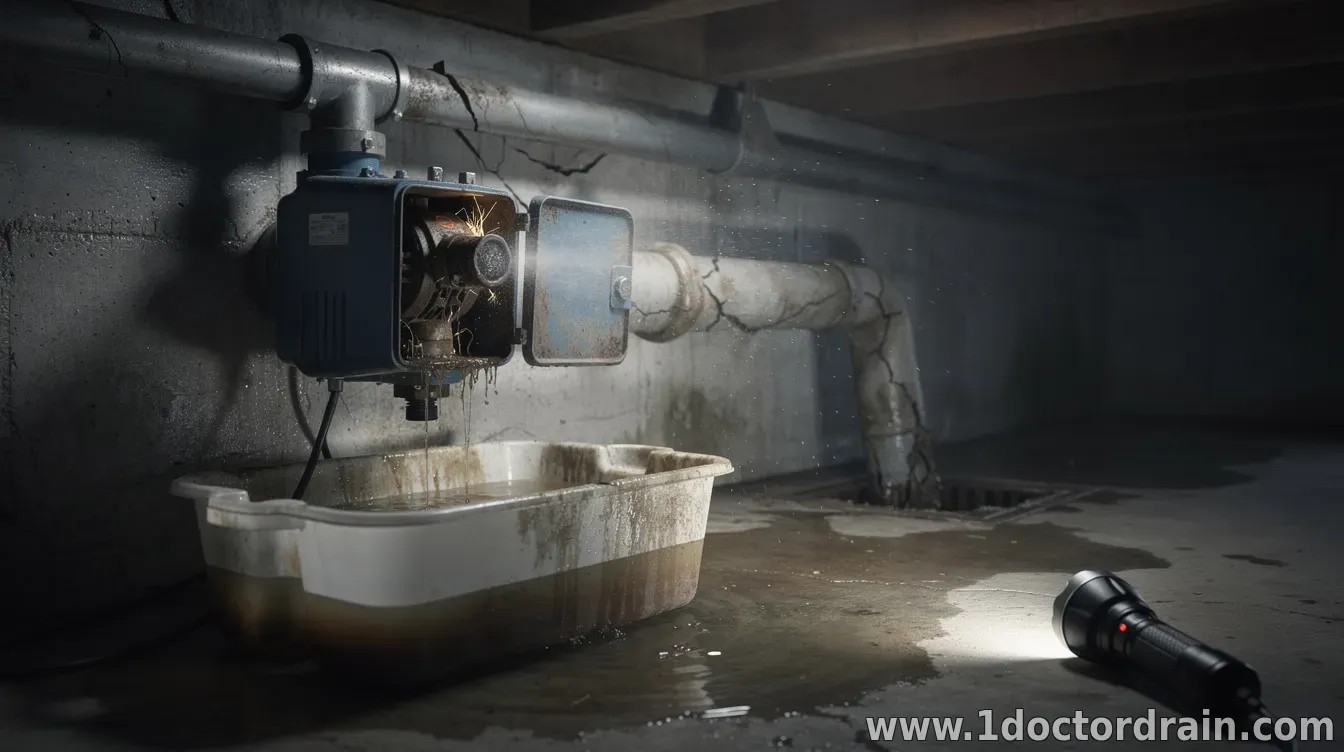
Sewage Ejector Pump: How It Works and Signs of Failure

Sewage Ejector Pump: How It Works and Signs of Failure


A sewage ejector pump is a specialized type of wastewater pump used when a home’s plumbing system can’t rely on gravity to send sewage to the municipal sewer or septic tank. Instead of wastewater flowing downhill on its own, the pump lifts it upward—often from a basement, crawl space, or other lower-than-sewer area.


Understanding what the pump does, and what “normal” looks like, makes it easier to catch problems early—before a minor mechanical issue turns into a messy backup.


What a sewage ejector pump does


Most systems include a basin (or sump) where wastewater collects, a pump that moves it, and controls that turn the pump on when the liquid reaches a certain level. Depending on the setup, the ejector pump may also include a check valve to prevent backflow and a discharge line that routes wastewater to the next step in the drainage pathway.


When waste ... Read more »


Added: admin 05/03/2026 into the category «Doctor Drain» Views: 110 Commets: 0
More


« 1 2 ... 16 17 18 19 20 ... 45 46 »