BLOG

Home BLOG

☎ 312-532-6435

Drain сleaning serviсe, clogged drain, sewer cleaner, IL

Home » Doctor Drain
What to Do If You Still Have Cast Iron Piping: Essential Next Steps

What to Do If You Still Have Cast Iron Piping: Essential Next Steps


Cast iron pipes are durable but can deteriorate over time, especially in older homes. Corrosion, rust, and shifting foundations can lead to leaks, reduced water pressure, and sewer gas risks. Knowing what to look for helps you assess urgency and choose a safe, cost-effective path forward.


What you’re likely facing


Common signs include unexplained water stains, gurgling sounds, slow drains, and sudden drops in water pressure. In basements or crawl spaces, you may notice wet spots or rust around joints. If you see cracks, leaks, or rodent-chewed sections, these are red flags that require professional inspection.


Your options


Repair: For localized leaks, epoxy pipe lining or slip lining can extend life without full excavation. This can be a cost-effective interim fix but may not suit all configurations.


Replacement: In many cases, full replacement with modern ... Read more »


Added: admin 03/24/2026 into the category «Doctor Drain» Views: 90 Commets: 0
More


Tree Roots in Pipes: How Doctor Drain Can Help

Tree Roots in Pipes: How Doctor Drain Can Help


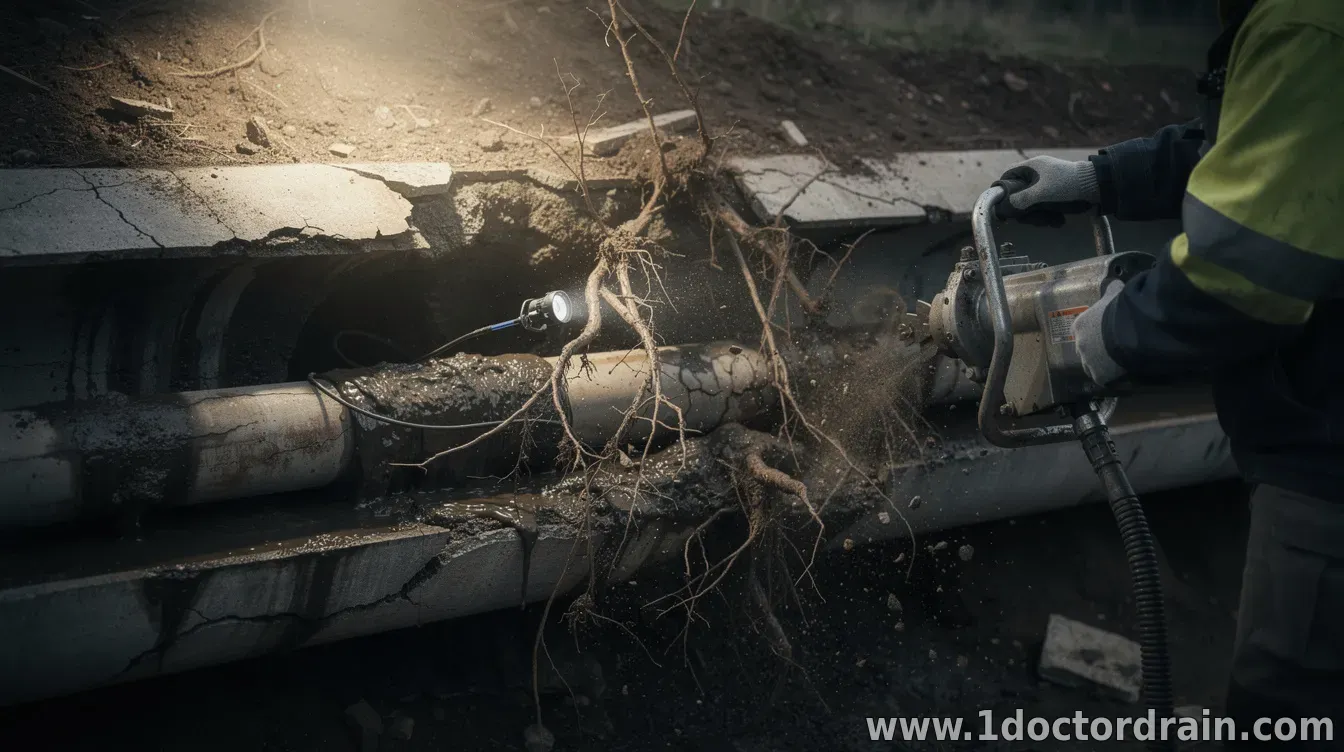
Homeowners often discover tree roots have snuck into underground pipes, a problem that can start with a slow drain and escalate to a complete backup. When roots intrude, wastewater movement becomes restricted, increasing pressure and the risk of leaks or bursts.


Doctor Drain approaches this issue with a multi-step process. First, technicians perform a camera inspection to locate the exact point of intrusion, assess size, and determine the best course of action. This diagnostic step helps avoid unnecessary digging and speeds up the repair timeline.


Rooter services are commonly used to clear the initial blockage. Modern rooters break up roots without damaging the pipe walls, providing immediate relief and improving drainage. For ongoing protection, technicians may apply specialized root inhibitors to slow future growth near the line.


When roots have damaged the pipe or created severe obstructions, trenchless repair o ... Read more »


Added: admin 03/23/2026 into the category «Doctor Drain» Views: 83 Commets: 0
More


How camera video inspection locates the exact problem spot

How camera video inspection locates the exact problem spot


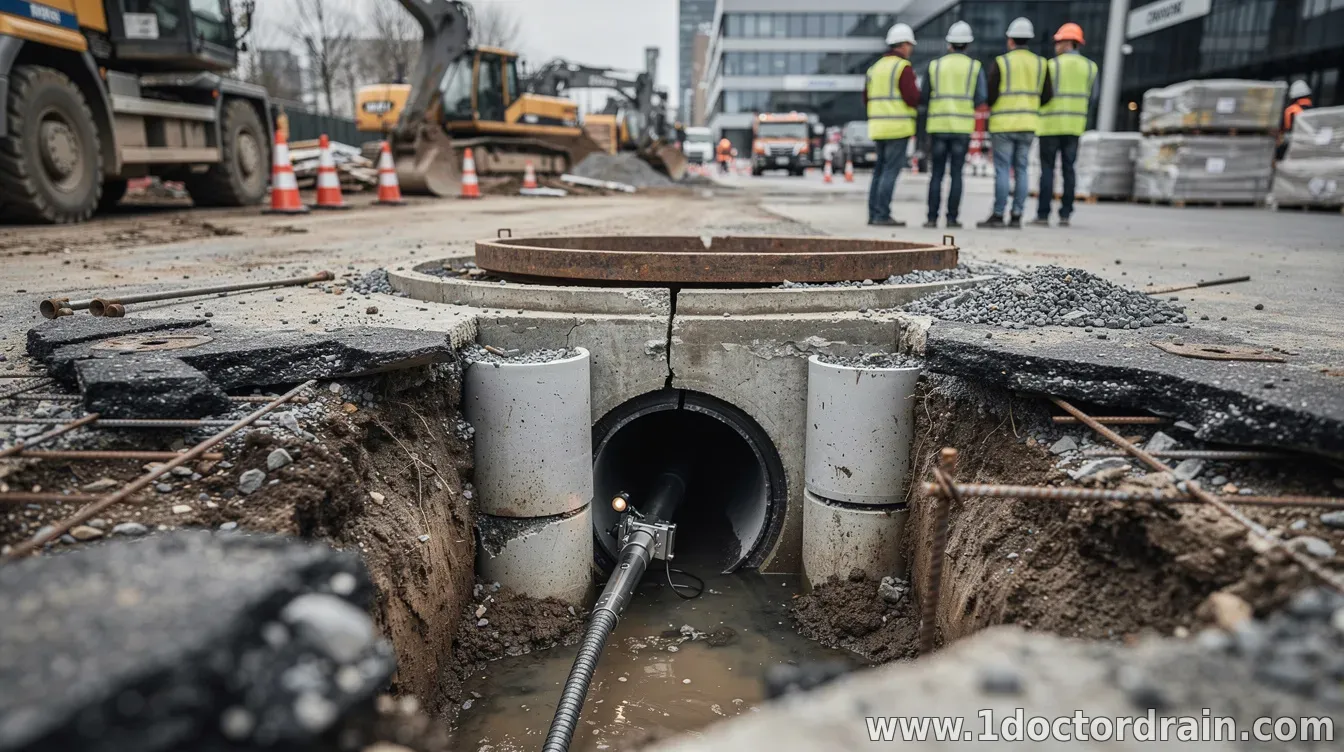
Camera video inspection, often used in plumbing, sewer, and HVAC systems, relies on a suitably maneuverable camera probe that travels through the conduit to reveal internal conditions in real time. The operator guides the camera from an access point, watching a live feed to identify anomalies such as cracks, blockages, or corrosion before any work begins.


The first step to locating an exact spot is establishing a reliable reference framework. Technicians measure the distance from the access point to the area of interest using the tether length and on-screen depth cues. Many camera heads include calibrated markings or distance counters, which translate on-screen footage into physical locations within the pipe.


In more complex systems, locating accuracy improves with specialized tools. Pipe beacons, transponder tags, or RF locators help map the camera’s position along the route. Some setups pair the camera with a locator wand or rece ... Read more »


Added: admin 03/22/2026 into the category «Doctor Drain» Views: 83 Commets: 0
More


Beware the Hair and What Else You Flush!

Beware the Hair and What Else You Flush!


The humble bathroom drain rarely gets the respect it deserves. While hair is a well-known nemesis for shower and sink pipes, it’s far from the only item that can trigger a costly clog. Homeowners often overlook items flushed down the toilet that aren’t meant to be there, and small choices add up to big problems downstream.


Experts say the most common culprits aren’t just hair. Wet wipes, facial wipes labeled as flushable, cotton swabs, dental floss, sanitary products, and even leftover hygiene products can cling to pipe walls and combine with hair to form stubborn blockages. Over time, these blockages reduce water flow, increase sewer gas risk, and can lead to expensive piping repairs.


What to flush and what to skip


Only human waste and toilet paper should go down the toilet. Even items marketed as flushable can fail to break down quickly or completely, contributing to clogs in older sewer lin ... Read more »


Added: admin 03/21/2026 into the category «Doctor Drain» Views: 93 Commets: 0
More


« 1 2 ... 17 18 19 20 21 ... 36 37 »