BLOG

Home BLOG

☎ 312-532-6435

Drain сleaning serviсe, clogged drain, sewer cleaner, IL

Home » Doctor Drain
Backwater Valve Installation: How It Protects From Sewage Backflow

Backwater Valve Installation: How It Protects From Sewage Backflow


Sewage backflow can occur when a municipal sewer line surcharges or when downstream conditions prevent wastewater from draining properly. In those situations, plumbing fixtures can become conduits for contamination, creating health and property risks. A backwater valve—also called a backflow preventer for sanitary sewer systems—helps block reverse flow and can protect basements, drains, and lower-level toilets or shower drains.


While the concept is straightforward, installation details matter. A correctly sized and properly positioned valve, paired with appropriate piping and testing, is what determines whether it will perform during a real backup event.


What a backwater valve does


Under normal use, wastewater flows away from the building through a valve body and into the sewer. When the direction reverses—such as during a backup—the valve closes, preventing sewage from traveling back in ... Read more »


Added: admin 05/14/2026 into the category «Doctor Drain» Views: 129 Commets: 0
More


Mainline Rodding vs Power Rodding: Key Differences

Mainline Rodding vs Power Rodding: Key Differences


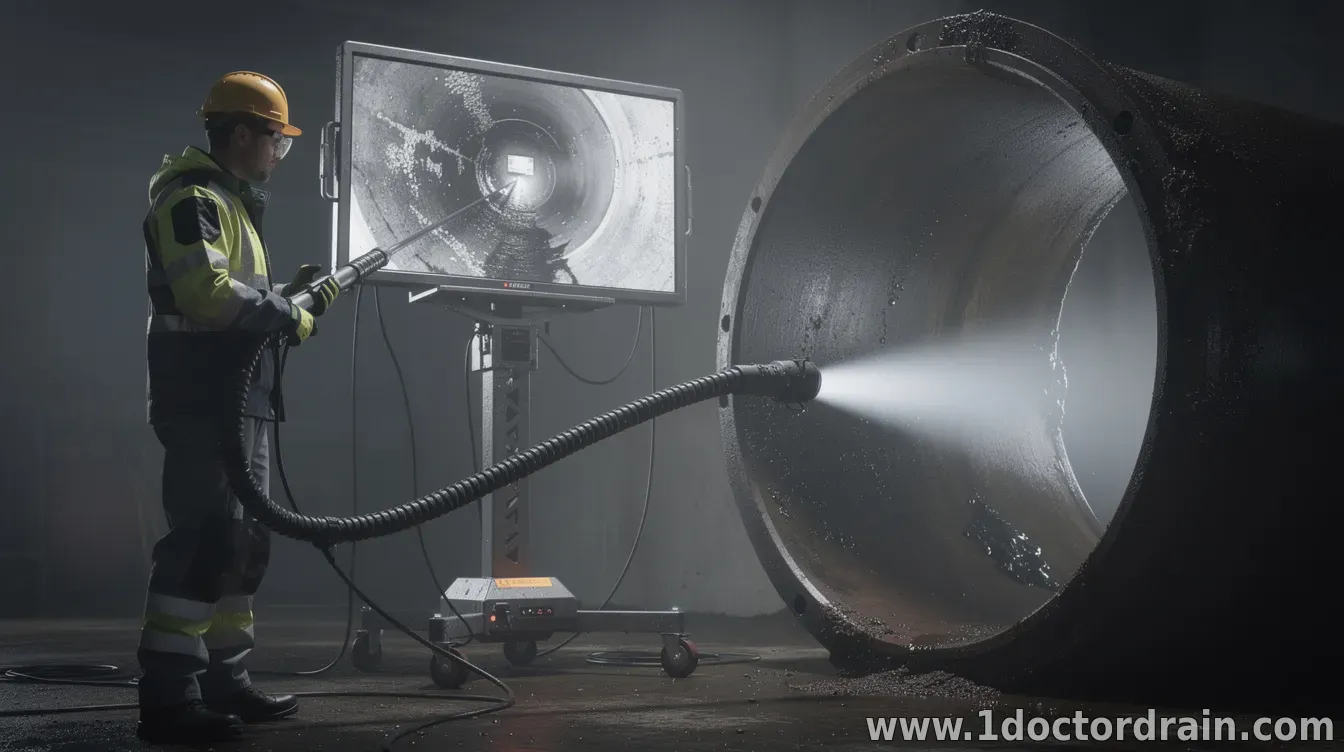
When a drain won’t flow, plumbers often turn to rodding—a method that pushes a tool through a pipe to break up or remove the blockage. Two common options are main line rodding and power rodding. While both aim to clear the line, they use different mechanics and are typically chosen for different blockage types and risk levels.


Main line rodding: manual control for typical clogs


Main line rodding is generally a manual or hand-operated approach. A rod or cable is fed into the drain and advanced through the pipe while a technician applies controlled force to break up the obstruction. Because the operator can feel resistance and adjust pressure, this method is often favored for more routine situations where the clog is not extreme.


It’s commonly used for issues like hair, soap buildup, minor grease deposits, or partial bl ... Read more »


Added: admin 05/13/2026 into the category «Doctor Drain» Views: 102 Commets: 0
More


Basement Floor Drain Cleaning: Maintenance Best Practices

Basement Floor Drain Cleaning: Maintenance Best Practices


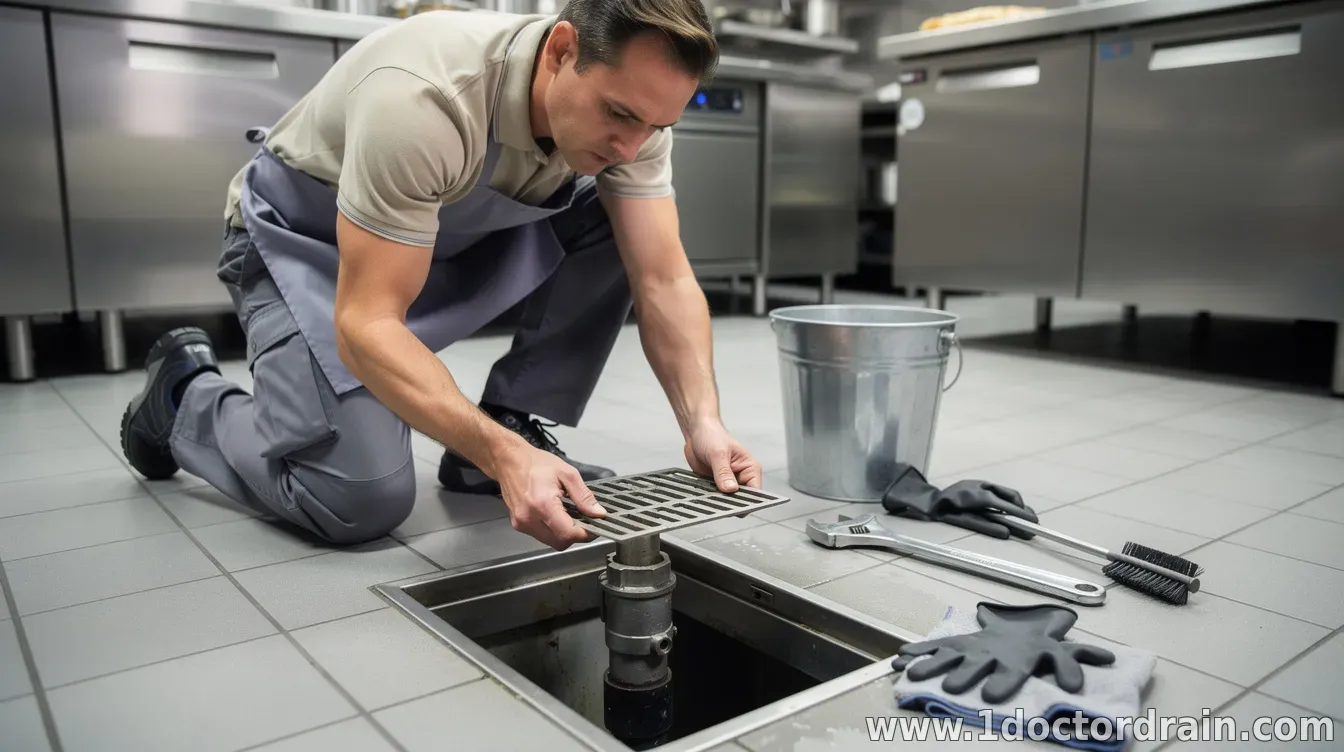
A properly maintained basement floor drain helps manage groundwater, wash-out from sump events, and occasional debris. When a floor drain clogs, the result can range from slow drainage and foul odors to water backing up during heavy rains or appliance use.


The goal of maintenance is simple: keep the drain pathway clear, prevent buildup in the trap or pipe, and ensure any connected sump/discharge route is functioning. Regular attention—especially in seasons with higher moisture—often prevents emergency cleanouts.


1) Start with safe inspection and identification


Before cleaning, confirm what you’re dealing with. Some basement floor drains connect to a dedicated sump pump system, while others tie into a main sewer line (often with a check valve). Look for visible debris near the grate, check for standing water, and note whether there’s a vented smell or gurgling when water ... Read more »


Added: admin 05/12/2026 into the category «Doctor Drain» Views: 92 Commets: 0
More


How Illinois Homeowners Can Prevent Frozen Drain Lines

How Illinois Homeowners Can Prevent Frozen Drain Lines


Illinois winters can bring long stretches of freezing temperatures, and that cold can travel into uninsulated plumbing located in basements, crawl spaces, garages, and exterior walls. While frozen supply lines are well-known, drain lines are also vulnerable—sometimes causing blockages that are difficult to diagnose until they worsen.


Preventing frozen drain lines usually comes down to reducing exposure to cold, keeping water flowing when it’s at risk, and addressing common weak points where pipes can lose heat.


Focus on the highest-risk plumbing locations


Start by identifying where drain lines run through areas that are prone to freezing in your home. In many Illinois homes, risk is higher for pipes in unheated basements, crawl spaces, attached garages, or utility rooms with gaps around foundation walls. Also pay attention to areas where pipes pass through exterior walls or floor joists—those ... Read more »


Added: admin 05/11/2026 into the category «Doctor Drain» Views: 92 Commets: 0
More


« 1 2 ... 14 15 16 17 18 ... 45 46 »