1:44 AM What Not to Flush: Items That Can Clog Your Toilet | |
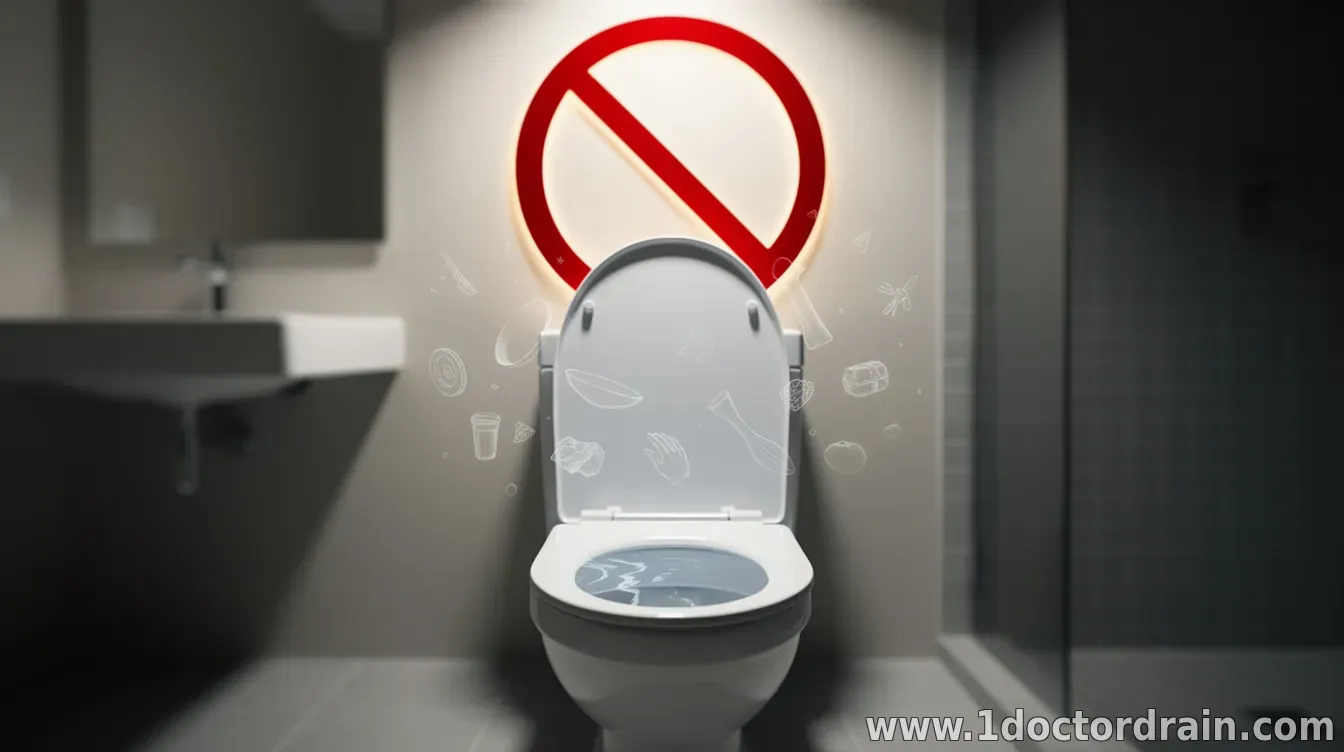
Toilets are built to handle human waste and a limited amount of toilet paper. But many everyday items don’t break down the way people expect, creating blockages in home plumbing and—sometimes—problems at wastewater facilities. Below are common items you should never flush, along with safer alternatives for disposal. 1) “Flushable” wipes and personal care products
Wet wipes, baby wipes, disinfecting wipes, and many “flushable” cleaning cloths can resist breaking apart. They may tangle with other debris, forming stubborn clogs in pipes and sewer lines. Even products marketed as flushable often perform inconsistently depending on plumbing conditions. 2) Paper towels, tissues, and non-toilet paper
Toilet paper is designed to soften and disperse more easily. Paper towels, tissues, napkins, and other household paper products can accumulate and form blockages—especially when multiple flushes are involved. 3) Feminine hygiene products
Pads and tampons should go in the trash. These items can expand or snag in pipes and may cause collection-system or treatment problems. If your product comes with disposal instructions, follow them closely. 4) Medications and other chemicals
Prescription and over-the-counter drugs, as well as chemicals (including oil, paint, solvents, and antifreeze), should not be flushed. Many substances don’t disappear in wastewater and can contaminate waterways. Use local take-back programs or disposal guidance instead. 5) Grease, food waste, and “stuff that won’t flush”
Flushing cooking grease or food scraps can lead to buildup that narrows pipes over time. Grease can solidify as it cools, sticking to plumbing surfaces, while solids can accumulate and trigger backups. 6) Cat litter, hair, and other solids
Cat litter (including many “clumping” types), hair, dental floss, and other solids are common causes of toilet and sewer issues. Even if they appear small, they can gather and create blockages.
What to do instead: When in doubt, treat items as trash (unless the package or local guidance explicitly instructs otherwise). If you’re managing a plumbing clog, avoid repeated flushing—stop and address the issue to prevent deeper backups.
Keeping toilets to toilet paper and human waste helps protect your plumbing, reduces the risk of overflows, and can lower the chance of costly repairs.
| |
|
| |
CALL ☎ Subscribe 👆
Next & Previous posts
CONTACT US 📩
Submit the form, we'll contact you as soon as possible!