1:09 AM Commercial Drain Cleaning: Key Differences From Residential | |
Commercial properties rely on plumbing that must perform every day, often for multiple tenants, high traffic, or heavy-use operations. That makes drain cleaning more than a routine maintenance task—it becomes a service plan designed to prevent operational disruption, protect revenue, and maintain compliance standards. Higher load, faster fouling, and more severe blockages
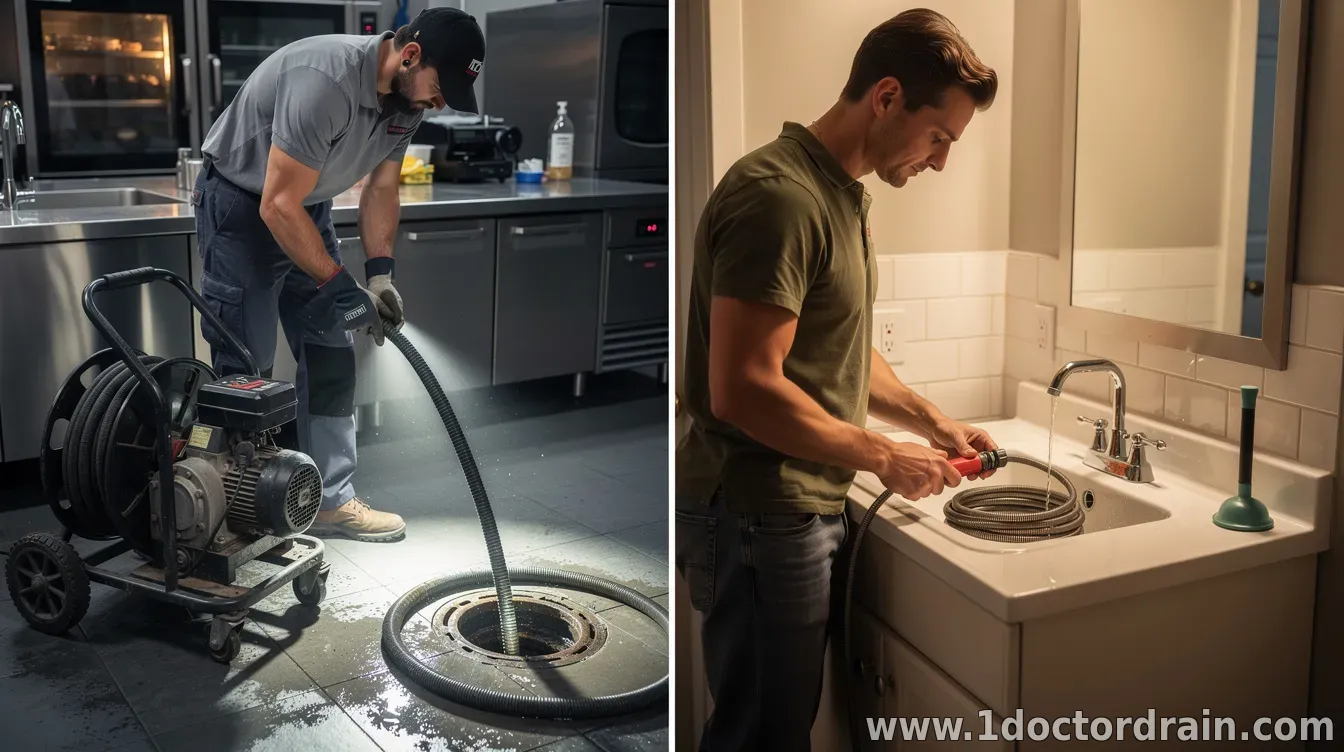
Residential drains typically see periodic use patterns, while commercial drains can be subjected to consistent volume and unusual waste streams depending on the business. Restaurants may generate grease and food solids, warehouses can experience debris and sediment buildup, and facilities like gyms or salons may contribute hair, soap residue, and other organic matter.
Because the system load is higher and turnover can be constant, commercial lines tend to clog more quickly and can reach problematic points sooner—sometimes requiring more aggressive cleaning and more frequent scheduling than many homes need. Different tools and techniques for larger, complex systems
Commercial drain lines are often larger in diameter, longer in run, and routed through multiple floors or connected fixtures. They may also include grease traps, interceptors, floor drains, backflow prevention devices, cleanouts, and building-wide sewer connections—each affecting how blockages form and how technicians must diagnose them.
As a result, commercial drain cleaning commonly includes:
This combination helps reduce repeat call-outs by addressing the root cause rather than simply removing an active blockage. Downtime risk changes the cleaning approach
For many businesses, clogged drains translate directly into operational loss—shut kitchens, closed restrooms, health and safety concerns, and customer impact. Commercial drain cleaning is therefore planned with urgency and continuity in mind, using scheduling strategies that minimize disruption.
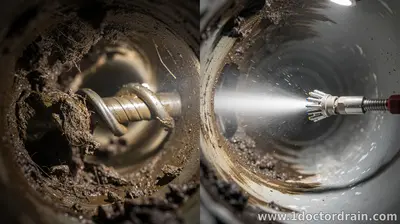
When an issue is discovered, commercial service may also prioritize faster diagnostic steps (like video inspection) to determine whether the problem is localized or indicative of a broader pipe condition—helping property managers make quicker, more informed decisions. Compliance, documentation, and maintenance requirements
Commercial facilities are often subject to more formal maintenance expectations. Depending on the property type and local regulations, owners may need records showing inspections, cleaning dates, and evidence that grease traps or other systems are being serviced on schedule.
That documentation can be crucial for internal audits, tenant requirements, insurance reviews, or regulatory oversight. Residential customers may benefit from similar best practices, but the commercial standard is typically more formal due to the scale and risk profile of the business. Safety and risk management are more tightly controlled
Commercial settings frequently involve occupied spaces, employees, and customers—meaning technicians must manage access, sanitation, and safe containment procedures. Cleaning methods can also vary based on how waste is handled in the building and the condition of existing piping.
In residential work, the tolerance for experimentation may be higher because the system footprint is smaller and disruption is usually less costly. In commercial environments, every step needs to be coordinated to protect people, property, and ongoing operations.
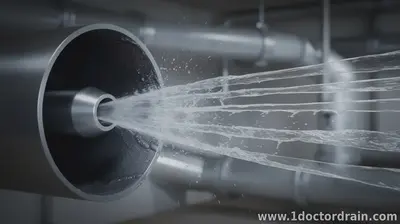
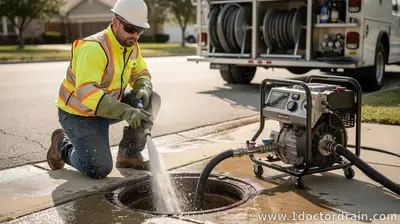
Commercial drain cleaning is different because the stakes are different: heavier usage, complex plumbing networks, tighter schedules, and higher compliance expectations. The right service approach blends diagnosis (often via video inspection), appropriate equipment (such as hydro-jetting where suitable), and verified results that keep businesses running.
For property managers and owners, the best outcome usually comes from prevention—developing a maintenance plan that matches the business’s waste profile and usage patterns, rather than waiting for a blockage to become an emergency.
| |
|
| |
CALL ☎ Subscribe 👆
Next & Previous posts
Related materials:
CONTACT US 📩
Submit the form, we'll contact you as soon as possible!