1:26 AM Preventing Tenant Complaints: Proactive Drain Care | |
Drain issues rarely start as emergencies. More often, they begin as slow changes—faint gurgling, recurring odors, slow water in sinks, or minor backups that tenants learn to tolerate until they can’t. For landlords, the most effective approach is proactive drain care: regular monitoring, predictable maintenance, and fast follow-up when warning signs appear.
Beyond comfort, drains affect health and property integrity. Standing water and buildup can lead to unpleasant smells, plumbing wear, and, in some cases, conditions that require urgent intervention. A proactive plan reduces the likelihood of tenant complaints while helping you maintain plumbing performance across units. Watch for early warning signs
Tenants are often the first to notice changes. Encourage them to report symptoms promptly and make it easy to submit maintenance requests. Common early indicators include water draining more slowly, recurring clogs in the same fixture, gurgling sounds when other sinks or toilets are used, and persistent bad odors around bathrooms or kitchen drains.
To turn reports into prevention, track patterns by unit and fixture. If the same sink drains slowly or the same toilet occasionally backs up, it’s a signal for targeted inspection rather than repeated “fixes” after complaints arrive. Use a routine inspection and preventive maintenance schedule
Proactive care works best when it’s planned. Create a recurring schedule for inspections and basic maintenance across properties—then adapt frequency based on building age, tenant turnover, and historical issues. For example, older buildings or high-traffic kitchens may require more frequent checks.
Routine tasks can include verifying that cleanouts are accessible, checking for visible leaks or moisture around drain lines, confirming proper venting where accessible, and reviewing any recurring blockage locations. When you maintain the system before it fails, tenants are less likely to experience sudden disruptions. Prevent buildup where it starts
Many drain problems begin with preventable buildup: grease and food residue in kitchen lines, hair and soap scum in bathroom traps, and debris accumulation around fixtures. While landlords can’t control tenant behavior completely, you can reduce risk with clear guidance and practical measures.
Consider posting short, tenant-friendly reminders near kitchens and bathrooms—focused on what not to flush or pour—and ensure maintenance guidance is included in lease onboarding. For shared facilities, schedule periodic checks more frequently to account for higher usage. Know when to bring in professionals
DIY efforts can help with minor issues, but recurring backups or persistent odors often require professional diagnosis. When symptoms repeat, a licensed plumbing specialist can identify root causes such as partial blockages, venting problems, or deteriorating lines.
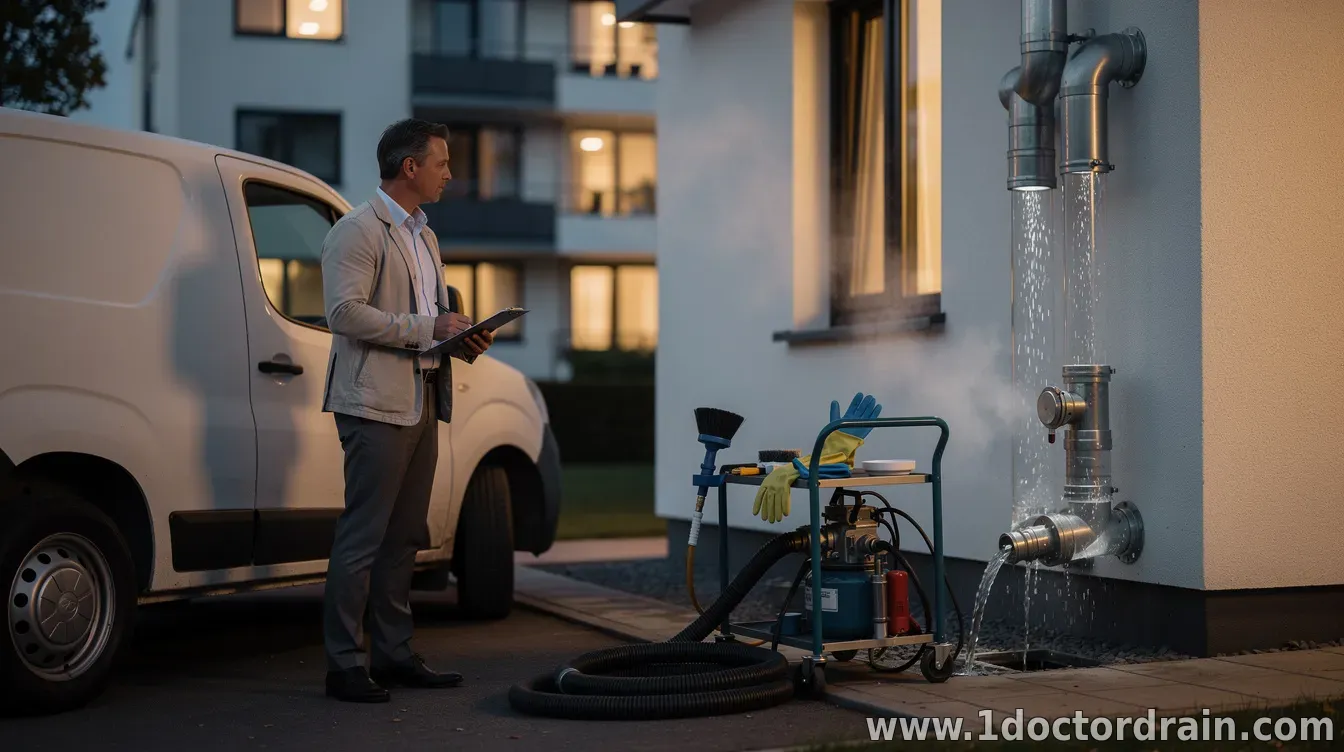
Professional drain services may include hydro-jetting to remove buildup and camera inspections to pinpoint the location and severity of blockages or damage. These interventions can be more cost-effective than repeated emergency callouts, especially when performed on a planned schedule. Respond faster by tightening the maintenance workflow
Preventing complaints isn’t only about maintenance—it’s also about how you respond. Reduce friction by standardizing the triage process: document the report, confirm which fixture is affected, gather any timing details (e.g., “slow drains started last week”), and dispatch the appropriate service quickly.
Set expectations with tenants about response times and next steps. When tenants see that issues are handled systematically, complaints are less likely to escalate and more likely to resolve before they become formal disputes.
Proactive drain care helps landlords stay ahead of disruptions, protecting both tenant satisfaction and the long-term condition of the building. By watching for early warning signs, maintaining a consistent schedule, reducing preventable buildup, and using professional services when patterns emerge, you can transform drain maintenance from an emergency response into a predictable property strategy.
| |
|
| |
CALL ☎ Subscribe 👆
Next & Previous posts
CONTACT US 📩
Submit the form, we'll contact you as soon as possible!