3:51 AM How camera video inspection locates the exact problem spot | |
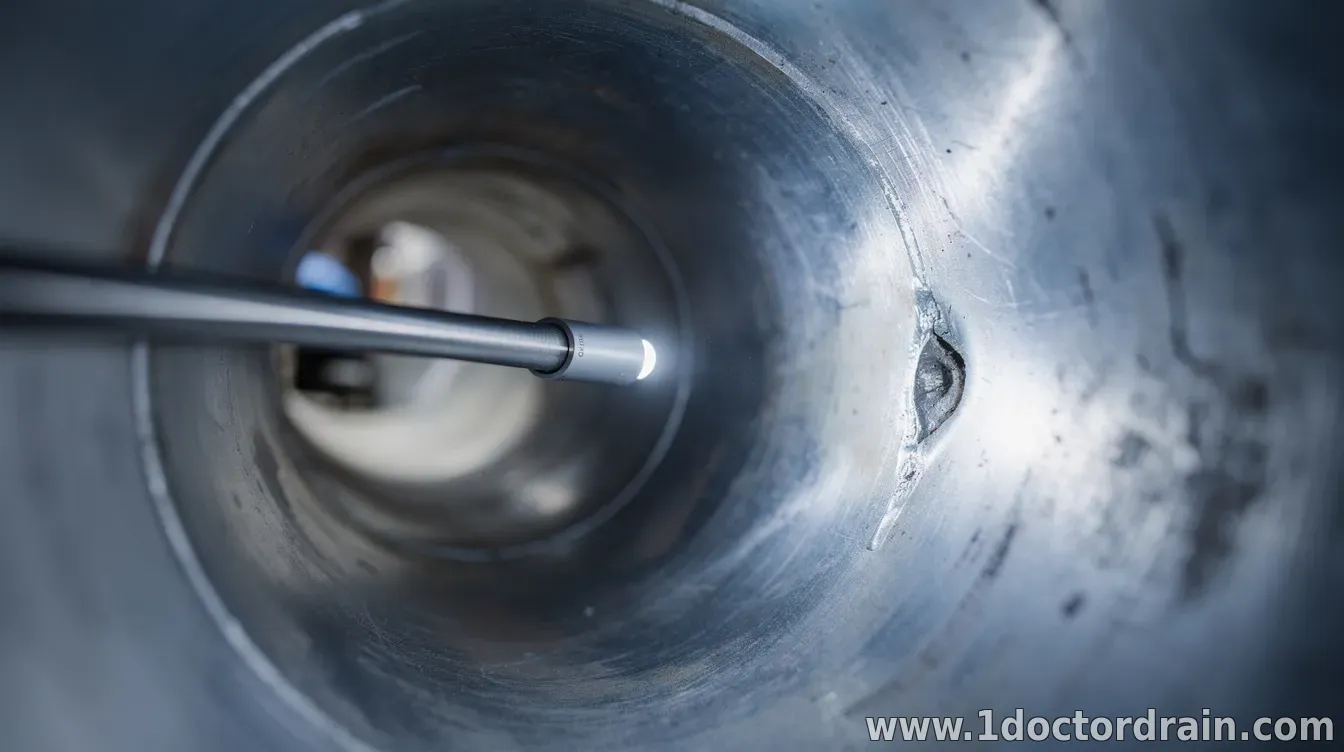
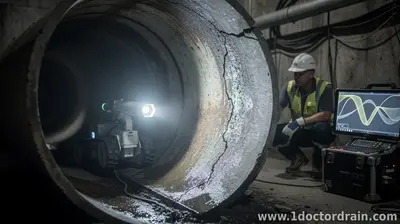
Camera video inspection, often used in plumbing, sewer, and HVAC systems, relies on a suitably maneuverable camera probe that travels through the conduit to reveal internal conditions in real time. The operator guides the camera from an access point, watching a live feed to identify anomalies such as cracks, blockages, or corrosion before any work begins.
The first step to locating an exact spot is establishing a reliable reference framework. Technicians measure the distance from the access point to the area of interest using the tether length and on-screen depth cues. Many camera heads include calibrated markings or distance counters, which translate on-screen footage into physical locations within the pipe.
In more complex systems, locating accuracy improves with specialized tools. Pipe beacons, transponder tags, or RF locators help map the camera’s position along the route. Some setups pair the camera with a locator wand or receiver that detects signals from embedded beacons, giving a precise distance measurement even in long or winding sections.
Lighting and image clarity are critical for accurate spot identification. High-intensity LEDs illuminate the interior, while high-definition sensors capture details such as hairline cracks, mineral buildup, or elbow joints. When an issue is seen, technicians note anchor points such as joints, tees, or changes in pipe diameter to corroborate the exact location.
After locating the spot, technicians often create a stamped report that includes: the estimated distance from the access point, the orientation of the camera, visible features at the site, and recommended repair steps. Some teams also capture still images or short video clips at the pinpointed location for reference during remediation.
Common applications include sewer line scope for residential and commercial properties, condensate drain checks in HVAC systems, and industrial piping inspections where precise pinpointing minimizes invasive work and downtime. Proper access, clean lines, and careful handling of the camera head are essential to ensure accurate localization and avoid misinterpretation of findings.
| |
|
| |
CALL ☎ Subscribe 👆
Next & Previous posts
Related materials:
CONTACT US 📩
Submit the form, we'll contact you as soon as possible!