2:30 AM Beware the Hair and What Else You Flush! | |
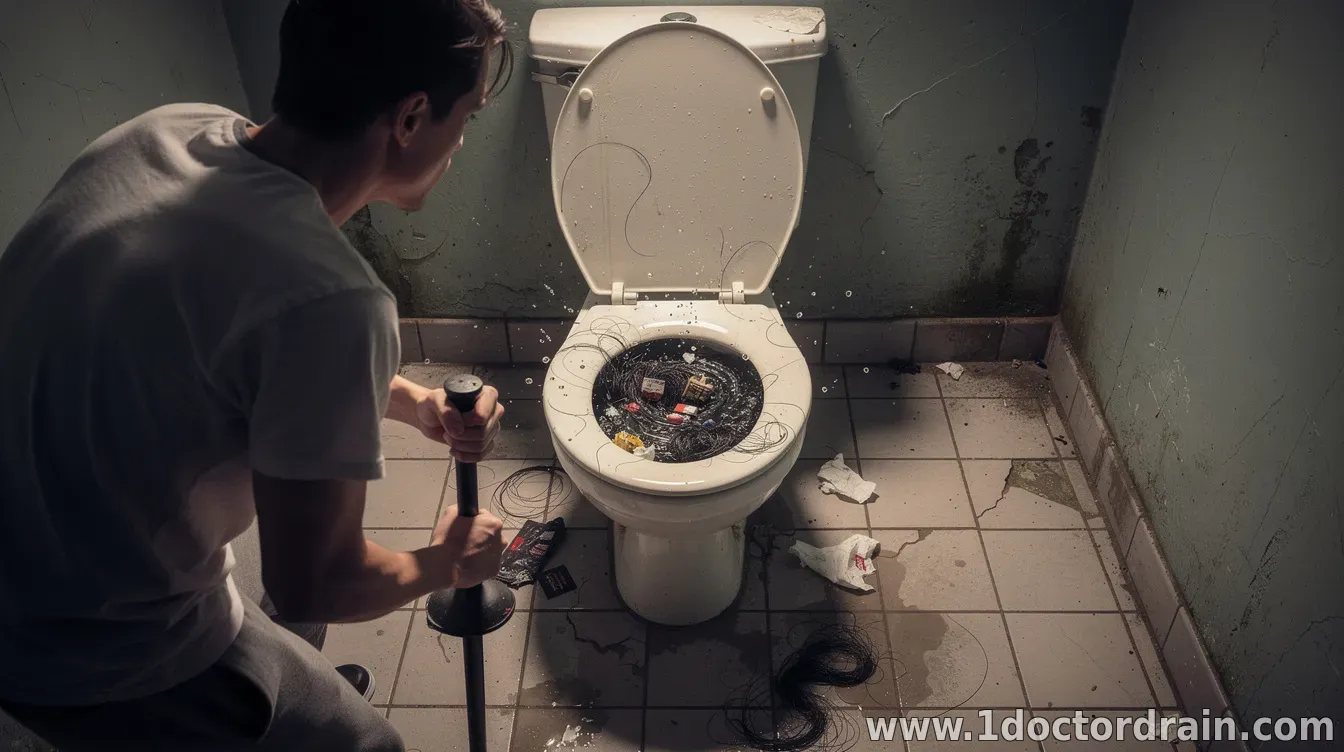
The humble bathroom drain rarely gets the respect it deserves. While hair is a well-known nemesis for shower and sink pipes, it’s far from the only item that can trigger a costly clog. Homeowners often overlook items flushed down the toilet that aren’t meant to be there, and small choices add up to big problems downstream.
Experts say the most common culprits aren’t just hair. Wet wipes, facial wipes labeled as flushable, cotton swabs, dental floss, sanitary products, and even leftover hygiene products can cling to pipe walls and combine with hair to form stubborn blockages. Over time, these blockages reduce water flow, increase sewer gas risk, and can lead to expensive piping repairs. What to flush and what to skip
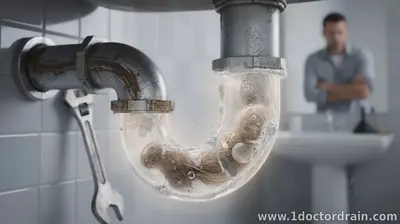
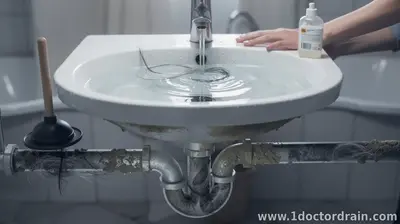
Only human waste and toilet paper should go down the toilet. Even items marketed as flushable can fail to break down quickly or completely, contributing to clogs in older sewer lines. In sinks and showers, use a screen to catch hair and solids, and dispose of the debris in the trash. Regularly cleaning trap and drain components also helps keep drains clear.
There are simple habits that dramatically reduce clog risk: brush or comb hair into a waste container, run hot water with dish soap down the drain after using products that shed fibers, and avoid pouring grease, oils, or solvent-based cleaners down any drain. If a clog forms, avoid harsh chemical cleaners; instead, try mechanical methods or call a licensed plumber for a proper inspection.
Beyond household actions, it’s worth noting that sewer lines extend beyond the home. A local outage or a blocked main can back up into sinks and toilets even when you’re careful. Regular home maintenance, a drain-cleaning schedule, and a quick professional checkup can help mitigate surprises, saving time and money in the long run.
quotes from plumbing professionals highlight the practical mindset: “Think of your pipes as a one-way street—only what’s meant to pass should pass,” says a licensed plumber. “If you’re unsure, don’t flush it. When in doubt, trash it.”
In sum, the best defense against clogs is prevention: screen drains, avoid flushing non-toilet items, and practice regular maintenance. A small habit change today can avert a costly repair tomorrow.
| |
|
| |
CALL ☎ Subscribe 👆
Next & Previous posts
Related materials:

CONTACT US 📩
Submit the form, we'll contact you as soon as possible!