BLOG

Home BLOG

☎ 312-532-6435

Drain сleaning serviсe, clogged drain, sewer cleaner, IL

Home » Drain cleaning
Basement Flood Guide: Immediate steps and prevention

Basement Flood Guide: Immediate steps and prevention


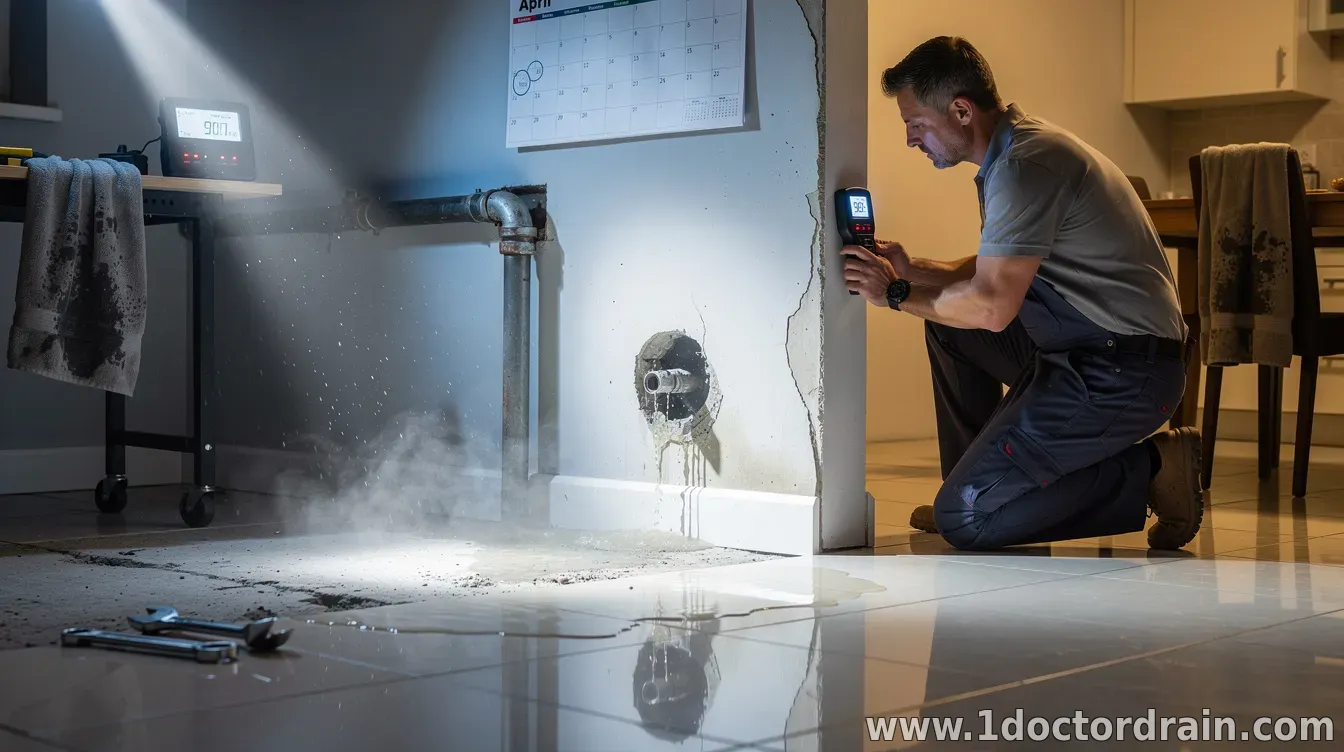
Basement floods can happen from heavy rain, sewer backups, or sump pump failures. The first priority is safety: avoid electrical hazards, evacuate if necessary, and call for professional help when the situation exceeds personal capability.


Immediate safety actions (within minutes)


If it is safe to do so, turn off electricity at the main breaker to prevent shocks. Do not touch electrical devices in standing water. If you can access the sump pump or drainage system without stepping into water above your ankles, check for clogs and restore function if possible. Wear protective gear—gloves, boots, and a mask—to limit exposure to contaminated water.


Move valuables and important documents to higher ground. Photograph the scene for insurance purposes and document the extent of the damage before making any changes.


Post-flood cleanup and restoration (hours to days)


... Read more »


Added: admin 03/09/2026 into the category «Drain cleaning» Views: 146 Commets: 0
More


Can a clogged main line cause a flooded basement? Causes and prevention

Can a clogged main line cause a flooded basement? Causes and prevention


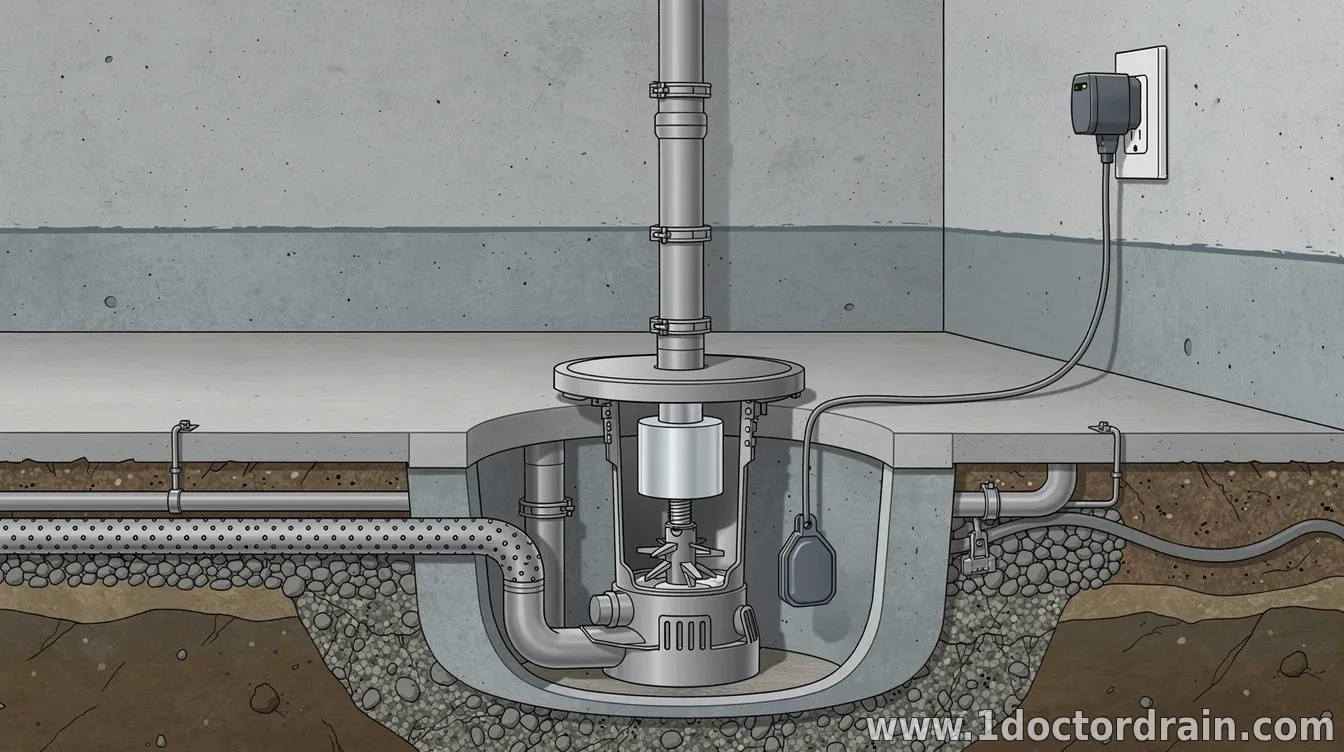
The short answer is yes: a clogged main line can indeed cause a flooded basement. When the primary sewer or main drainage line becomes blocked, wastewater has nowhere to go. Depending on the plumbing layout of a home, pressure can force water up through floor drains or toilets, or seep through cracks in the foundation, especially during heavy rainfall when groundwater adds to the pressure.


What typically causes a main-line blockage? In older homes, tree roots can intrude into sewer pipes, while newer systems may clog from grease, paper, or mineral buildup. A blockage downstream of your cleanout or vent stack often manifests as slow drains in multiple fixtures, gurgling sounds, and sewage odors before a full backup occurs.


Warning signs include:

  • Multiple drains backing up at once
  • Sewage odors from drains or basement floor drains
  • Slow drainage across sinks, toilets, and tubs
  • Water or waste comin ... Read more »
Added: admin 03/09/2026 into the category «Drain cleaning» Views: 170 Commets: 0
More


How Often Should You Schedule Main Line Rodding?

How Often Should You Schedule Main Line Rodding?


Maintaining a clear main sewer line is essential for preventing backups and protecting your home's plumbing. The frequency of main line rodding depends on several factors, including your home’s age, tree roots in the area, past clog history, and the local sewer system conditions. In general, many homeowners schedule preventive rodding every 3–5 years, but adjustments may be necessary based on your specific circumstances.


Key factors that influence how often you should rod the main line include:

  • Past blockages or slow drains in multiple fixtures, which suggest a developing mainline issue.
  • Nearby mature trees with aggressive roots that can intrude into sewer pipes.
  • Pipe material and age; older pipes (like clay or old cast iron) are more prone to root intrusion and buildup.
  • Changes in sewage flow or unusual odors, gurgling, or frequent backups in low-lying fixtures.


If you ... Read more »


Added: admin 03/08/2026 into the category «Drain cleaning» Views: 140 Commets: 0
More


Causes of a Clogged Drain and Easy Prevention Tips

Causes of a Clogged Drain and Easy Prevention Tips


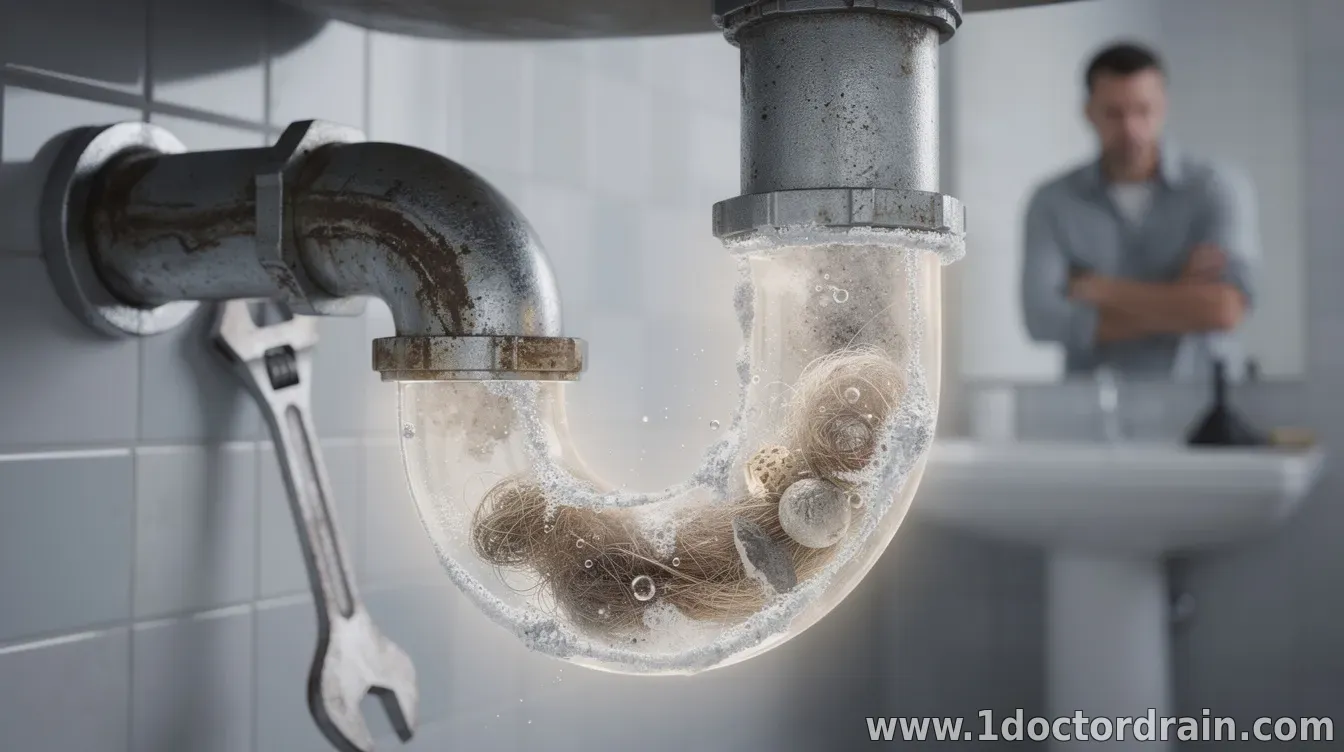
Clogged drains happen when materials accumulate faster than your pipes can handle them. The most common culprits are hair and soap in bathroom sinks and shower drains, along with grease and cooking fats in kitchen lines. Over time, these materials form a sticky, solid mass that narrows the pipe and slows drainage.


Hair and soap scum are relentless buildup culprits in bathroom drains. Hair strands trap soap scum and mineral deposits, creating a stubborn plug. In kitchens, grease mixes with food scraps and starchy residues, coating the inside of pipes and catching other debris.


Mineral buildup and other debris from hard water can also cause gradual narrowing. Small particles like coffee grounds, fruit peels, baby wipes, and wipes marketed as “flushable” can contribute to clogs, especially when flushed or disposed of in sinks.


Prevention: practical steps to kee ... Read more »

Added: admin 03/08/2026 into the category «Drain cleaning» Views: 149 Commets: 0
More


« 1 2 ... 40 41 42 43 44 ... 54 55 »