9:48 AM What a Sewer Camera Inspection Actually Shows | |
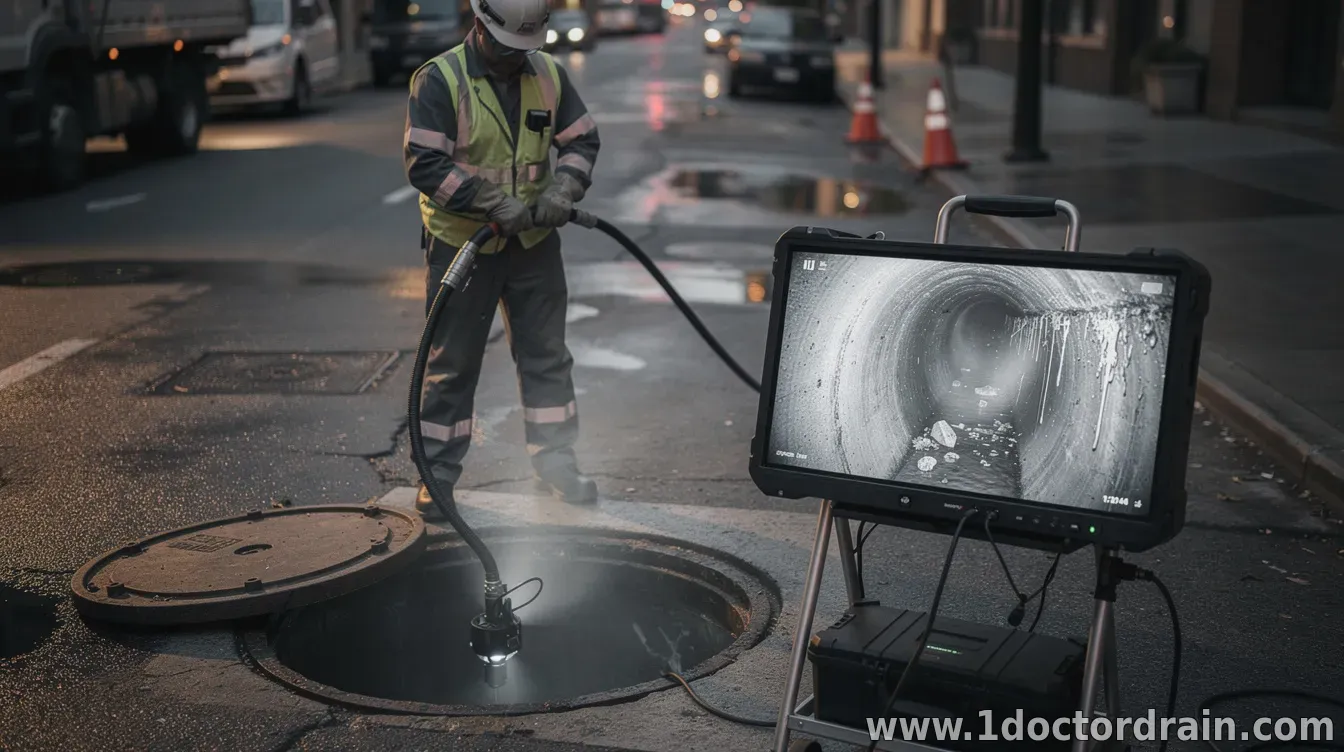
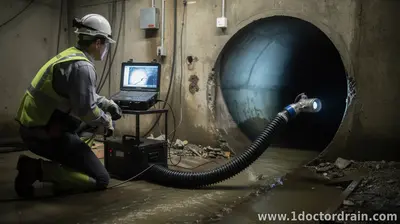
A sewer camera inspection is designed to answer a practical question: what’s happening inside your underground sewer or drain lines. A technician inserts a remotely operated camera through an access point, drives it along the pipe, and records video and measurements so you can see the condition of the system rather than guessing.
In most cases, the inspection is performed when there are recurring backups, foul odors, recurring clogs, or when a property transfer or renovation requires confirmation of pipe health. The resulting report typically combines footage, location/offset data, and key observations that support next-step decisions—whether that’s cleaning, repair, or monitoring. What the camera footage can show clearly
While exact visuals depend on pipe material, lighting, and how far the camera can travel, camera systems commonly reveal the state of the pipe interior. Video usually shows the pipe wall condition, the presence of deposits, and any changes in flow behavior or obstructions. Many reports also include still frames or annotated segments tied to distance markers.
Among the most frequent findings are blockages and buildup. These can include grease, silt, scale, roots, construction debris, or sediment that reduces flow capacity. Because the camera captures where the blockage occurs, it can help determine whether the issue is localized or widespread. Common structural and damage indicators
Beyond clogs, sewer camera inspections often identify signs of pipe deterioration. Cracks, fractures, misaligned joints, holes, or collapsed sections can indicate infiltration problems, structural failure risk, or long-term wear. In many systems, joint defects stand out because they create gaps where material can collect or where soil and groundwater can enter.
In the footage, damage may appear as missing or displaced sections, distorted pipe shape, or areas where the camera’s view is partially obstructed by material trapped at a specific location. Technicians may note the approximate severity and whether the defect appears active (e.g., inflow of water, ongoing intrusion) or more stable.
Another key category is corrosion and internal scaling. Depending on the pipe type and wastewater characteristics, the camera may show thinning, rough surfaces, pitting, or heavy buildup that contributes to future restrictions. These observations can influence whether a trenchless repair, liner, or replacement is the most appropriate long-term solution. Roots, infiltration, and water flow patterns
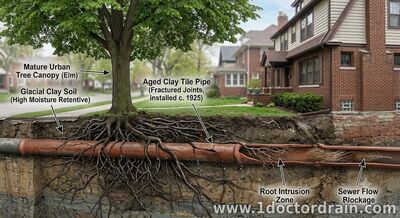
Tree root intrusion is one of the most recognizable issues on sewer camera footage. Roots can invade through joints or cracks, partially or fully blocking flow. The video can show the location, how far roots extend, and whether they’re compressing the pipe or simply accumulating debris around a point of intrusion.
Camera inspections can also help document infiltration—water entering the sewer line from surrounding soil—or conditions that produce abnormal flow. Technicians may note evidence such as moisture patterns along the pipe wall, standing water, or irregular discharge behavior. These findings matter because infiltration can increase treatment costs, contribute to system overload during wet weather, and accelerate deterioration.
Because sewer systems can be affected by recent rainfall, tide cycles, or prior usage, some teams recommend coordinating the inspection time with site conditions. The goal is to capture representative footage that aligns with when problems typically occur. How to read the inspection report
Most inspection reports translate video into actionable details. You’ll usually see a pipe segment map or distance-based progress, a summary of findings, and recommended next steps. Many reports also indicate whether a problem appears to be a blockage, a structural defect, or a combination of both.
When reviewing the video, it can help to focus on (1) where the issue occurs (distance/location), (2) what type of problem is visible (roots, buildup, cracks, collapsed sections), and (3) whether it looks like an isolated incident or a broader pattern. A good report clearly links observations to the footage so you can verify each concern.
Importantly, camera inspection is diagnostic—not a repair. It typically answers what’s there and where it is. The remediation plan may still depend on additional factors such as pipe material, access constraints, local codes, and the practicality of cleaning versus lining or replacement.
If you’re dealing with persistent backups, recurring clogs, or suspected damage, a sewer camera inspection can replace speculation with documented evidence. By showing obstructions, damage, and potential infiltration indicators, the footage helps homeowners and property managers make faster, more informed decisions about the right repair path.
| |
|
| |
CALL ☎ Subscribe 👆
Next & Previous posts
Related materials:
CONTACT US 📩
Submit the form, we'll contact you as soon as possible!