10:41 AM Slow Drains Throughout the House vs. One Sink: What’s the Difference? | |
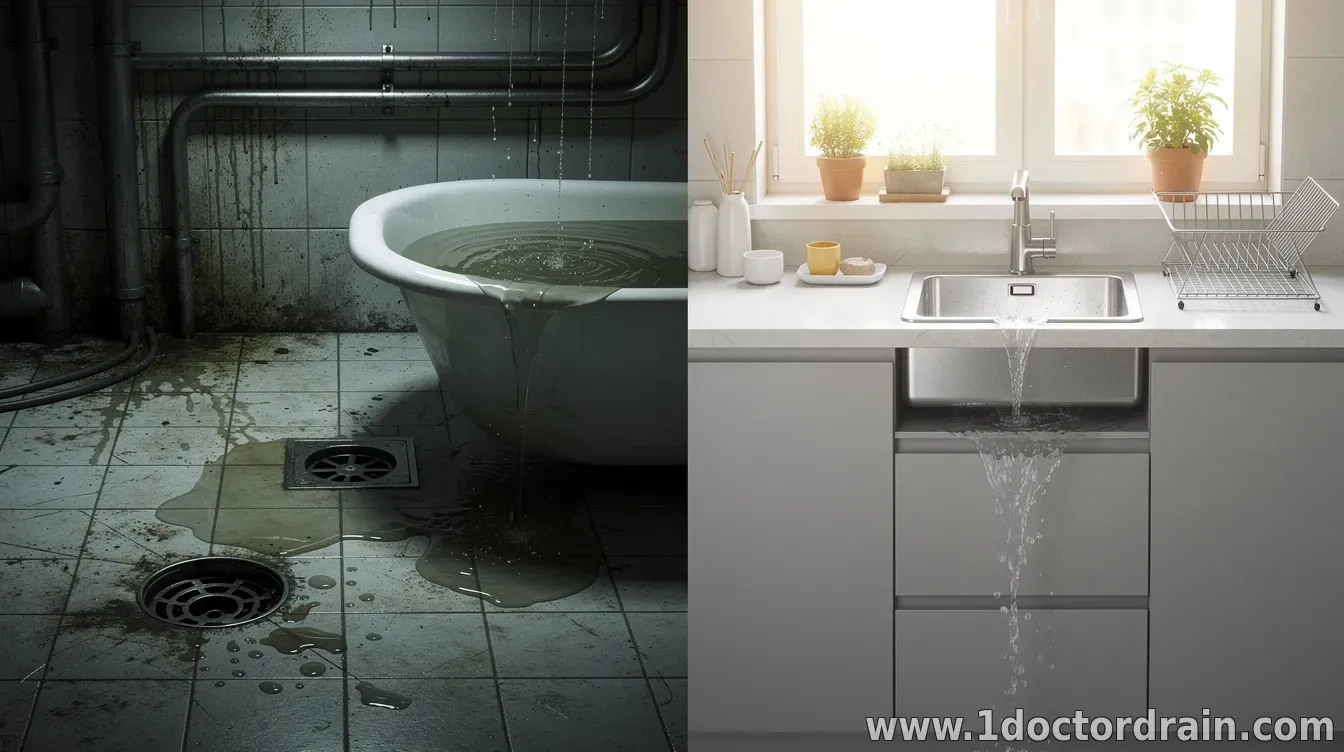
Slow drains can indicate different underlying problems depending on whether the issue affects one sink or multiple fixtures across the home. In a single sink, the culprit is often a localized clog, hair and grease buildup, or a blocked P-trap. In contrast, drains that are slow throughout the house suggest a broader problem such as sewer line backups, venting issues, or a problem with the main drainage stack. Lead: why scope matters
Identifying whether the slowdown is isolated or widespread helps determine the urgency and the likely fixes. A single sink issue is typically manageable with consumer methods or targeted cleaning, while widespread slow drainage may require professional inspection to prevent sewage backups or structural damage. Common causes for a single sink
For a lone sink, inspect the drain for hair, soap scum, or food particles. The P-trap (the U-shaped pipe) can accumulate gunk, reducing flow. A slow kitchen or bathroom sink may also result from a waste line clog that’s not yet affecting other fixtures.
Flushing the drain with hot water, using a plunger, or a simple enzymatic cleaner can sometimes clear the clog. If the problem persists, removing and cleaning the P-trap or snake-calling a plumber may be necessary. Common causes for multiple slow drains
When several fixtures drain slowly, the issue is often downstream: the main sewer line, a clogged vent stack, or a problem with the municipal system. Shared drains rely on proper venting to equalize air pressure; a blocked vent can create suction that slows all drains.
Other possibilities include tree roots invading the main sewer line, a collapsed line, or heavy rains causing overload on the sewer system. These scenarios typically require professional assessment and sometimes advanced equipment. What to check first
Before calling a pro, try these steps: run hot water after meals, use a plunger on affected fixtures, check and clean traps, and avoid chemical drain cleaners that can damage pipes. If several fixtures are slow, stop using water and schedule a professional inspection promptly to prevent backups.
Documentation of symptoms—when the slowdowns occur, which fixtures are affected, and weather or seasonal patterns—helps plumbers diagnose more quickly.
Next steps and prevention
Regular maintenance, such as periodic enzyme-based cleaners, careful disposal of fats and oils, and professional camera inspections of the sewer line every few years, can prevent many issues. If you notice foul odors, gurgling sounds, or standing water beyond the P-trap, treat it as a warning sign and seek evaluation.
| |
|
| |
CALL ☎ Subscribe 👆
Next & Previous posts
Related materials:


CONTACT US 📩
Submit the form, we'll contact you as soon as possible!