1:44 AM Power Rodding vs Hydro Jetting: Which Works Best? | |
When a drain backs up, homeowners often face a key decision: power rodding or hydro jetting. Both methods can restore flow, but they’re designed for different situations—especially when it comes to the type of blockage and the condition of your pipes. What power rodding does
Power rodding uses a rotating or pushing cable (often with specialized heads) to break apart and pull back material causing a blockage. It’s commonly used for clogs like compacted hair, small objects, or localized stoppages where mechanical force is most effective.
Because it targets the obstruction directly, power rodding can be a practical, faster option for many routine clogs. However, it may not fully remove stubborn scale, grease film, or long-term buildup along the pipe walls. How hydro jetting clears a line
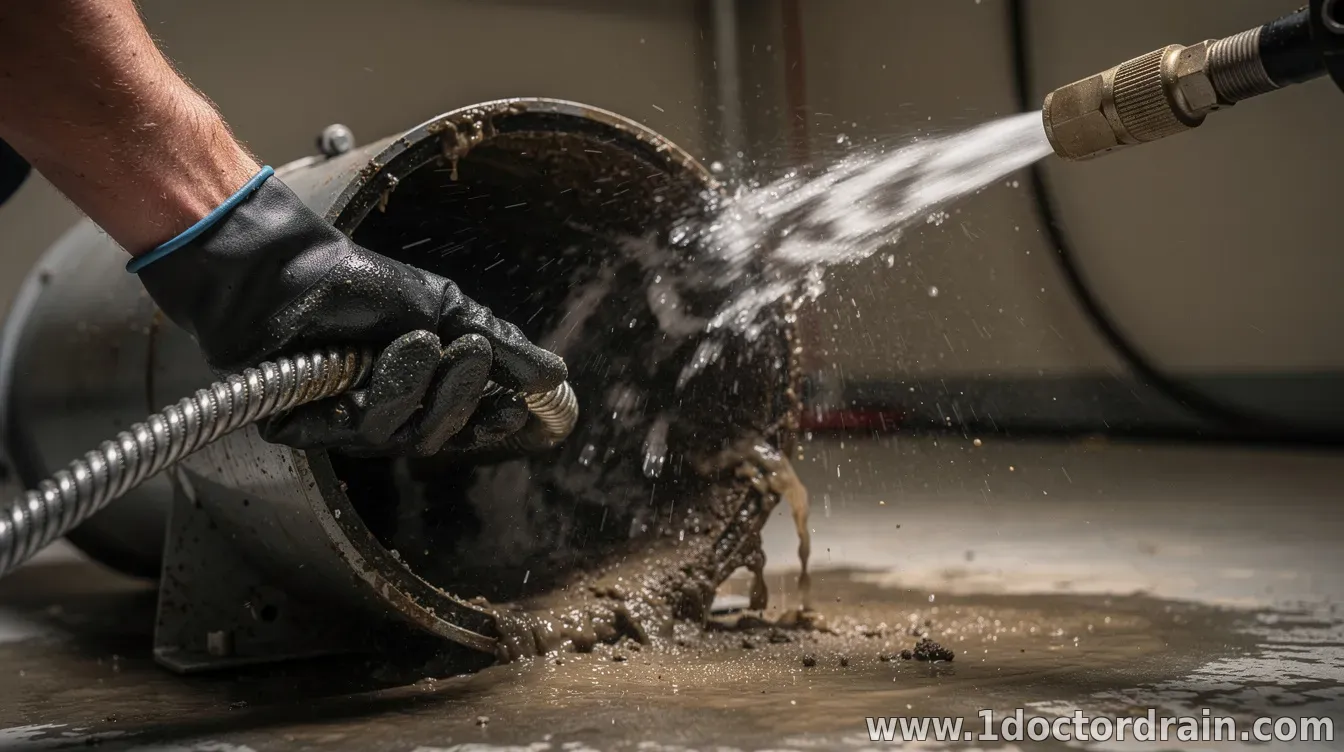
Hydro jetting uses high-pressure water to scour the inside of pipes. Instead of pushing through the problem area only, it actively flushes debris and can wash away accumulated deposits such as grease, mineral buildup, and biofilm—when the system can handle the pressure.
Hydro jetting is often chosen for more extensive problems or for preventive maintenance after repeated backups. It can be more thorough than mechanical clearing, though it may require closer assessment of pipe material and potential weaknesses (such as cracks or failing joints). Which method should you choose?
Consider these guidelines when deciding:
In practice, many property owners get the best outcome from a tailored approach—starting with assessment and selecting the method that fits the clog pattern and the plumbing’s condition. Cost, speed, and long-term results
Cost and timing vary by location, access difficulty, and the severity of the blockage. Power rodding is frequently seen as a more direct, shorter-service solution for specific stoppages. Hydro jetting can cost more, but it may reduce the chance of repeat issues when the underlying cause is internal buildup rather than a single obstruction.
If you’ve experienced recurring backups, frequent slow drains, or evidence of grease or scale, hydro jetting may deliver better long-term results. If the problem appears isolated, power rodding may be the efficient first step.
Ultimately, the safest way to choose is to have a qualified technician evaluate the drain and, when appropriate, inspect the line. The right method depends on what’s blocking the pipe and whether the pipe can withstand the cleaning approach.
If you want a quick rule of thumb: power rodding is often best for localized clogs, while hydro jetting is often best for thorough cleaning and buildup removal—especially when problems keep coming back.
| |
|
| |
CALL ☎ Subscribe 👆
Next & Previous posts
CONTACT US 📩
Submit the form, we'll contact you as soon as possible!