
4:03 AM Basement Flood Guide: Immediate steps and prevention | |
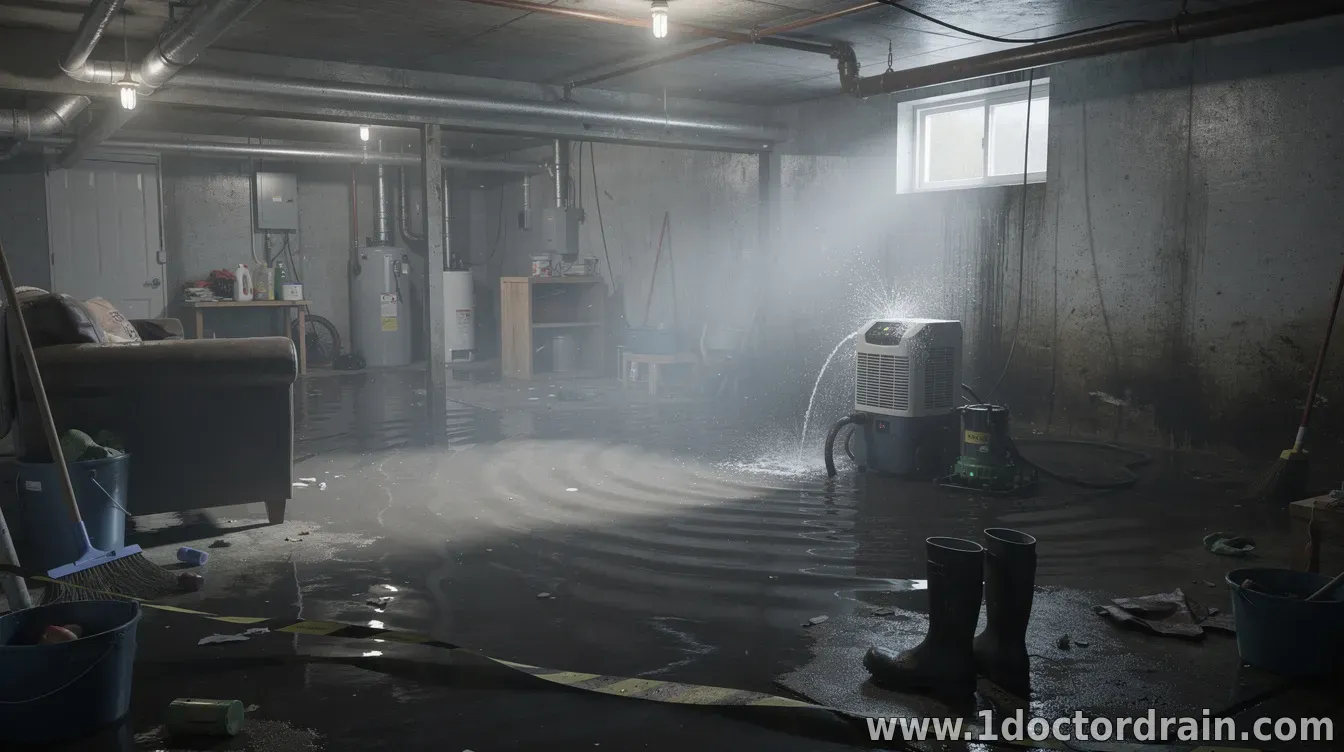
Basement floods can happen from heavy rain, sewer backups, or sump pump failures. The first priority is safety: avoid electrical hazards, evacuate if necessary, and call for professional help when the situation exceeds personal capability.
Immediate safety actions (within minutes)
If it is safe to do so, turn off electricity at the main breaker to prevent shocks. Do not touch electrical devices in standing water. If you can access the sump pump or drainage system without stepping into water above your ankles, check for clogs and restore function if possible. Wear protective gear—gloves, boots, and a mask—to limit exposure to contaminated water.
Move valuables and important documents to higher ground. Photograph the scene for insurance purposes and document the extent of the damage before making any changes.
Post-flood cleanup and restoration (hours to days)
Contact a licensed water-damage restoration company for thorough extraction, dehumidification, and mold mitigation. Remove standing water using a pump or buckets if you can do so safely. Ventilate the space by opening doors and windows, and use fans to accelerate drying. Clean and disinfect hard surfaces with appropriate cleaners to reduce contamination risk.
After water removal, assess structural materials. Porous items like drywall and carpet may need replacement if they’re wet for more than 24–48 hours or show signs of mold. Keep an eye on wood framing for swelling or soft spots, which indicate ongoing moisture damage.
Preventing future floods
Install or upgrade a sump pump with a battery backup and consider a backflow valve for drains to prevent sewer backups. Maintain gutters and downspouts to direct water away from the foundation, and review landscaping to improve drainage. Consider a professional assessment of grading, foundation cracks, and waterproofing options to reduce recurrence risk.
Insurance and documentation are essential. Contact your insurer promptly, provide the damage timeline and photos, and keep records of repairs and contractor estimates. Regular maintenance—seasonal inspections of sump pumps, seals around the basement, and moisture monitors—helps catch issues before they escalate.
| |
|
| |
CALL ☎ Subscribe 👆
Next & Previous posts
Related materials:
CONTACT US 📩
Submit the form, we'll contact you as soon as possible!