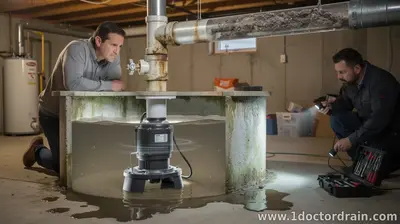
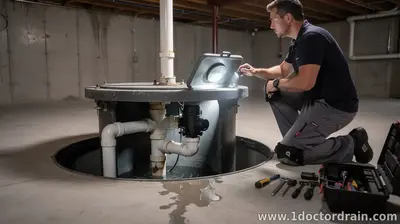
A sewage ejector pump is designed to move wastewater from a lower level (like a basement bathroom) up to the main sewer line. Because the system is largely out of sight, problems can develop slowly—so knowing the warning signs is key to preventing unpleasant backups and costly damage.
1) Strange noises coming from the pump
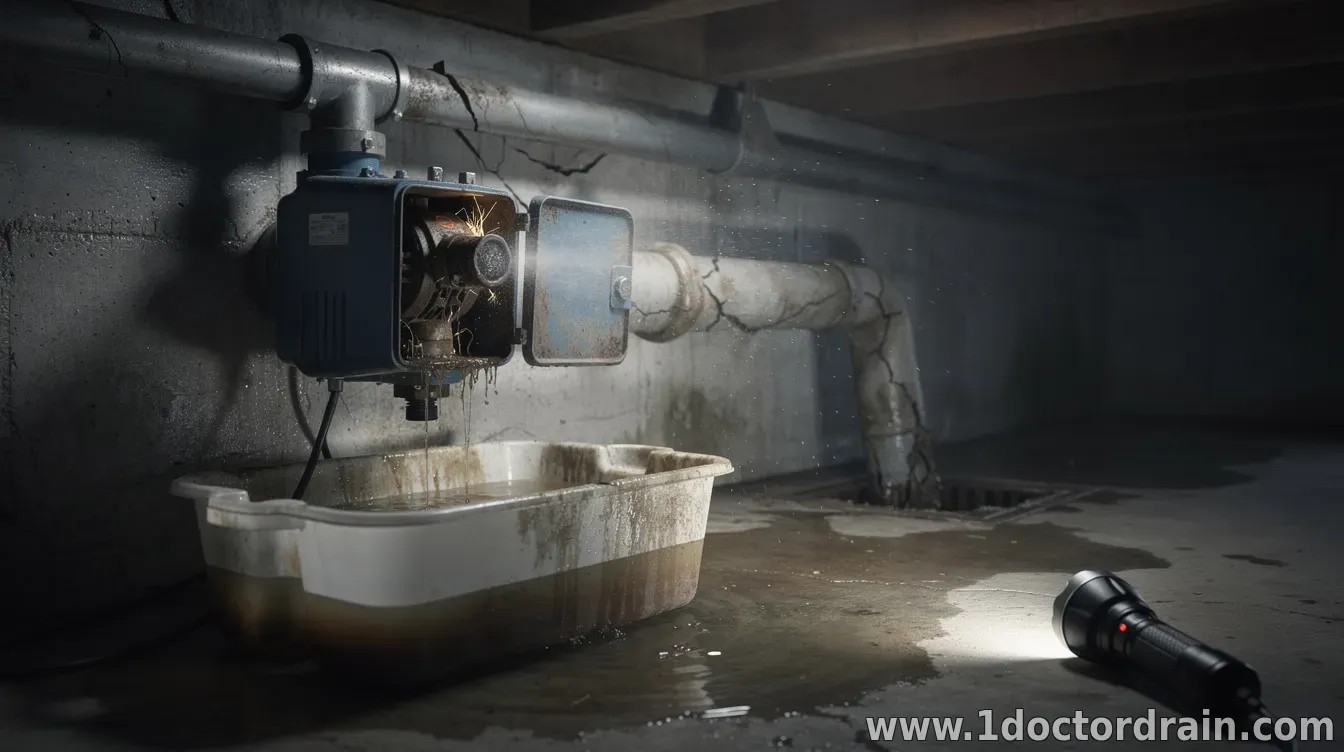
If you hear grinding, rattling, or loud buzzing from the unit, it can indicate worn parts, a failing motor, or an obstruction in the impeller. Occasional hum when the pump runs is normal, but increasing noise is a red flag—especially if it’s new or getting worse.
2) The pump runs more often than usual
A properly functioning pump should cycle based on water level. If it starts frequently, runs longer per cycle, or never seems to shut off, possible causes include a malfunctioning float switch, a stuck check valve, or buildup affecting how quickly water reaches the trigger level.
3) Slow drainage or repeated backups
Consider the system “failing” if sinks or toilets in the affected area drain slowly, gurgle, or back up. Slow drainage can point to a clogged discharge line, debris in the pump, or insufficient pumping performance as components wear out.
4) Foul odors or sewage smells
Bad smells around the pump or in nearby areas often suggest leakage, a cracked seal, or sewer gas escaping from a compromised connection. Even if the pump appears to run, odor issues can signal a problem that needs inspection promptly.
5) High water levels in the pit (or overflow risk)
If water stays higher than normal in the pump basin/pit, the pump may not be moving wastewater effectively. This can lead to overflow during heavy use, particularly during storms or when multiple fixtures are used at once.
6) Power or alarm system warnings
Many sewage ejector systems include an alarm or control panel. If you see warning lights, hear alarms, or notice abnormal behavior on the controller, treat it as an active fault—not a nuisance. Alarm triggers can include high-water conditions, pump runtime problems, or electrical issues.
7) Visible leaks around the pump or plumbing
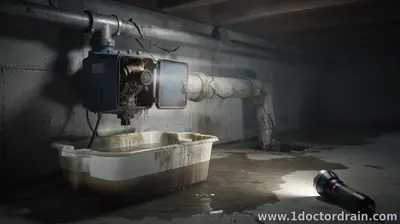
Water pooling near the unit, dampness on surrounding surfaces, or dripping from connections may indicate seal failure, corroded fittings, or condensation issues that become persistent when the pump is struggling. Leaks can also compromise the switch function by affecting water level readings.
When you spot one or more signs, the safest next step is to contact a licensed plumber or pump technician. A professional can check the float mechanism, discharge line, check valve, impeller condition, and electrical components—and confirm whether the pump is failing or the issue is elsewhere in the system.
|