1:46 AM Sewage Ejector Pump: How It Works and Signs of Failure | |
A sewage ejector pump is a specialized type of wastewater pump used when a home’s plumbing system can’t rely on gravity to send sewage to the municipal sewer or septic tank. Instead of wastewater flowing downhill on its own, the pump lifts it upward—often from a basement, crawl space, or other lower-than-sewer area.
Understanding what the pump does, and what “normal” looks like, makes it easier to catch problems early—before a minor mechanical issue turns into a messy backup. What a sewage ejector pump does
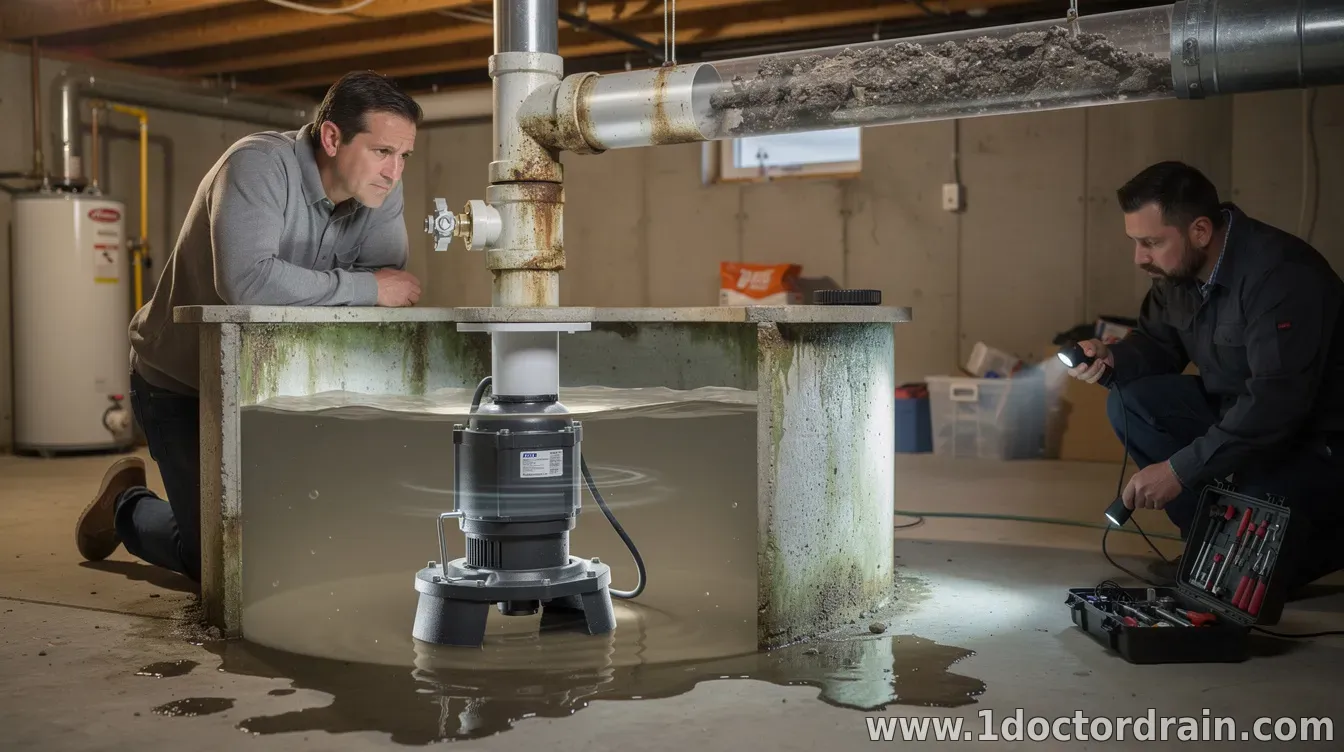
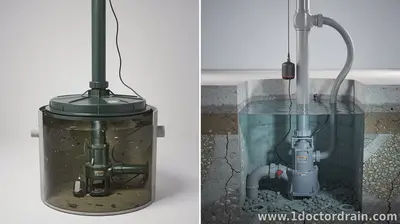
Most systems include a basin (or sump) where wastewater collects, a pump that moves it, and controls that turn the pump on when the liquid reaches a certain level. Depending on the setup, the ejector pump may also include a check valve to prevent backflow and a discharge line that routes wastewater to the next step in the drainage pathway.
When wastewater enters the basin, the pump activates automatically and pushes it through the discharge line. Many ejector pump systems also run on a float or pressure switch that controls start/stop behavior. Common signs a sewage ejector pump is failing
Several symptoms tend to show up when an ejector pump begins to struggle. Some are obvious, while others can be subtle—so it helps to know the pattern.
Performance clues homeowners often overlook
Some warning signs aren’t as dramatic at first. For example, water may discharge normally for a while, then suddenly slow down, especially after heavy use. That can suggest a partially blocked discharge line, buildup inside the pump, or reduced pumping capacity.
Another clue is whether the pump runs longer than it used to for the same amount of wastewater. That change in runtime can indicate the pump is working harder to move the same volume—often due to restricted flow, an aging motor, or impeller wear. What to check before calling for service
While sewage-related plumbing can be hazardous and should be handled carefully, there are a few non-invasive checks that can help confirm a problem. Always follow the manufacturer’s guidance and consider having a licensed plumber inspect the system if you’re unsure.
Why failure happens
Sewage ejector pumps are built for tough environments, but common failure causes include wear and tear on the motor/impeller, sediment and debris buildup, a failing check valve (leading to backflow and odors), and blocked or restricted discharge piping. Electrical issues—like a weak capacitor or problems with wiring—can also prevent reliable operation.
In many cases, problems develop gradually: the pump starts to run less efficiently, then backups and alarms become more frequent. When to act immediately
If you notice wastewater backing up into a basement floor drain, toilet, or other connected fixture, treat it as urgent. Sewage can damage property and create sanitation hazards. Likewise, if the pump alarm goes off or the pump repeatedly trips the breaker, don’t keep using the system until it’s inspected.
Prompt attention can prevent backups and reduce cleanup costs, especially if the underlying issue is a clog, check valve failure, or restricted discharge line. Bottom line
A sewage ejector pump quietly protects lower-level plumbing by lifting wastewater when gravity won’t work. Learn the typical sounds and draining behavior, then watch for early warning signs—slow draining, unusual noises, frequent cycling, persistent odors, or alarm/electrical issues—to address problems before they escalate.
| |
|
| |
CALL ☎ Subscribe 👆
Next & Previous posts
Related materials:
CONTACT US 📩
Submit the form, we'll contact you as soon as possible!