6:52 AM New Construction Drain Inspections: What Builders Skip | |
As new homes and commercial builds move faster, some construction teams cut corners on drain inspections—leaving defects to surface months or years later. While requirements vary by jurisdiction, most inspection regimens follow a similar goal: verify that underground drainage systems are installed correctly before they’re covered. Why inspections matter before the ground is closed
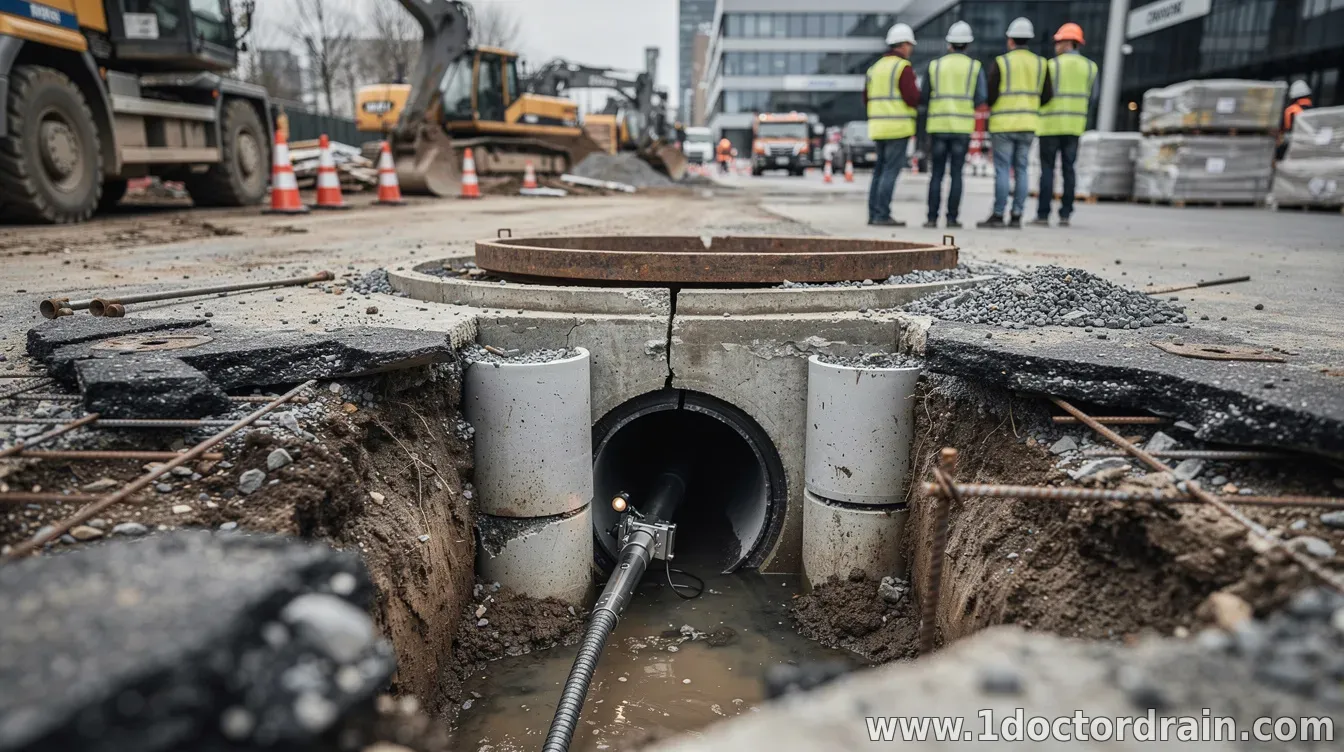
Once pipes are buried under slabs, backfill, or landscaping, access becomes difficult and costly. Many drain failures—misaligned pipe runs, improper slope, cracked fittings, blocked lines, or faulty connections—can’t be confirmed visually after coverage. Early inspection is the cheapest point to find problems and correct them. Common “skipped” steps on new construction
Several issues consistently show up when homeowners or facilities managers request records after move-in. The following practices are frequently omitted or only partially completed:
What “good” looks like in a drain inspection plan
Strong inspection processes typically combine the right method with the right timing. Builders generally benefit from documenting each stage of installation—especially after major pipe runs, before structural closure, and following any repair work. Depending on local code and the complexity of the project, the most reliable approaches often include closed-circuit video inspection and pressure or water testing where required.
Good practice also includes clear acceptance criteria: what counts as a pass, which defects trigger a rework, and how repairs will be verified. Without defined thresholds, inspections can become a checkbox exercise rather than a quality-control tool. Where inspections are most often cut short
Cut corners don’t affect every part of a plumbing system equally. Builders commonly prioritize visible, interior work and under-emphasize the segments that are harder to reach later. Risk tends to concentrate in long buried runs, transitions between materials, connection points at cleanouts, and areas where grading and backfill can shift pipe positioning.
Even if the system performs in the short term, installation weaknesses can show up during peak load, seasonal temperature changes, or heavy use—when small problems become recurring failures. How homeowners and site managers can respond
If you’re overseeing a build—or reviewing a recently completed one—insist on inspection evidence while access is still possible. Ask for inspection reports and, where applicable, video records that identify the system sections tested and their condition against code expectations. For projects still in progress, require that any flagged issues are repaired and re-inspected before coverage.
When records are missing after occupancy, request a professional assessment that can evaluate whether defects likely existed at installation and whether they can be resolved without demolition. While retrospective fixes can be more expensive, early action often prevents repeated backups and emergency call-outs.
Drain inspections aren’t glamorous, but they’re one of the clearest ways to protect a building’s long-term performance. The difference between a smooth handover and a costly repair cycle is frequently decided long before the ground is closed.
| |
|
| |
CALL ☎ Subscribe 👆
Next & Previous posts
Related materials:

CONTACT US 📩
Submit the form, we'll contact you as soon as possible!