0:52 AM How Illinois Homeowners Can Prevent Frozen Drain Lines | |
Illinois winters can bring long stretches of freezing temperatures, and that cold can travel into uninsulated plumbing located in basements, crawl spaces, garages, and exterior walls. While frozen supply lines are well-known, drain lines are also vulnerable—sometimes causing blockages that are difficult to diagnose until they worsen.
Preventing frozen drain lines usually comes down to reducing exposure to cold, keeping water flowing when it’s at risk, and addressing common weak points where pipes can lose heat. Focus on the highest-risk plumbing locations
Start by identifying where drain lines run through areas that are prone to freezing in your home. In many Illinois homes, risk is higher for pipes in unheated basements, crawl spaces, attached garages, or utility rooms with gaps around foundation walls. Also pay attention to areas where pipes pass through exterior walls or floor joists—those penetrations often act like thermal shortcuts. Insulate drain pipes—and seal the gaps
Insulating pipe runs is one of the most effective steps you can take before sustained cold arrives. Use pipe insulation rated for cold temperatures and ensure it fits snugly around the drain line. Then address drafts: seal openings around pipes where they enter or exit framing, especially where you can feel cold air movement.
If you insulate but leave air gaps around the pipe pathway, cold air can still reach the line and undermine the insulation. Sealing foundation penetrations and sealing around vents and sill plates can make insulation work much better. Keep a small, steady flow during extreme cold
For homes experiencing sudden deep freezes, a small continuous flow can help prevent standing water in drain traps or connected runs from turning to ice. Instead of relying on occasional use, consider letting a faucet drip lightly where appropriate and follow local plumbing guidance for your setup. The key is to avoid letting water sit in the line for long stretches during the coldest hours.
Homeowners should also avoid flushing large amounts of material during the coldest windows if you suspect a vulnerable section. Ice forms more readily when water conditions are prone to residue buildup. Know the role of heat sources and avoid accidental damage
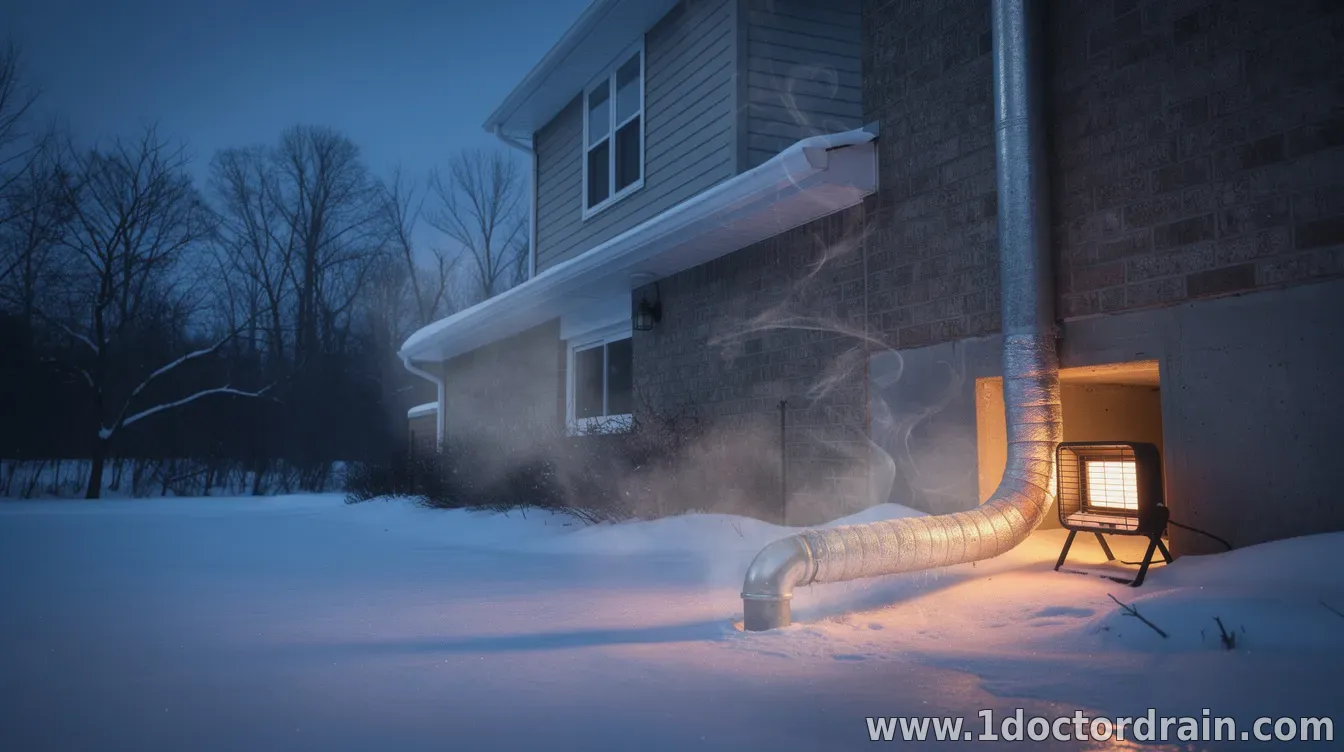
Some homeowners use space heaters, heat lamps, or heat cables near pipes to reduce freezing risk. If you go this route, keep safety in mind: use weather-appropriate, purpose-built equipment and follow manufacturer instructions. Avoid improvised setups and don’t place heaters in ways that block airflow or create fire hazards near stored materials.
For unheated crawl spaces or utility areas, improving overall temperature control can be more reliable than relying solely on spot heating. Maintain drainage habits before winter sets in
Preventive maintenance can reduce the chance that drain lines become blocked and freeze more easily. In cold months, keep debris, grease, and other build-up from accumulating in drains—especially in older plumbing systems. Periodically inspect slow drains and address them early rather than waiting for a full backup.
If you use a de-icer product, choose one that is appropriate for your plumbing type and follow label directions. Overuse or incorrect products can damage pipes, affect seals, or worsen issues. Watch for early warning signs
Frozen drain line problems rarely arrive without clues. Early indicators can include gurgling sounds, slow drainage in specific fixtures, recurring backups in one area, or unusual odors that suggest water isn’t clearing properly. Catching these symptoms early can prevent the situation from escalating during a multi-day freeze.
If you suspect a section has frozen solid, avoid forcing water through it with high-pressure sources. Instead, consider contacting a qualified plumber, especially if you’re unsure where the blockage is located or if it involves a buried or hard-to-access run.
For Illinois homeowners, the best results typically come from combining insulation, draft sealing, and smart water-use habits before cold snaps. A short checklist—identify exposed sections, insulate and seal penetrations, and adjust water flow during extremes—can help protect drain lines and reduce winter surprises.
| |
|
| |
CALL ☎ Subscribe 👆
Next & Previous posts
CONTACT US 📩
Submit the form, we'll contact you as soon as possible!