3:55 AM Northbrook & Glenview: Municipal Sewer Connection Basics | |
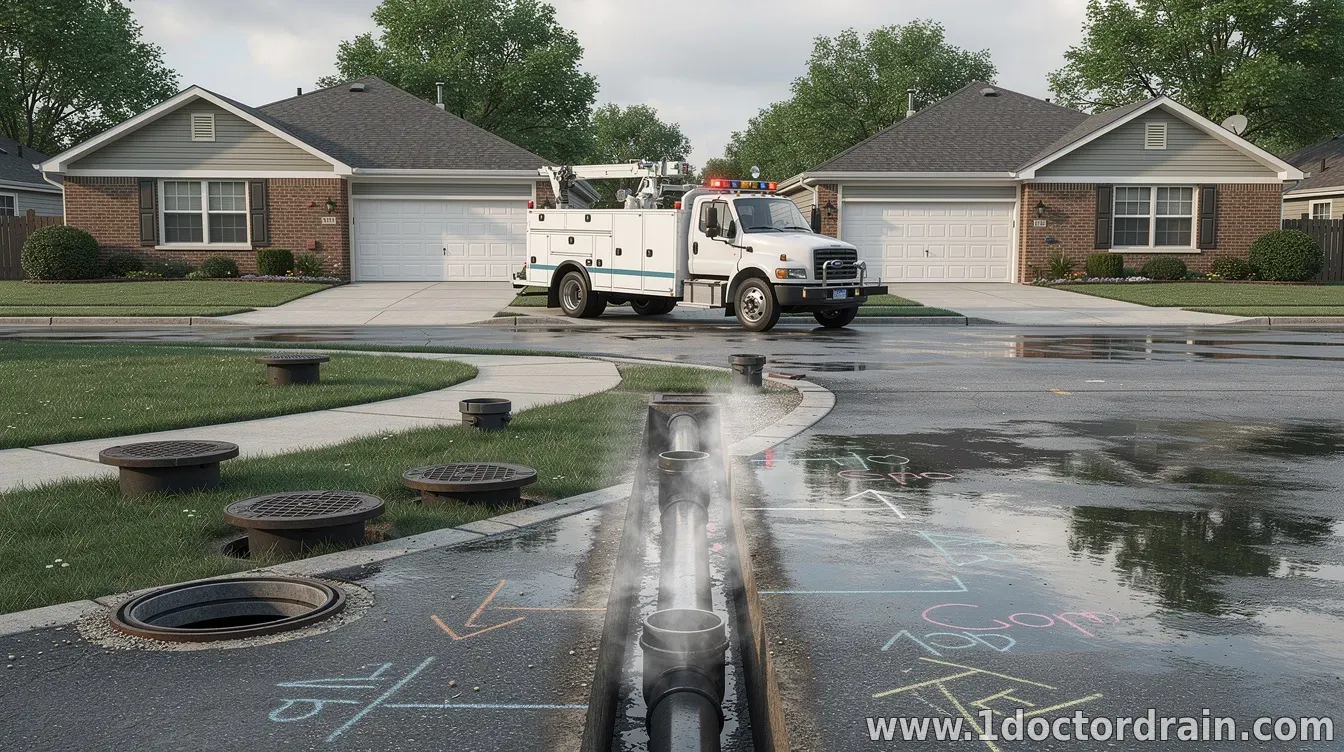
For homeowners in Northbrook and Glenview, moving from septic to municipal sewer—or connecting a property that isn’t currently served—can be a practical upgrade. But the process is more than scheduling plumbing work: it typically involves permits, utility coordination, inspections, and clear cost expectations.
Below are the key items homeowners should know before starting the connection process, including how applications usually work, what impacts project timing, and which responsibilities may fall to the property owner. 1) Confirm whether your property is eligible and what’s required
The first step is determining whether your address is within an area served by the municipal system and what type of connection is being requested. Eligibility can depend on location, existing sewer availability, and the property’s current wastewater setup. Homeowners should also ask what “scope” the municipality expects—such as the connection point, curb or property line requirements, and whether any restoration work is included or separately permitted. 2) Expect a permit-and-inspection workflow
Municipal sewer projects generally require coordination between the homeowner, licensed contractors, and the local utility or public works department. Inspections are commonly tied to key construction milestones (for example, before lines are covered and after final tie-ins). Because sewer work involves long-lived infrastructure and public health standards, documentation requirements—like approved plans, contractor information, and inspection results—are often central to compliance. 3) Costs vary: connection fees, internal plumbing, and restoration
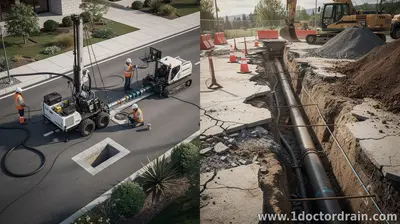
While municipalities may charge connection-related fees, the total project cost often includes more than the utility connection itself. Homeowners should plan for common categories such as interior plumbing updates, excavation and trenching on private property (if required), external piping from the building to the connection point, and restoration after work (including paving/landscaping). Getting a written estimate and clarifying what is included can reduce the risk of budget surprises.
4) Timing depends on utility coordination and site conditions
Even when permits are straightforward, timelines can stretch due to factors such as sewer main work availability, inspection scheduling, weather-related excavation constraints, and site-specific conditions like access limitations, soil conditions, or the location of existing septic components. Homeowners should request a realistic sequence of steps—application review, scheduling, installation, inspection, and final acceptance—and ask how delays are handled.
It can also help to coordinate contractor availability early, especially if the sewer connection must align with municipal inspection windows. If your property has existing utilities, landscaping, or structures that complicate access, documenting those details upfront can prevent last-minute redesigns. What to ask your municipality before work begins
Before hiring a contractor or ordering materials, homeowners should consider asking the local utility or public works department a short list of targeted questions. These will typically shape the official requirements and help you understand who is responsible for what.
Clear answers early can also clarify whether any additional construction—such as interior drain modifications or septic abandonment requirements—must be handled as part of the overall project plan.
For Northbrook and Glenview homeowners, a successful municipal sewer connection usually comes down to planning: verify requirements and eligibility, secure permits, confirm scope and costs in writing, and align contractor work with inspection and utility schedules. Taking those steps before digging can help ensure the project moves efficiently from application to final approval.
| |
|
| |
CALL ☎ Subscribe 👆
Next & Previous posts
Related materials:


CONTACT US 📩
Submit the form, we'll contact you as soon as possible!