11:21 PM How to Prepare Your Storm Drain for Chicago Rainy Season | |
As Chicago heads into its rainier months, blocked or poorly maintained storm drains can quickly turn routine downpours into street flooding or basement backups. While local infrastructure does much of the heavy lifting, homeowners and property managers can improve flow by preparing drainage paths before the busiest storms arrive.
The goal is simple: keep water moving into the storm sewer system by reducing debris, leaves, and sediment that accumulate around inlets and grates. Even small improvements—like clearing a few inches of buildup and managing runoff from your yard—can make a measurable difference during peak rainfall. Start with a careful inspection
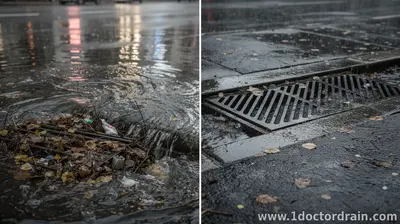
Before the first major storm, walk your property and look for storm drain intakes—such as curbside grates, yard inlets, or drain structures along driveways and walkways. Check for visible leaves, twigs, trash, standing water that drains slowly, and areas where soil erodes toward the grate. If you find recurring issues, note the location and what seems to cause the blockage.
If your property has downspouts or sump discharge lines that connect to nearby drainage, confirm they’re routed properly and not dumping water directly onto a vulnerable section of ground that can erode into the inlet. For any inlet that appears to be backing up, avoid forcing materials into the storm opening; instead, remove what you can safely reach at the surface and clear the surrounding area. Clear debris without pushing it deeper
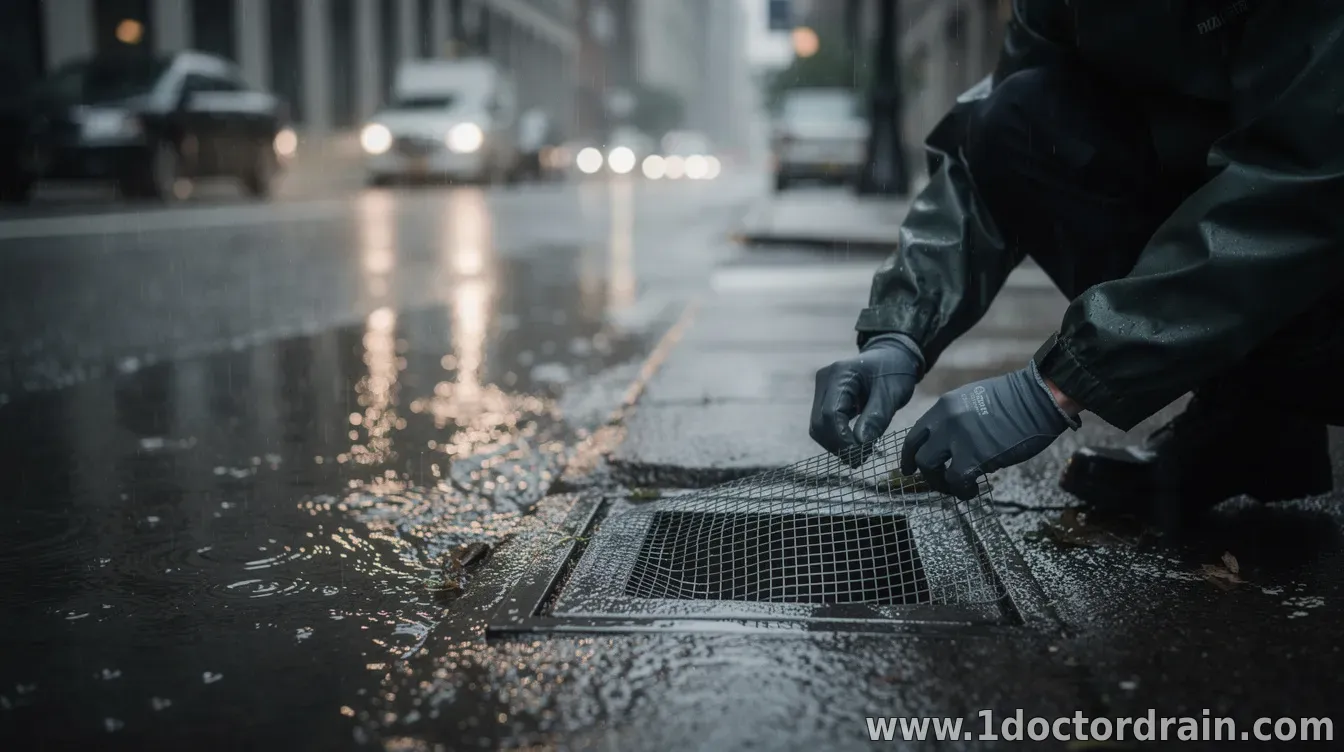
When you prepare a storm drain, remove loose debris first. Use gloves and a scoop or small hand tools to pick up leaves and trash around the inlet. A shop-vac can help for fine debris that’s sitting near the grate, but avoid directing suction so aggressively that you damage the intake or spread sediment deeper into the system.
For curbside grates and grates in driveways, be cautious about scraping or bending components. Gentle cleaning works best—remove what’s blocking the openings, then check the surrounding curb area where sediment often collects. Reduce sediment and runoff from your yard
Clogs often form not only from leaves and trash, but from soil and small debris carried by runoff. Address bare patches, overgrown vegetation, and areas where water concentrates before reaching the drain. Consider adding or improving ground cover, using mulch appropriately, and keeping soil in place during storms.
If you manage landscaping, make sure downspouts discharge to a stable infiltration area or an approved drainage path rather than directly washing sediment toward the nearest inlet. During heavy rain, even normally dry slopes can shift small amounts of soil into the storm system. Protect grates and keep litter out
Using proper grate covers or intake guards can reduce the amount of larger debris that enters storm drains—especially in areas with frequent leaf fall. Ensure any protective device is designed to allow water to flow freely; overly restrictive covers can worsen ponding during intense rainfall.
Just as important is preventing trash from reaching inlets. Secure bins, keep compost and yard waste contained, and don’t blow or sweep leaves toward the curb where they can be carried into storm intakes. Know when to call the city or a professional
If you notice repeated backups, odors associated with trapped waste, or signs of flooding that impact neighboring properties, it may be time to contact the appropriate municipal service or a qualified drainage contractor. Large clogs, broken components, or blocked main lines typically require specialized equipment and access that homeowners can’t safely handle.
In Chicago, stormwater issues can vary by location and system design. When in doubt, document the problem with photos (in dry conditions and during/after rain) and share the location details so responders can assess quickly.
Preparing your storm drain before Chicago’s rainiest stretches can help reduce flooding risk, support neighborhood street drainage, and protect your property. A short inspection and targeted clearing session now—paired with smarter yard runoff management—can pay off the next time a storm rolls in.
| |
|
| |
CALL ☎ Subscribe 👆
Next & Previous posts
Related materials:

CONTACT US 📩
Submit the form, we'll contact you as soon as possible!