0:41 AM Restaurant Drain Maintenance: Grease, Codes, Schedules | |
Drain problems in restaurants rarely start as sudden failures. More often, they build quietly—through grease and food solids accumulating inside pipes, slowly narrowing flow paths until backups, odors, and emergency repairs follow. A practical maintenance plan can prevent most issues while also supporting compliance with local plumbing and wastewater requirements.
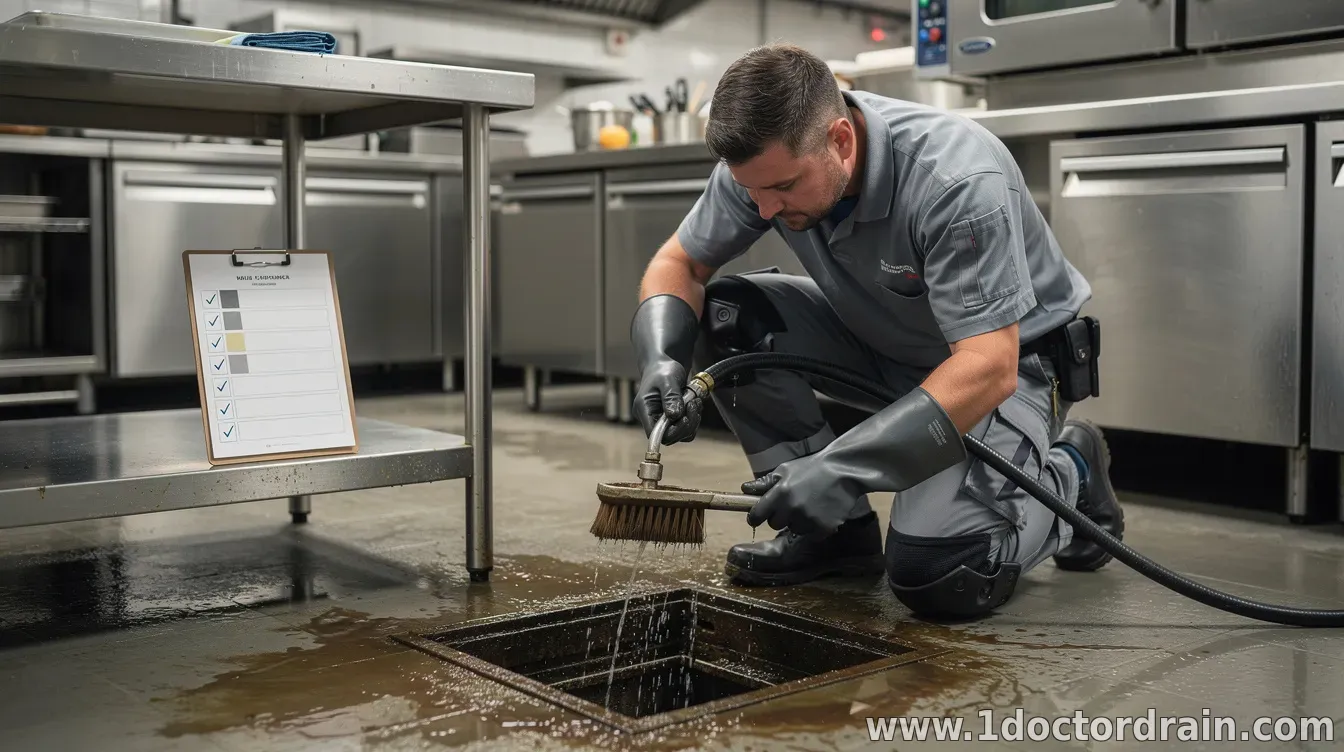
Grease is the primary driver of clogged drains. Kitchen wastewater can carry oils and fats that cool and harden on pipe walls. Over time, that residue traps other debris, including food particles and organic waste, forming blockages that are difficult to clear without specialized equipment. Many jurisdictions require restaurants to manage grease before it enters municipal sewer systems, typically through grease interceptors or approved alternatives. What codes usually require (and what to document)
While details vary by city and state, restaurant drain compliance commonly covers: proper installation and capacity of grease control devices; routine service by qualified personnel; and proof of cleaning and disposal. Facilities may also face rules about backflow prevention, venting, and the maintenance of clean-outs for inspections and emergency access.
In practice, restaurants should maintain records that show when grease traps/interceptors were serviced, what was removed, and where waste was hauled. These logs are often the difference between a smooth inspection and a citation, especially when inspectors request service history and disposal receipts. Building an effective cleaning and inspection schedule
A schedule should be risk-based, not one-size-fits-all. Higher-volume kitchens, heavy fryer use, and high menu grease content typically increase the need for frequent grease management. A good baseline approach includes regular inspection of drains and grease devices, scheduled cleaning, and clear triggers for when unscheduled work is necessary.
Many operators structure maintenance around the following rhythm:
Schedules also need alignment with operational realities. If your busiest hours overlap with contractor availability, plan cleaning for off-peak periods to minimize service disruption. Best practices that reduce grease and protect pipes
Maintenance starts upstream. Staff training on grease handling—such as scraping cookware and using approved disposal methods—reduces the load that enters drains. Dedicated procedures for handling fryer oil, degreasing equipment, and preventing food solids from washing into plumbing can significantly extend the time between cleanings.
It’s also important to avoid practices that create new problems. Pouring aggressive chemicals as a substitute for grease removal may damage plumbing, create safety risks, or worsen buildup patterns. Operators should follow approved methods for their specific drain materials and rely on professional mechanical cleaning where required.
For many restaurants, the most cost-effective strategy is to treat drains like a managed asset: keep grease under control, maintain access points, and track service outcomes. Over time, consistent inspections and timely clean-outs help prevent full blockages, reduce emergency callouts, and improve reliability during peak service.
Bottom line: Grease control, code-aligned documentation, and a schedule tailored to kitchen load are the three pillars of drain maintenance for restaurants. Facilities that systematize these steps are more likely to pass inspections, avoid backups, and reduce long-term repair costs.
| |
|
| |
CALL ☎ Subscribe 👆
Next & Previous posts
Related materials:

CONTACT US 📩
Submit the form, we'll contact you as soon as possible!