1:08 AM Video Home Inspections: What Buyers Often Miss | |
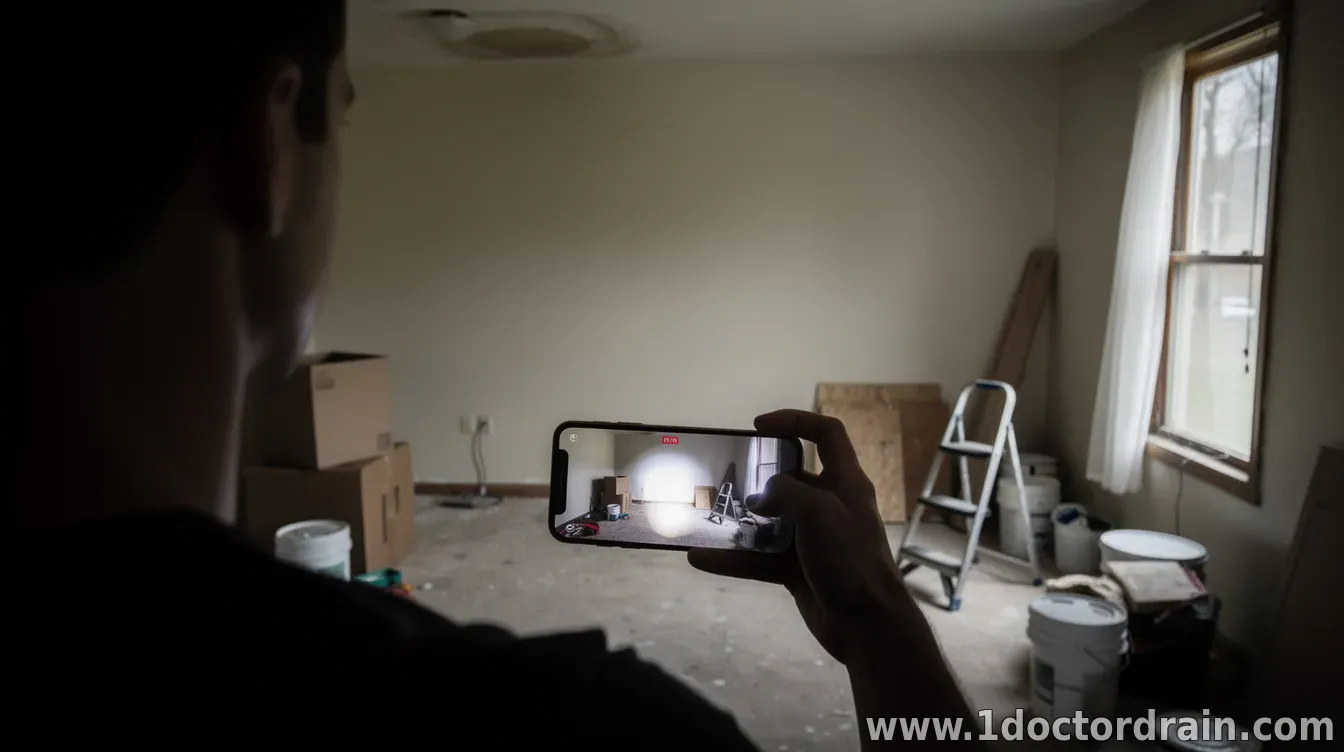
Video inspection content is increasingly common in real estate—buyers can “walk” a property remotely and get a fast sense of condition. But a recorded tour can create a false sense of completeness, because cameras show what light, angles, and access allow. Some of the most expensive home problems are also the hardest to confirm visually.
Industry professionals generally recommend treating video as a starting point, not the final say. Buyers should still schedule a qualified in-person inspection and, when warranted, request targeted testing (moisture, air quality, or specific systems). 1) Moisture and water damage in concealed areas
One of the biggest oversights in video-only reviews is concealed moisture. Roof leaks, plumbing seepage, and condensation often appear as staining, bubbling paint, or warped materials—signs that may be missed if the camera never pans across ceilings, behind doors, or along exterior walls. Even when visible, the extent of water damage is difficult to confirm without probing, moisture readings, or opening suspect areas.
Buyers should particularly scrutinize bathrooms, laundry spaces, basements or crawlspaces, under-sink areas, around exterior penetrations (vents, pipes), and any prior “cosmetic” repairs that don’t explain the root cause. 2) Electrical hazards you can’t reliably diagnose on camera
A video may capture the breaker panel and a few outlets, but it typically can’t verify safety or code compliance. Problems like overloaded circuits, improper grounding, aluminum wiring concerns, damaged wiring behind walls, or faulty GFCI/AFCI protection may not be obvious in footage—especially if outlets aren’t tested and panels aren’t inspected closely.
For older homes, buyers should ask for evidence of electrical upgrades and consider an electrician’s assessment. Visual cues (burn marks, corrosion, improperly secured covers) can be meaningful, but they are not a substitute for testing. 3) HVAC performance and air quality limitations
Heating, ventilation, and air conditioning systems are often under-assessed in video walkthroughs. A camera can show vents and registers, but it cannot confirm whether the system is the right size, whether ducts leak, or whether filters and components are maintained.
Look for signs like uneven airflow, strong odors, visible mold near vents, or neglected return-air grilles. When climate and health risks are a concern, buyers may want professional evaluation of ductwork, refrigerant levels, and—when appropriate—air quality and filtration.
4) Structural and foundation issues hidden by finishes
Structural problems are frequently the most costly—and also the most difficult to confirm from video. Hairline cracks can be captured, but determining whether cracking is active, settling-related, or a sign of movement requires context and sometimes specialized measurement. Similarly, floors that look “fine” on camera can be out of level in person, and settling may be masked by flooring transitions or fresh paint.
Buyers should ask the inspector to check for uneven floors, door/window alignment issues, signs of moisture intrusion near the foundation, and other indicators that may not be fully visible during a quick walkthrough.
5) The “big stuff” outside the camera’s frame
Video inspection often focuses on rooms, while key exterior and site conditions may be skipped or shown briefly. Grading, drainage direction, gutter function, downspout routing, and landscaping that traps water around the foundation can be decisive factors in long-term risk.
Buyers should verify that water flows away from the home, that downspouts discharge appropriately, and that the roof and siding show consistent condition. If the property has mature trees, look for potential roof abrasion or root intrusion near plumbing and foundations.
How to reduce the risk before you commit
If a video walkthrough is all you have initially, you can still protect yourself by asking focused questions and planning confirmatory steps. A good approach is to treat video observations as “leads” rather than conclusions.
Final takeaway: cameras are useful, but not complete
Video walkthroughs can help buyers narrow choices and flag potential issues, but they cannot replace the systematic checks performed by a trained inspector with full access to the home. The most effective buyers combine video context with testing and on-site verification—especially for moisture, electrical safety, structural concerns, and system performance.
If you’re deciding quickly, remember that a thorough inspection is the step that turns “looks okay” into “is okay,” helping you avoid expensive surprises after closing.
| |
|
| |
CALL ☎ Subscribe 👆
Next & Previous posts
CONTACT US 📩
Submit the form, we'll contact you as soon as possible!