2:46 AM Signs Your Sewer Line Is Broken (Without Digging) | |
A broken sewer line doesn’t always announce itself with visible damage. In many homes, the earliest warning signs are behavioral—changes in how plumbing drains, unusual smells, or new drainage problems that spread across fixtures. If you suspect a problem, there are several non-invasive ways to narrow down whether the issue is likely in the sewer line rather than a single drain. Common household signs of a sewer line break
Start by tracking symptoms that suggest wastewater isn’t moving normally through the main line. Look for repeated backups in multiple drains, especially when they occur during or soon after heavy water use. Slow draining in sinks, tubs, and toilets at the same time can also point to a shared line issue rather than a localized clog.
Other red flags include sewage odors near drains, bathrooms, or around the property perimeter; wet spots or unusually lush patches of grass near the suspected line route; and gurgling sounds in toilets or tubs when another fixture is running. Persistent odors and recurring “partial clogs” that never fully clear can be consistent with cracked pipe sections or displaced joints. Use “safe” observations to rule out plumbing-level causes
Before concluding the sewer line is broken, compare symptoms to typical localized problems. For example, if only one fixture struggles while the rest drain normally, the cause may be a clogged trap, venting issue, or blockage further down that specific branch line. If toilets back up while sinks and showers also drain slowly, the pattern is more consistent with a problem on the main line.
You can also check whether the issue changes with water pressure and timing. A sewer line failure may become more apparent during high-flow periods (like laundry cycles or multiple showers). Documenting when symptoms occur helps a technician interpret what they see during a remote inspection. Non-invasive testing: the fastest path to clarity
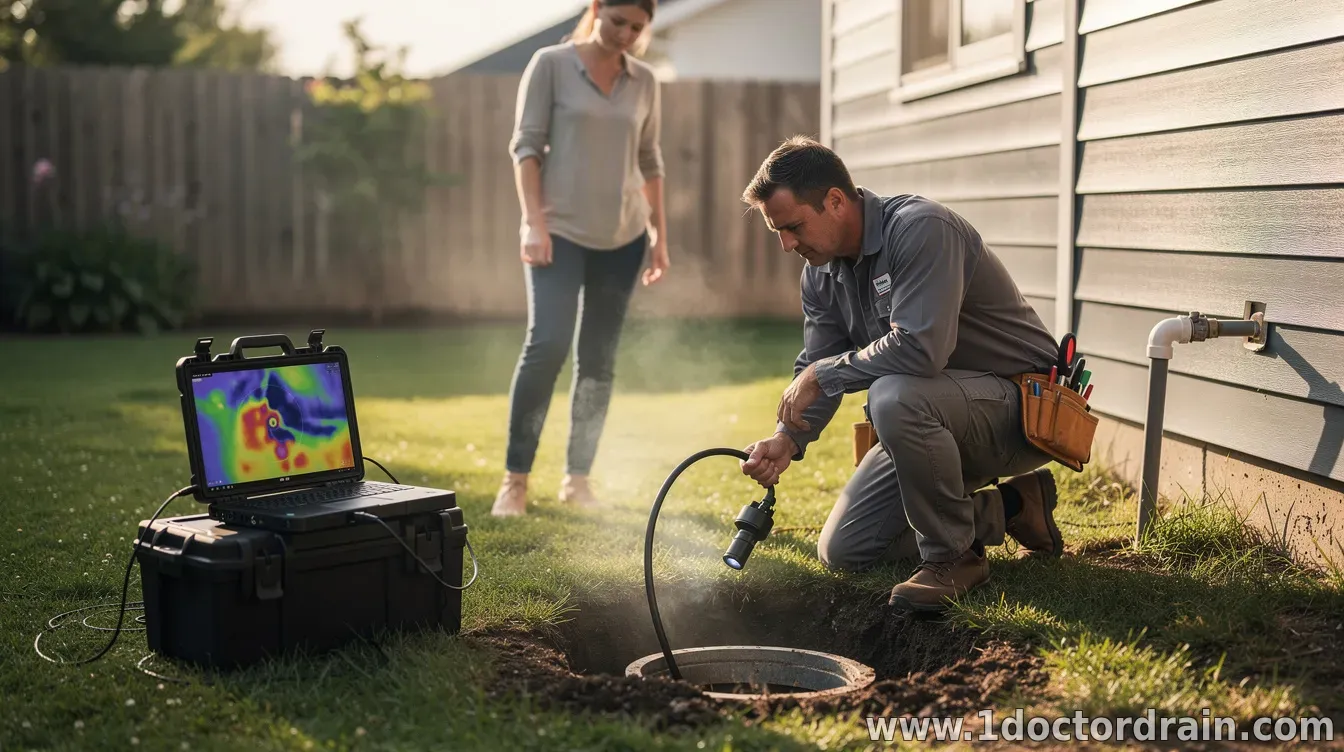
Once signs point toward a main-line problem, non-invasive methods can confirm it without digging. A common first step is a professional camera inspection using a sewer line “snake” camera inserted from a cleanout or accessible service point. The camera can reveal cracks, breaks, root intrusion, corrosion, collapsed sections, and misaligned joints—often with clear visual evidence.
Another tool is hydro-jetting or localized clearing combined with observation. If a blockage clears temporarily but symptoms return quickly, that can indicate an underlying structural failure rather than a one-time clog. Some services also use tracer dye or smoke testing for certain scenarios to distinguish whether leaks are coming from wastewater lines versus other plumbing connections. How to prepare (and what to avoid)
While you can’t confirm a break just by “looking,” you can make inspections more efficient. Note the locations of recurring backups, any odors you’ve detected, and whether wet areas appear near specific points outside your home. If you can safely access known cleanouts, ensure they’re not obstructed.
Avoid aggressive DIY methods that can worsen damage or spread contamination. Don’t pour chemicals down drains to “dissolve” suspected sewer issues—these can be ineffective against structural cracks and may create hazardous fumes. If sewage is backing up or there’s strong odor, consider limiting water use and prioritize professional assessment.
The safest takeaway: treat recurring, multi-fixture drainage problems plus sewage odors or outside wet patches as a strong signal to investigate the main line. With camera inspection and other non-invasive diagnostics, many sewer-line breaks can be identified quickly—so you can choose a repair strategy without unnecessary digging.
| |
|
| |
CALL ☎ Subscribe 👆
Next & Previous posts
CONTACT US 📩
Submit the form, we'll contact you as soon as possible!