0:17 AM Sewage Backup and Health Risks: What Homeowners Need to Know | |
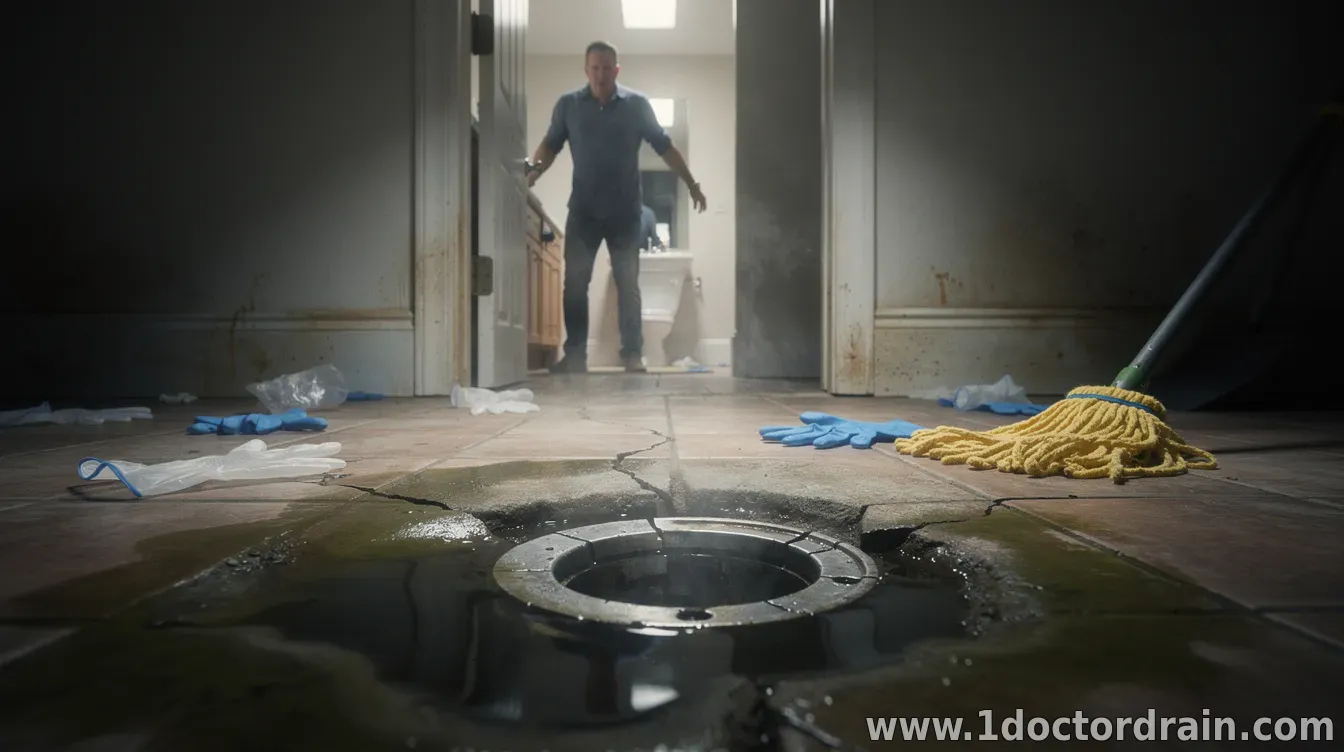
A sewage backup is more than an unpleasant household emergency—it can create serious health risks for anyone exposed to contaminated water and waste. When wastewater backs up into homes, it may carry a mix of pathogens that can cause gastrointestinal illness, skin infections, and respiratory problems, especially if cleanup is attempted without protection.
Health officials typically warn that the risk depends on what the backup contains. If the source is municipal sewer waste, the contamination is generally higher. If the issue is tied to storm drains, the situation can still be dangerous because floodwater may mix with sewage and chemicals from outside areas. Why sewage is hazardous
Sewage can contain disease-causing organisms, including bacteria such as E. coli and Salmonella, viruses that spread through fecal matter, and parasites. Exposure may occur through direct contact with contaminated water, inhalation of aerosolized particles during pumping or cleanup, or accidental ingestion when contaminated surfaces aren’t properly disinfected.
Children, older adults, pregnant people, and individuals with weakened immune systems face higher risk. Even small amounts of contamination can be harmful if it reaches broken skin, eyes, or mucous membranes. Signs of exposure and when to seek care
After a sewage incident, watch for symptoms such as diarrhea, vomiting, fever, stomach cramps, or persistent coughing or throat irritation—especially within the days following exposure. Skin contact may lead to redness, rash, or irritation that doesn’t improve quickly.
Seek medical advice if symptoms are severe, last more than a short period, or if someone in the home is considered high-risk. Health departments often recommend documenting exposure and keeping records of when the backup occurred and what areas were contaminated to support guidance from clinicians. Safe steps homeowners can take immediately
Before cleanup, limit contact and prevent spread. If there is standing wastewater, keep people and pets away and avoid walking through or splashing contaminated material. Shut off electrical power to affected areas if water has reached outlets, appliances, or wiring, and do not operate affected systems until power is confirmed safe.
For cleanup, professionals generally emphasize the use of protective gear, including waterproof gloves, eye protection, and respiratory protection when there is risk of inhalation. Homeowners should also use appropriate disinfectants suitable for sewage contamination and follow product instructions carefully, allowing required dwell times before wiping or rinsing.
Materials such as heavily soiled porous items—carpet padding, upholstered furniture, and certain insulation—may need to be discarded rather than disinfected thoroughly. Non-porous surfaces can often be cleaned and disinfected, but thoroughness is critical to prevent lingering contamination. When to call professionalsMost experts recommend contacting licensed cleanup and remediation services when the backup is extensive, involves multiple rooms, or includes raw sewage. Professionals have equipment for water extraction, air filtration, and safe handling of contaminated debris, which can reduce both health risk and the likelihood of lingering odors or mold growth.
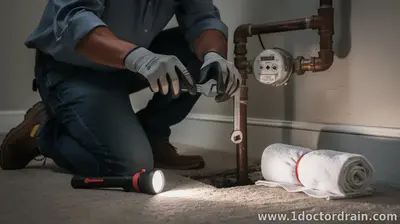
Homeowners should also consider a plumber or sewer specialist if there is a likelihood of repeated backups. Root causes can include clogged main lines, broken sewer pipes, tree-root intrusion, malfunctioning pumps, or improper drain configurations.
While sewage incidents are stressful, taking the situation seriously can protect health and accelerate recovery. Quick isolation, safe cleanup practices, and timely professional help—combined with preventative checks—are key steps homeowners can take to reduce both immediate risk and the chance of repeat events.
| |
|
| |
CALL ☎ Subscribe 👆
Next & Previous posts
Related materials:
CONTACT US 📩
Submit the form, we'll contact you as soon as possible!