3:29 AM When Your Drains Demand Attention: Signs, Causes, and Fixes | |
A drain that suddenly starts backing up, gurgling, or smelling strongly is often more than an inconvenience. These symptoms can point to clogged pipes, venting problems, or—less commonly—underlying damage that may require professional inspection.
While some issues are minor and resolvable with basic cleaning, repeated or escalating drainage problems can lead to spills, water damage, and higher repair costs. Common warning signs you shouldn’t ignore
Homeowners typically notice drain trouble before a full blockage. Slow drainage is usually the first cue, but other red flags matter just as much.
What usually causes drains to demand attention
Clogs are rarely random. They’re commonly tied to what enters the plumbing system and how the system is vented to release air.
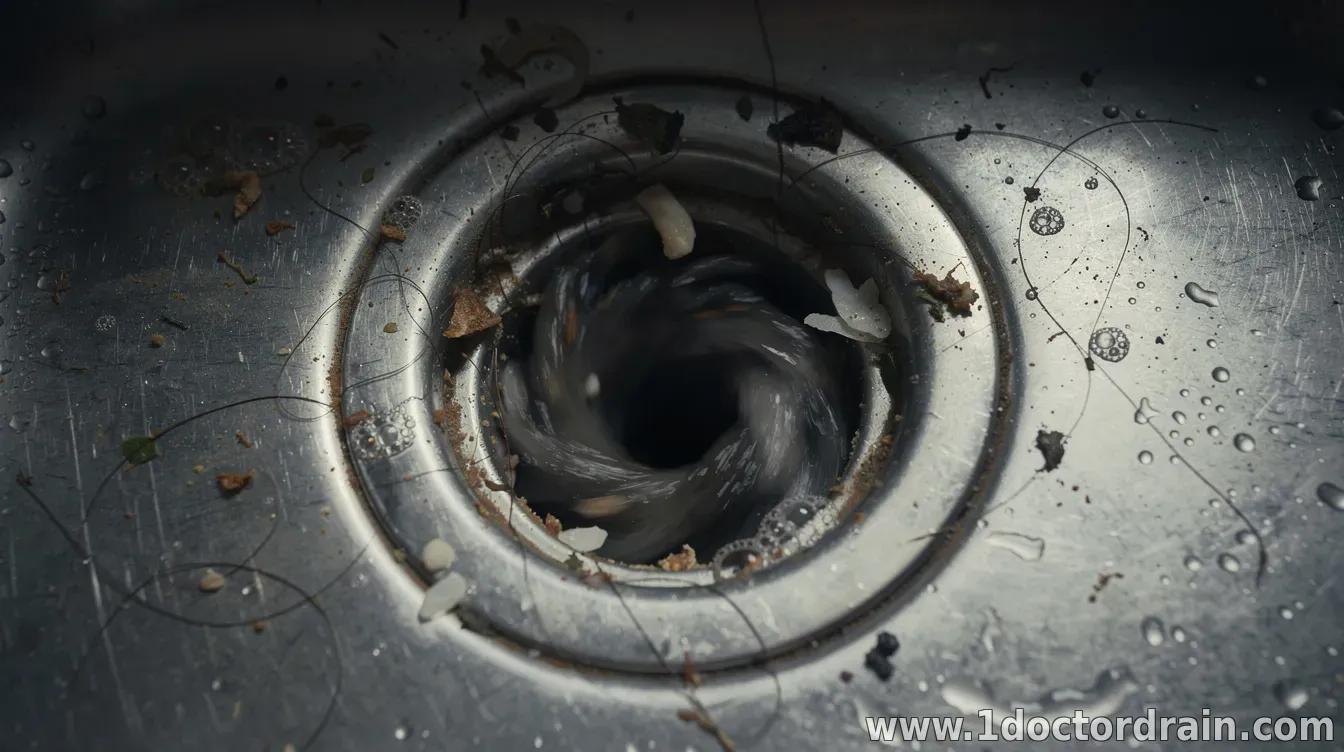
Grease buildup from cooking, hair and soap scum in bathroom lines, and food debris in kitchen sinks are frequent culprits. Over time, these materials can combine into sticky blockages that narrow pipe space.
In some cases, the problem is not a clog at all but a venting or drainage issue—such as a blocked vent line or a slope problem—resulting in slow flow, persistent gurgling, or inconsistent drainage across fixtures. Practical steps homeowners can take first
If symptoms are mild and localized to one fixture, there are safer first moves. Start with simple, low-damage approaches that avoid pushing material deeper into the system.
For sinks and tubs, remove visible debris (hair, strainers, and buildup around stoppers). Use drain-safe cleaning methods where appropriate and follow product instructions carefully—avoid mixing chemical cleaners, which can create hazardous reactions. Hot water can help with minor grease, but it’s not a universal fix.
For persistent slow drains, a mechanical method such as a plunger designed for sinks or a hand auger may be more effective than repeated chemical treatments. If you’re unsure what you’re seeing, stopping early can prevent worsening the blockage. When to call a plumber
Some situations are signals to move beyond DIY. Call a qualified plumber if water backs up, if multiple drains are affected at once, or if the problem returns shortly after cleaning.
Professional help is especially important when there are signs of more serious plumbing issues, such as recurring clogs in different areas, slow drainage that worsens over weeks, or any evidence of leaks, wet flooring, or water stains near pipes.
A technician can often diagnose the real cause using cameras, pressure testing, and targeted clearing—reducing guesswork and lowering the risk of damaging pipes.
Ultimately, drains tend to behave predictably: when they change suddenly or continue to decline, there’s usually a reason. Addressing early warning signs can keep your plumbing functioning smoothly and help you avoid more expensive repairs later.
| |
|
| |
CALL ☎ Subscribe 👆
Next & Previous posts
Related materials:
CONTACT US 📩
Submit the form, we'll contact you as soon as possible!