BLOG

Home BLOG

☎ 224-355-8929

Drain сleaning serviсe, clogged drain, sewer cleaner, IL

Home » Doctor Drain
Expert Solutions for Toilet Repair, Maintenance, and Unclogging

Expert Solutions for Toilet Repair, Maintenance, and Unclogging


Toilet problems are rarely “one-size-fits-all,” but most issues follow predictable patterns—clogs, slow draining, leaks, running water, or weak flush power. With the right approach and tools, many repairs can be handled quickly and safely at home.


Below are expert-style solutions for toilet repair, maintenance, and unclogging, organized around the symptoms homeowners typically notice first.


Start with safe diagnostics


Before using tools, confirm what the toilet is doing. If the bowl is overflowing or water rises unexpectedly, stop and allow it to settle. Avoid adding chemicals on top of unknown plumbing conditions, especially if you’re not sure what caused the blockage. A quick check of the water level, tank operation, and whether the problem is isolated to one toilet can help determine the next step.


Unclogging: choose the right method for the blockage

... Read more »


Added: admin 04/14/2026 into the category «Doctor Drain» Views: 63 Commets: 0
More


Sewage Ejector Pump: What It Is and How It Works

Sewage Ejector Pump: What It Is and How It Works


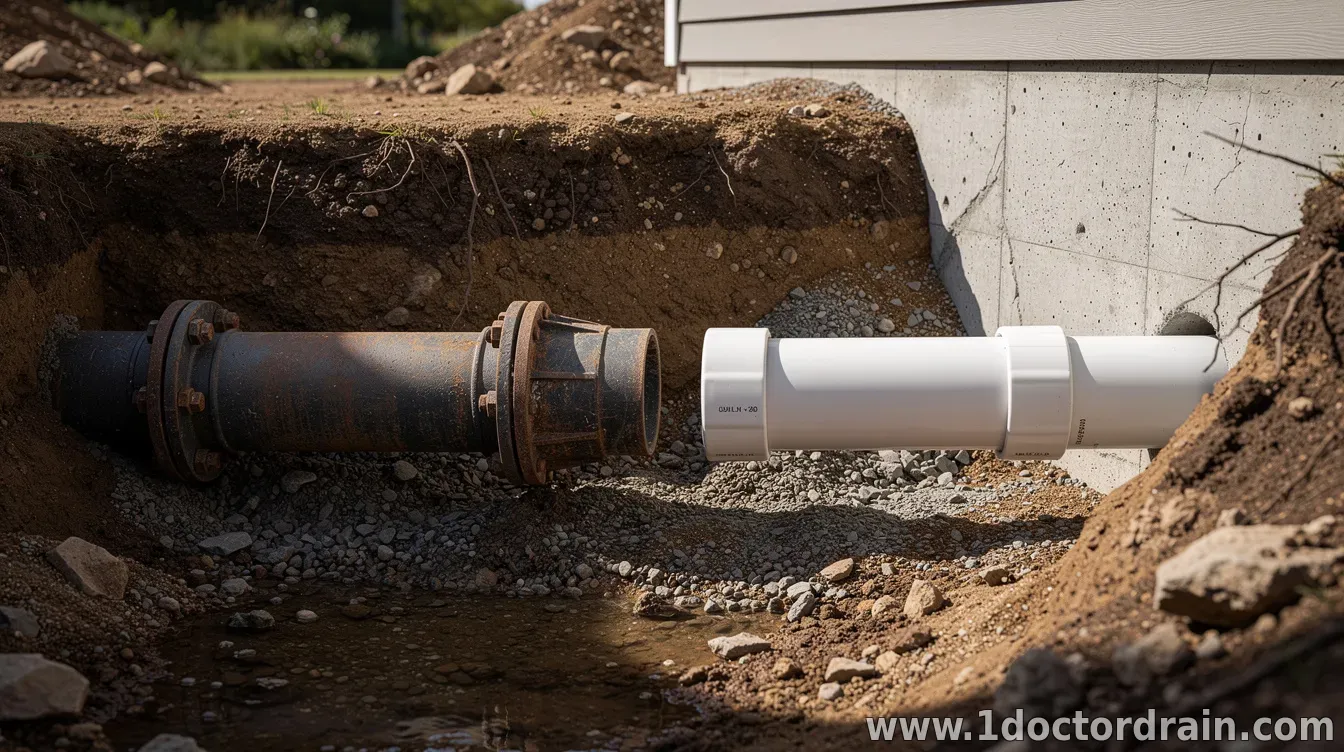
A sewage ejector pump is a type of wastewater pump designed to move sewage and other heavily contaminated water from locations below the level of a sewer line. When gravity drainage won’t work—such as basements, below-grade bathrooms, or pits—an ejector pump helps route waste to a main drain or septic system.


Unlike clean-water pumps, sewage ejector pumps are built to handle solid waste and higher concentrations of organic matter. Many models use a grinder or macerating system to reduce particle size, helping prevent clogs.


How a sewage ejector pump works


Most sewage ejector systems include a sealed sump or tank, a pump, and a set of controls (often a float switch). As wastewater collects in the tank, the pump is triggered once the liquid reaches a certain level. The pump then pushes the waste through a discharge pipe—usually into a higher drain ... Read more »


Added: admin 04/13/2026 into the category «Doctor Drain» Views: 66 Commets: 0
More


Main Line Rodding: How It Clears Home Sewer Blockages

Main Line Rodding: How It Clears Home Sewer Blockages


Main line rodding is a drain-clearing method used when a home’s main sewer line becomes restricted or blocked. For homeowners facing slow drains, gurgling sounds, or wastewater backups, rodding can help address the problem by reaching deep into the sewer system and dislodging obstruction material.


Unlike some quick fixes, main line rodding targets the likely source of trouble along the main line—where clogs can form due to material buildup, accidental debris, or other disruptions that prevent sewage from moving normally.


What causes main sewer line blockages?


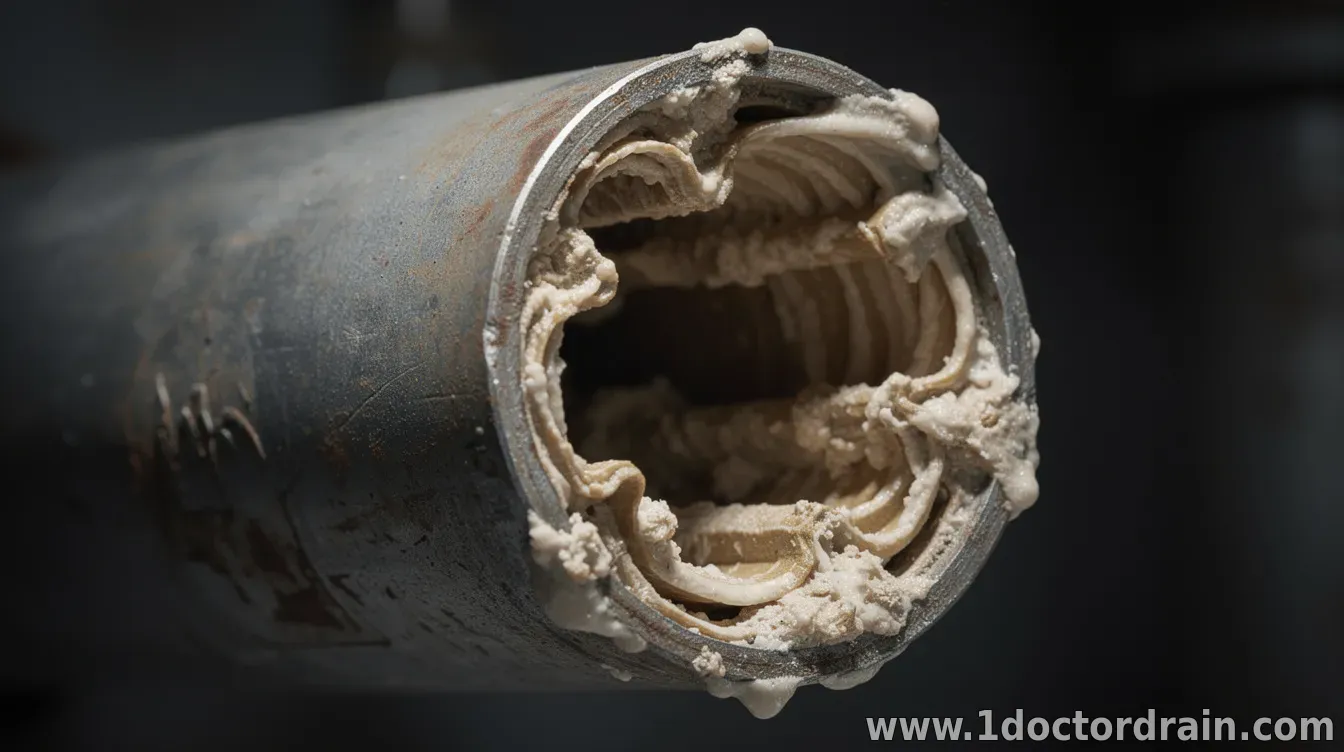
Blockages in a main sewer line can be caused by a range of everyday issues. Grease and cooking residue may accumulate over time, while hair, soap scum, and foreign objects can contribute to narrowing. In some homes, tree roots can infiltrate small openings and gradually create a growing obstruction.


Seaso ... Read more »


Added: admin 04/12/2026 into the category «Doctor Drain» Views: 58 Commets: 0
More


Why Drains Clog: Common Causes and What to Check

Why Drains Clog: Common Causes and What to Check


Drain problems can be caused by many different factors, and the underlying reason matters because the right solution depends on what’s actually blocking the flow. A slow drain today can turn into a full backup if the cause is ignored—especially when multiple fixtures share the same line.


One of the most frequent causes is a buildup of hair and soap residue. In showers and bathrooms, hair can form a mat that traps other materials, while soap scum and shampoo thicken the blockage over time. This often shows up as gurgling sounds or water draining more slowly than usual.


In kitchens, grease is a major culprit. Cooking oils and fatty food particles can cool inside pipes and stick to the interior surfaces, gradually narrowing the passage. Over time, even small amounts of grease—combined with food debris—can lead to persistent clogs and odors.


Another common factor is foreign objects and debris. I ... Read more »


Added: admin 04/11/2026 into the category «Doctor Drain» Views: 52 Commets: 0
More


« 1 2 ... 7 8 9 10 11 ... 30 31 »