BLOG

Home BLOG

☎ 312-532-6435

Drain сleaning serviсe, clogged drain, sewer cleaner, IL

Home » Doctor Drain
Property Manager Drain Checklist to Prevent Tenant Complaints

Property Manager Drain Checklist to Prevent Tenant Complaints


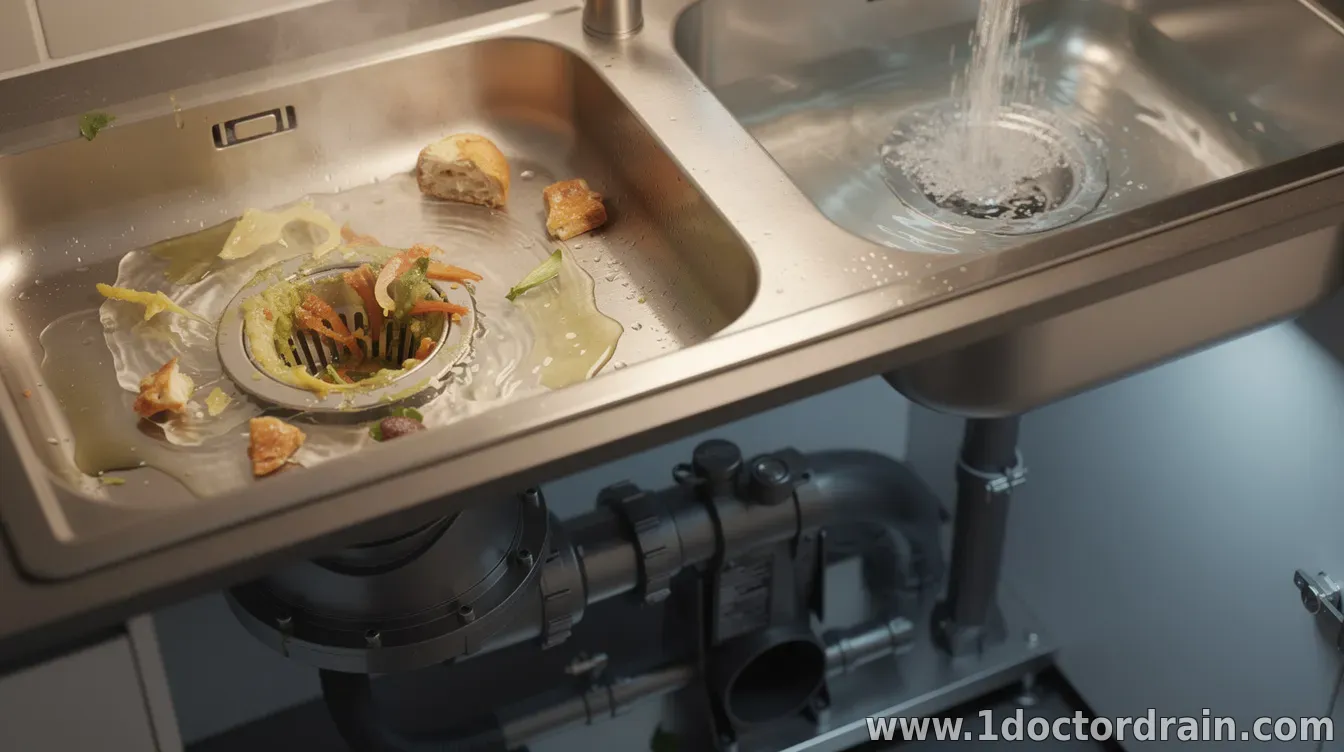
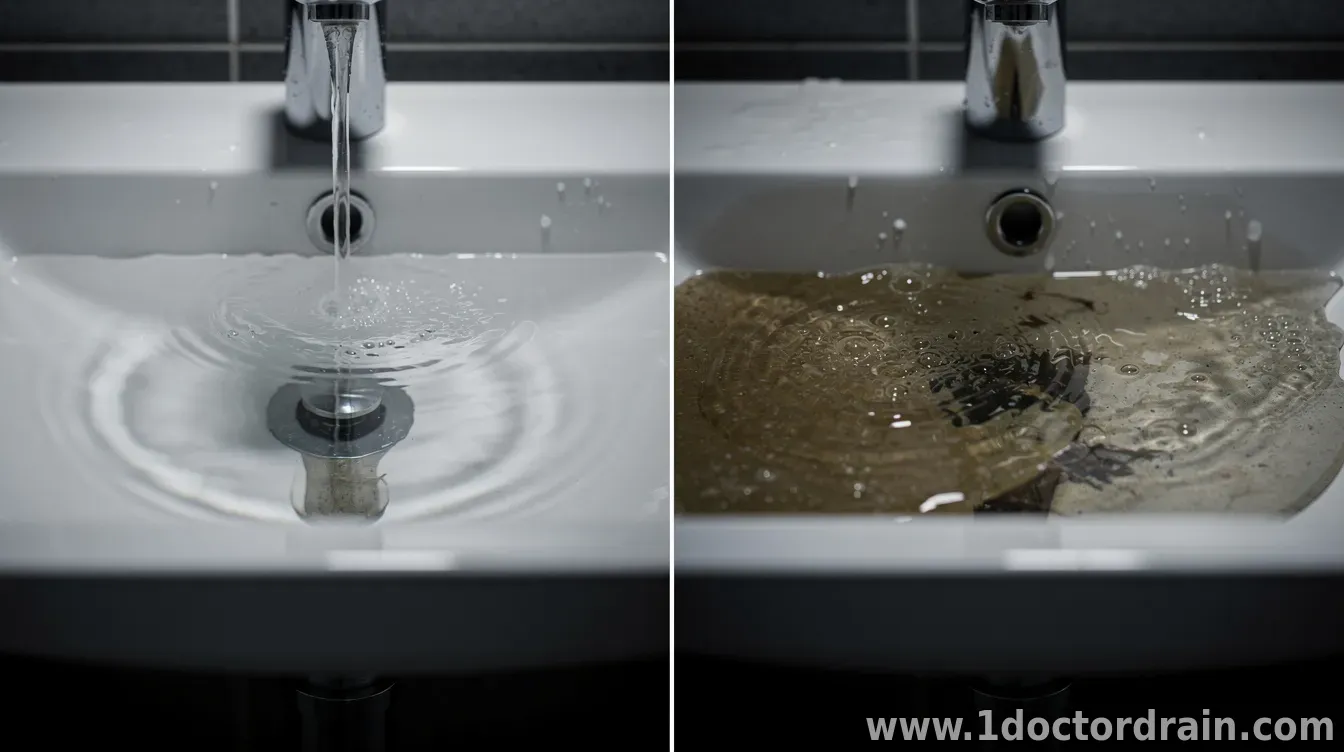
Tenant complaints about slow drains, foul odors, standing water, or recurring clogs rarely come out of nowhere. In many buildings, the root cause is predictable: gradual buildup in traps and lines, missed inspections, delayed snaking or hydro-jetting, or seasonal strain after storms and temperature swings. A structured drain checklist gives property managers a consistent way to prevent failures—before they escalate into service requests and disputes.


Start with a pre-inspection routine


Before sending staff into units or scheduling vendors, property managers should confirm what “normal” looks like for each property and system. Track recent complaint dates, note which fixtures are affected (kitchen sink, tub, shower, floor drains, laundry standpipes), and review past work orders and cleaning history. This context helps prioritize high-risk areas and supports faster diagnosis during the next inspection.

  ... Read more »

Added: admin 06/06/2026 into the category «Doctor Drain» Views: 105 Commets: 0
More


Chemical Drain Cleaners vs Professional Rodding: What Works

Chemical Drain Cleaners vs Professional Rodding: What Works


Chemical drain cleaners and professional rodding both aim to clear blocked pipes, but they typically work in different ways. Chemicals dissolve certain materials, while rodding physically breaks up and removes clogs—often addressing the root cause rather than just the symptom.


Which option “works” best depends on the clog’s composition (grease, hair, scale, or debris), the condition of your plumbing, and the risks involved with repeated chemical use.


What chemical drain cleaners can (and can’t) do


Most over-the-counter chemical products rely on caustic or oxidizing agents to react with specific clog components. In straightforward cases—such as a buildup of organic matter in a household line—they may improve drainage.


However, they are much less reliable when a clog is primarily physical (tree roots, hardened sludge, or compacted debris). In those ... Read more »


Added: admin 06/05/2026 into the category «Doctor Drain» Views: 95 Commets: 0
More


High-Rise Drain Stacks: Common Problems and Solutions

High-Rise Drain Stacks: Common Problems and Solutions


In high-rise buildings, drain stacks are the backbone of daily wastewater evacuation. Yet stack systems are under constant pressure—high fixture demand, long vertical runs, and aging components—so problems can develop quietly before they become visible as leaks, blockages, or persistent odors.

Maintenance teams typically see recurring failure patterns across buildings, from incorrect venting to pipe deterioration and installation details that make performance degrade over time. Addressing these issues early helps prevent costly floor-by-floor disruptions and repeat service calls.


1) Slow drainage and recurring clogs


One of the most common stack-related complaints is slow draining, especially when multiple fixtures are used in sequence. In many cases, the root cause is partial blockage caused by grease, hair, mineral scaling, construction debris, or non-flushable materials that accumulate over time.

 < ... Read more »


Added: admin 06/04/2026 into the category «Doctor Drain» Views: 96 Commets: 0
More


How to Test Your Sump Pump Before Spring Rains

How to Test Your Sump Pump Before Spring Rains


As spring rains approach, homeowners with basements or crawl spaces should take time to confirm their sump pump is ready. A working pump can quickly move water away from your foundation, while a neglected system can fail right when it’s needed most.


Testing doesn’t have to be complicated, but it should be thorough. Use a safe, controlled approach to verify that the pump starts reliably, runs without unusual noise, and discharges properly—especially after a long winter or months of inactivity.


1) Start with a safety and power check


Begin by locating the pump, its power source, and any nearby circuit protections. Make sure the pump is plugged in or wired correctly and that the outlet or breaker is functioning. If your system includes a test switch, confirm it operates as expected. If the pump uses a cord, check for damage or loose connections; avoid testing with wet hands or in standing water. ... Read more »


Added: admin 06/03/2026 into the category «Doctor Drain» Views: 97 Commets: 0
More


« 1 2 ... 8 9 10 11 12 ... 45 46 »