0:21 AM Chemical Drain Cleaners vs Professional Rodding: What Works | |
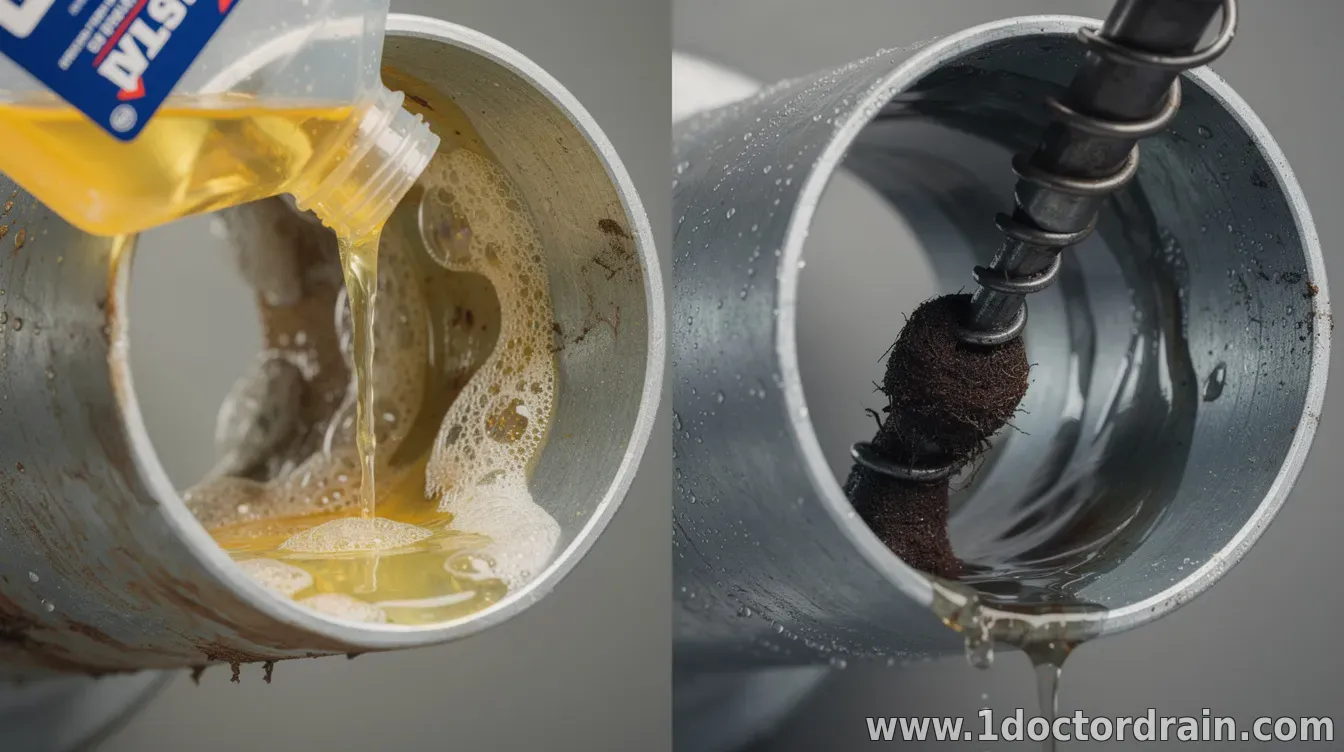
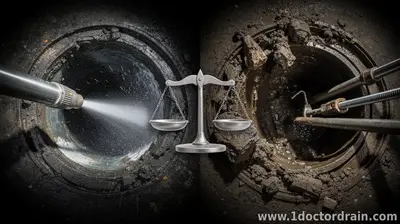
Chemical drain cleaners and professional rodding both aim to clear blocked pipes, but they typically work in different ways. Chemicals dissolve certain materials, while rodding physically breaks up and removes clogs—often addressing the root cause rather than just the symptom.
Which option “works” best depends on the clog’s composition (grease, hair, scale, or debris), the condition of your plumbing, and the risks involved with repeated chemical use. What chemical drain cleaners can (and can’t) do
Most over-the-counter chemical products rely on caustic or oxidizing agents to react with specific clog components. In straightforward cases—such as a buildup of organic matter in a household line—they may improve drainage.
However, they are much less reliable when a clog is primarily physical (tree roots, hardened sludge, or compacted debris). In those situations, chemicals can sit in the pipe without reaching the blockage, or only partially weaken it. Why professional rodding often clears the problem
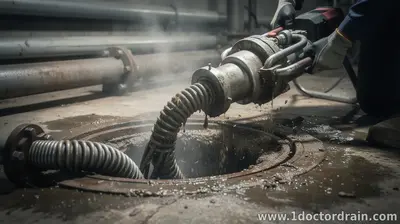
Professional rodding uses specialized tools (such as drain snakes or sectional machines) to reach deeper into the line. Instead of relying on chemical reactions, the equipment breaks up or pulls out the obstruction, helping restore flow more consistently.
Rodding also lets technicians assess what they’re dealing with. If the line is blocked by collapsed pipe, recurring grease buildup, or intrusion from roots, that information can guide the next step—repairs, additional cleaning, or camera inspection. Safety and plumbing-damage trade-offs
Chemical cleaners can pose risks to people and plumbing. Concentrated agents may irritate skin and lungs, and splashing or fumes can be dangerous. Repeated use can also create problems like residue buildup, which may make the blockage harder to clear later.
For pipes, certain products can be corrosive to specific materials or degrade plumbing components over time—especially when used repeatedly or when mixed with other chemicals. Professional rodding generally avoids these chemical exposure risks and doesn’t leave reactive residue behind. How to decide which approach to try
If you’re dealing with a slow-draining sink or shower and the clog seems minor, a cautious, limited chemical attempt may be reasonable—provided the product matches the problem and you follow label directions exactly.
If the drain is fully blocked, backups are occurring, water rises when you run other fixtures, or the issue repeats, rodding is often the more effective path. It’s also the safer bet after prior chemical treatments, since residue and partially dissolved material can complicate further attempts. What good outcomes look like
Professional rodding is typically paired with follow-up checks—such as running water after clearing, checking nearby fixtures, and, when needed, inspecting the line with a camera. This helps confirm the clog is truly gone and reduces the chance of it coming back quickly.
In contrast, chemical cleaners may offer temporary relief in some cases but fail to remove the underlying obstruction. When symptoms return, that often signals that the clog wasn’t fully cleared.
Bottom line: chemical drain cleaners can work for certain mild, chemistry-friendly clogs, but professional rodding tends to deliver more reliable results—especially for stubborn, physical, or deep-line blockages.
| |
|
| |
CALL ☎ Subscribe 👆
Next & Previous posts
Related materials:

CONTACT US 📩
Submit the form, we'll contact you as soon as possible!