1:30 AM Why Basement Floor Drains Get Ignored—and What to Do | |
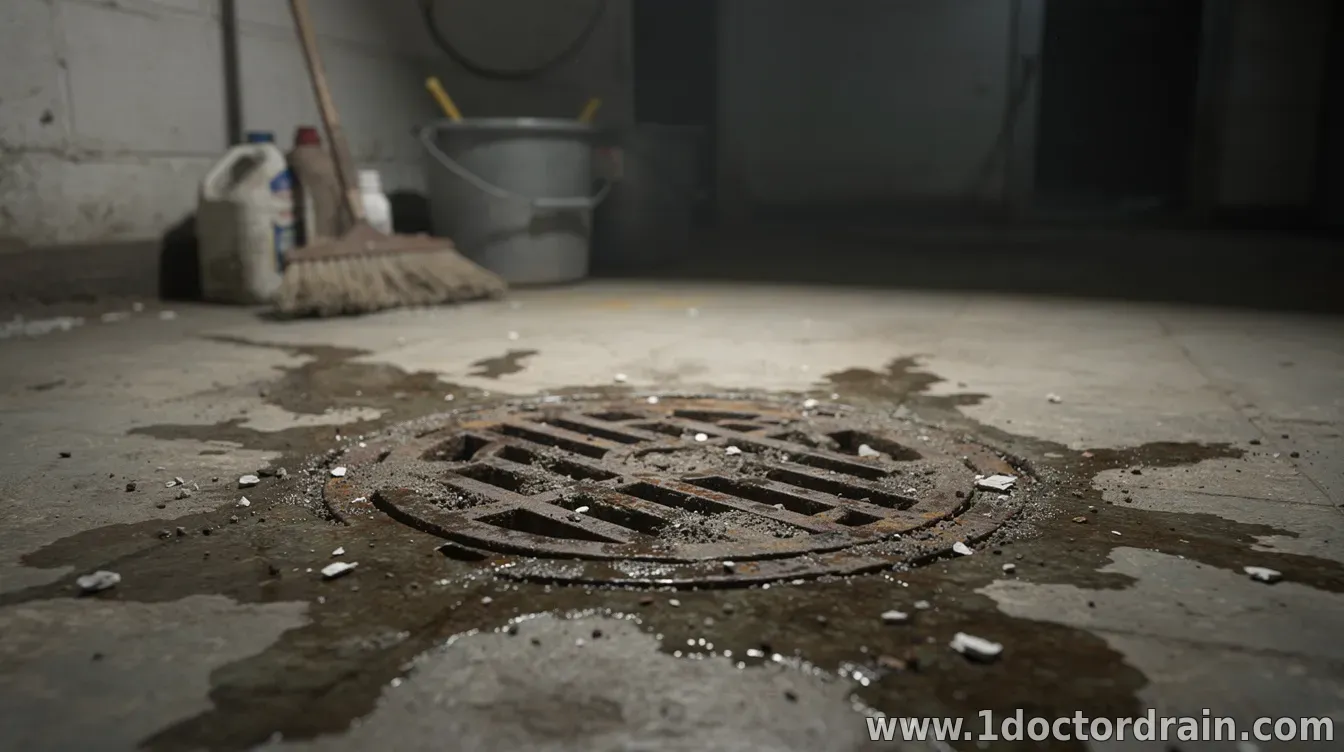
Basement floor drains are one of those household features many homeowners only notice when something goes wrong—usually after the drain backs up, starts smelling, or fails to handle a heavy rain. That “out of sight, out of mind” habit can turn a routine utility into a recurring problem, especially in homes where the drain is rarely used.
Here’s why basement floor drains get ignored, what goes wrong over time, and how to keep them reliable. 1) They’re easy to overlook—until they matter
Unlike sump pumps or gutters, floor drains don’t demand attention on a schedule. In many basements, they sit covered with a grate and are never needed day-to-day. If the system appears to be working “most of the time,” neglect often becomes the default—even though performance can degrade silently. 2) Sediment, hair, and debris build up
Even when a floor drain isn’t used frequently, fine debris can accumulate around the opening and within the plumbing below. Dust, soil tracked in on shoes, and small organic material can settle. Over time, that material reduces flow, making the drain slower to clear water from the floor.
During periods of heavy rainfall, the extra load can expose that weakness, leading to pooling, backing up, or water that takes longer to move out of the basement. 3) Trapped air and dry traps cause odors
Many basement floor drains rely on a trap or water seal to block sewer gases from entering the home. When the drain isn’t used, the seal can evaporate or be disturbed, allowing odors—and sometimes gases—to seep upward through the grate. This is a common reason drains “suddenly” start smelling after months or years of neglect.
Bad smells aren’t just unpleasant; they’re a sign the drainage system may not be sealing properly. 4) The outlet can be partially blocked
Floor drains typically connect to a home’s drainage system or a municipal line. If the outlet line develops a partial blockage—due to buildup, root intrusion, or material settling—the drain can still allow small amounts of water to pass while failing under higher flow. That means problems may not be obvious during dry weather.
Homeowners often discover this only during storms or when appliances and laundry-related water are introduced to the basement environment. What to watch for
Ignoring minor warning signs is where small issues become expensive. Consider scheduling maintenance if you notice:
If multiple signs appear at once, it’s a strong indicator the drain needs attention before the next heavy rain. A practical maintenance routine
You don’t need a complex setup to keep basement floor drains functioning. Start with regular, low-effort steps and escalate if performance is still inconsistent.
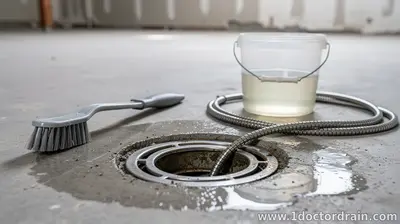
First: clear surface debris. Remove the grate if possible and clean out sediment and material caught around the opening. Use a brush and rinse thoroughly, keeping water from spreading across the basement floor.
Next: check water flow. After cleaning, run water into the drain in a controlled amount to confirm it clears normally. If it drains slowly, continue with deeper cleaning or consider a professional inspection.
Then: address odors and sealing. If your drain has a trap, ensure the water seal is present. In cases where the seal repeatedly dries out, you may need a different approach or service to confirm the trap and connected plumbing are operating correctly.
Finally: plan for seasonal heavy use. Before storm season or winter weather swings, do a quick check and cleaning so the system can handle sudden surges.
For persistent slow drainage, repeated odors, or suspected blockage beyond routine cleaning, hiring a licensed plumber or drainage professional can help identify the root cause—whether it’s a partial obstruction, damaged piping, or a connection issue.
Basement floor drains are designed to be dependable, but they can’t do their job well if they’re ignored for too long. A short maintenance routine—and attention to early warning signs—can keep your basement drier, reduce unpleasant odors, and prevent the next backup from becoming a major cleanup.
| |
|
| |
CALL ☎ Subscribe 👆
Next & Previous posts
Related materials:
CONTACT US 📩
Submit the form, we'll contact you as soon as possible!