2:34 AM Floor Drain Backing Up: Common Causes and What to Do | |
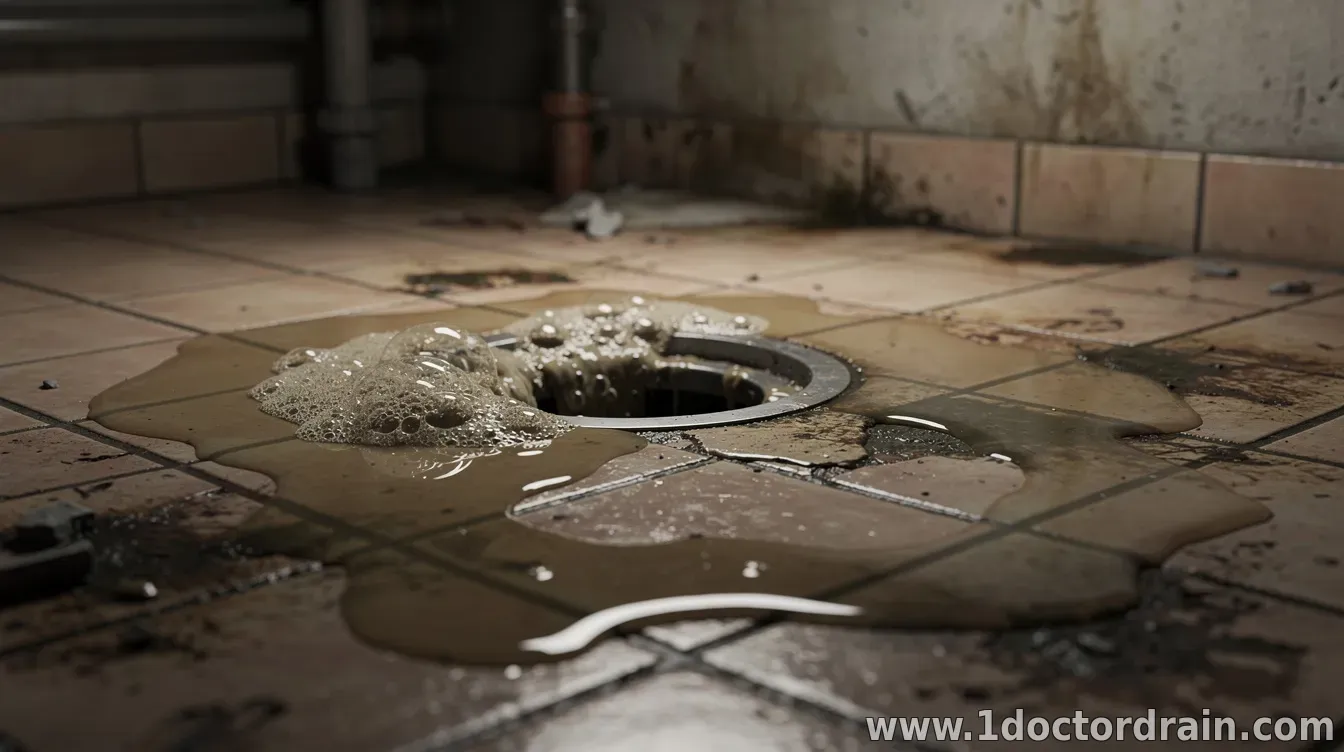
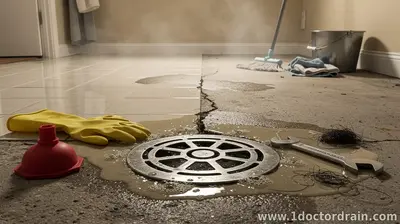
When a floor drain backs up, it’s more than an inconvenience. Standing water in a basement, laundry area, or garage can create odors, damage floors and belongings, and, in some cases, indicate a problem further down the plumbing line.
While the exact cause varies, most floor drain backups fall into a few predictable buckets: blockages near the drain, problems in the building’s trap or venting, or—less commonly—issues in the municipal sewer or neighboring property. 1) The most common culprit: a clog in or near the drain
Hair, soap residue, dirt, leaves, grit, and small debris can accumulate and eventually block flow. Grease and sludge are especially common in drains connected to utility sinks, mop water, or areas where cooking-related residue is washed away.
Clogs can be localized—right at the strainer, inside the drain body, or in the short run between the drain and the rest of the piping. 2) Venting or plumbing traps that aren’t working properly
Some floor drains rely on proper venting to keep water moving smoothly. If vent lines are blocked or improperly routed, you may notice slow draining, gurgling, or intermittent backups—often worse after heavy use.
In addition, a trap (where applicable) can fail due to buildup or incorrect installation. When trap performance is compromised, you can get poor drainage and foul odors. 3) A blockage further down the main line
If multiple drains—such as a toilet, bathtub, or sink—also drain slowly or back up, the issue is more likely in the main sewer line or a shared segment of piping. Tree roots, collapsed sections of pipe, or accumulated material deeper in the line can restrict flow and push water back toward the lowest fixtures.
In these scenarios, repeated attempts to clear the drain may not solve the root problem, and forcing water through can sometimes worsen pressure and overflow risk. 4) Backflow from the sewer or stormwater system
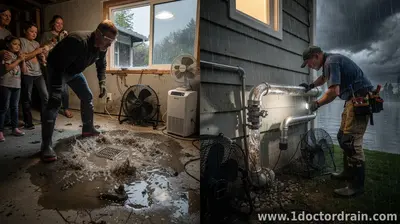
Sometimes the drain “backs up” because the system carrying wastewater away is overwhelmed—such as during heavy rain, high groundwater conditions, or when the sewer line downstream is restricted. If the backup happens after storms or affects several properties on a street or block, municipal causes become more likely.
Homes without proper backflow prevention may be more vulnerable, particularly in basements and low-lying areas.
What to do right now (safely):
When to call a plumber or sewer specialist immediately: If the backup is persistent, foul-smelling, accompanied by gurgling from other fixtures, or follows heavy rainfall, professional assessment can prevent damage and identify whether the blockage is internal, in the main line, or external.
Plumbers may use camera inspections to locate the blockage without guesswork, and they can evaluate whether a sump, check valve, or backflow preventer is missing or failing—common fixes for repeated sewer backflow.
In the meantime, document when the backup occurs (time, weather, which fixtures are used) and, if possible, share photos with the service provider. That information can speed up diagnosis and reduce trial-and-error.
| |
|
| |
CALL ☎ Subscribe 👆
Next & Previous posts
Related materials:
CONTACT US 📩
Submit the form, we'll contact you as soon as possible!