
0:52 AM Fall Drain Prep to Prevent Winter Pipe Freezes | |
Freezing pipes often start long before the coldest day of the year. In many homes, the first signals show up in fall: slow drains, gurgling sounds, lingering water in traps, and drafts around openings where cold air can reach plumbing.
By preparing drains and reducing how much cold air and water linger near vulnerable lines, homeowners can lower the odds of winter backups and freeze-related damage. 1) Clear drain flow before temperatures fall
Start with the basics: remove hair, grease, and debris from bathroom and kitchen drains so water doesn’t stagnate. Clean sink stoppers and strainers, and flush lines with hot water (only if your plumbing and local guidance allow it). If a drain is already slow in fall, it’s more likely to freeze or overflow during extreme cold. 2) Protect the “last few feet” where freezing starts
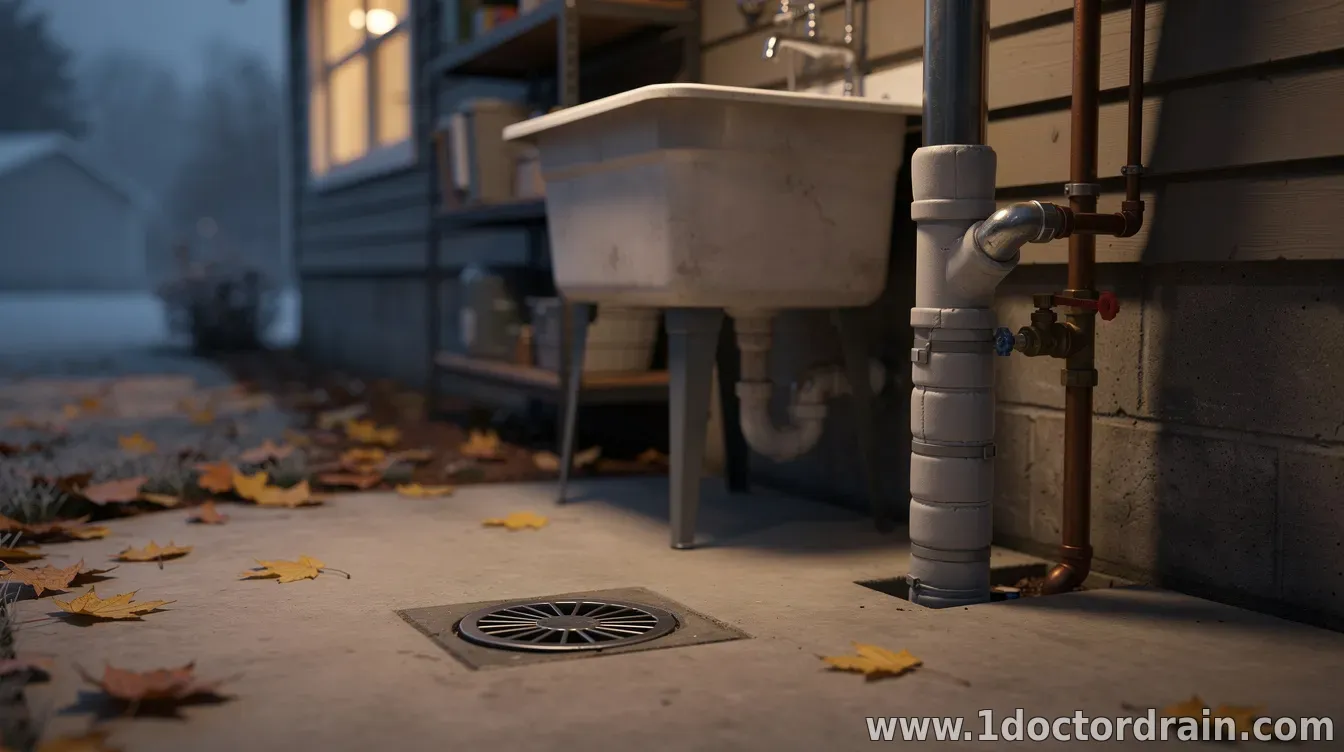
Pipes are often most at risk where they run through unheated areas—crawl spaces, basements, exterior walls, garages, and near where plumbing enters the home. Insulate exposed sections with foam pipe sleeves and secure them properly. Also seal gaps around pipes where drafts can sneak in; even small air leaks can chill water enough to freeze. 3) Improve exterior drainage and sump areas
If you have downspouts that discharge near the foundation, or yards that hold water near plumbing access points, address it in fall. Ensure gutters are clean and downspouts drain away from the house. Check sump pits and drainage routes so water doesn’t back up toward walls and utility penetrations.
For homes with yard lines or external fixtures, remove or shut down outdoor spigots according to manufacturer guidance. In many regions, this includes draining the outdoor line to prevent trapped water from freezing. 4) Reduce the chance of freeze during low-usage hours
During cold snaps, water sitting in traps and drains can be a problem—especially if water lines run through unheated spaces. Keep sink and tub drains clear and consider running a small amount of water through at typical freeze-risk times if local guidance suggests it. The goal is to avoid long periods where water remains in vulnerable pipes without movement.
For bathrooms and laundry areas on exterior walls, check insulation coverage and look for signs of moisture or drafts. Addressing these issues in fall is often simpler and less expensive than emergency repairs after a freeze.
As winter approaches, the best strategy is prevention: clear drains to maintain flow, insulate and seal vulnerable plumbing runs, and make sure exterior drainage directs water away from the home. If you’re unsure where your most vulnerable pipes run—or your home has a history of slow drains or freezing—consider a professional assessment before the first sustained freeze.
Taking these steps in fall can help keep drains moving and reduce the likelihood that a minor clog or draft becomes a major winter problem.
| |
|
| |
CALL ☎ Subscribe 👆
Next & Previous posts
Related materials:

CONTACT US 📩
Submit the form, we'll contact you as soon as possible!