1:16 AM Special Drain Requirements for Healthcare Facilities | |
Healthcare facilities must manage wastewater differently than many other buildings. Because drainage systems can carry pathogens, chemicals, and contaminated water from clinical areas, special requirements are often applied to help limit exposure, reduce cross-contamination, and ensure regulatory compliance.
While exact rules vary by country and facility type, the core goal is consistent: contain potentially infectious waste streams, prevent backflow and leaks, and ensure that drains and pipes remain reliable under frequent use. Why healthcare drainage is treated differently
Clinical spaces may generate effluent from patient care activities, lab work, sterilization processes, and cleaning chemicals. Even when wastewater is diluted, it may still contain organisms that require additional safeguards. Drainage failures—such as odors, slow flow, sewer line backups, or damaged pipework—can increase the chance of contamination inside buildings. Key design and protection measures
Special drain requirements commonly focus on containment and prevention. Facilities often implement backflow prevention devices, sealed drainage components, and properly vented pipework to reduce the risk that contaminated water moves in the wrong direction or escapes into occupied areas.
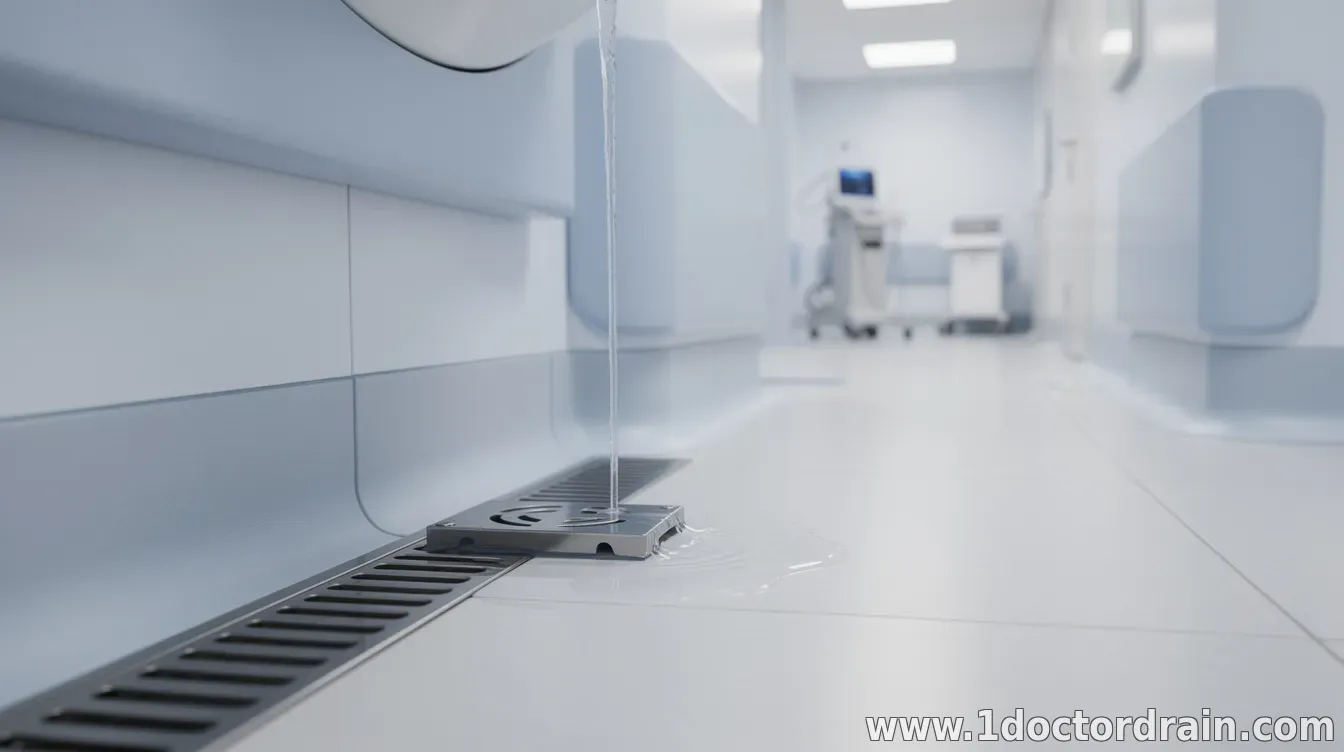
Drain layouts may also separate higher-risk clinical effluent from general wastewater streams where feasible, and specify materials and pipe grades suitable for anticipated chemicals and cleaning agents. In rooms with higher contamination risk, floor drains and traps may require enhanced sealing and maintenance access to support inspection. Handling and routing clinical effluent
Many standards emphasize correct routing for wastewater that may be infectious or generated in specific processes. Instead of mixing everything into a single drainage line without controls, facilities may require dedicated lines or controlled discharge points that match the facility’s wastewater treatment approach.
For some settings, pre-treatment—such as disinfection or controlled handling before discharge—may be specified based on risk assessments, local regulations, and the nature of the waste stream. Where neutralization of chemicals is required, drainage design typically accounts for safe discharge conditions and compatible materials. Maintenance, monitoring, and staff safety
Even well-designed systems can become unsafe if they degrade or are neglected. Healthcare operators are frequently expected to run preventive maintenance schedules, including checks of traps, seals, venting, and backflow preventers. Inspections may also cover corrosion, blockages, and evidence of leakage around drains.
Because cleaning practices can introduce chemicals into drains, facilities often need clear protocols for how and where detergents, disinfectants, and other substances are introduced. Training and documented procedures help reduce the risk of incompatible mixtures, unexpected clogging, or damage to piping. What facility managers should do next
Most organizations handle drainage compliance through a combination of risk assessment, design review, commissioning, and ongoing verification. If you are updating or expanding a facility, the process typically involves confirming applicable local codes, evaluating clinical risk areas, and ensuring that contractors understand drainage segregation, backflow prevention, and maintenance access requirements.
Engaging infection-control specialists, plumbing engineers, and compliance teams early can help translate regulatory expectations into practical design choices—reducing the likelihood of operational surprises after occupancy.
| |
|
| |
CALL ☎ Subscribe 👆
Next & Previous posts
CONTACT US 📩
Submit the form, we'll contact you as soon as possible!