1:57 AM Tips for Avoiding Sewage Ejector Pump Problems | |
Maintaining a sewage ejector pump is essential for preventing backups and costly damage in homes with basement or below-grade bathrooms. Regular checks and mindful usage can dramatically extend the pump’s life and reliability.
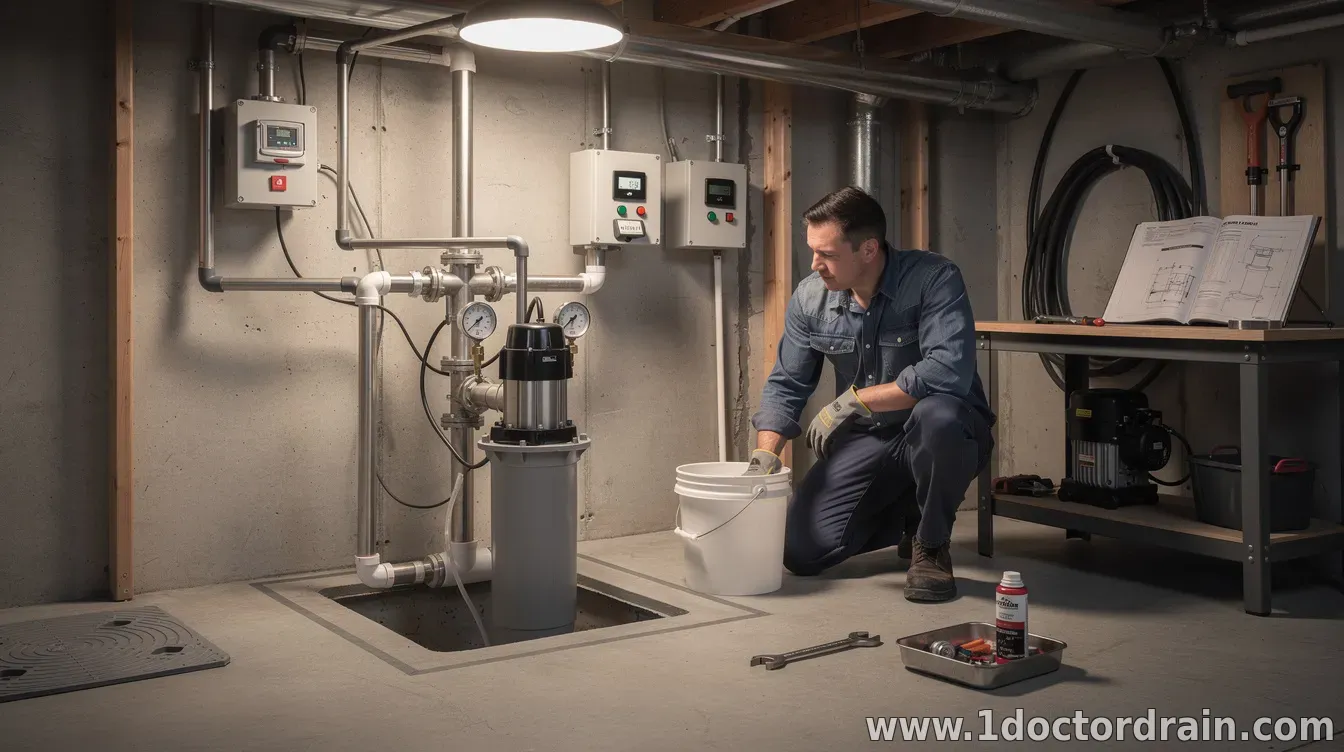
Know your system and its limits: A sewage ejector pump typically sits in a sealed pit and handles solids that gravity-based drains cannot manage. Confirm the pump’s horsepower, float switch type, and discharge line diameter in the owner’s manual. Matching components to your home’s wastewater load reduces strain and failure risk.
Schedule routine inspections: At least once a year, inspect the pit for debris, dampness, or odors that indicate seal or gasket wear. Listen for unusual noises when the pump runs, which can signal impeller wear or motor strain. If you notice a drop in pumping efficiency, address it promptly rather than waiting for a full failure.
Keep the discharge line clear: Ensure the discharge line is free of obstructions and sloped correctly to prevent backflow. A blocked or poorly pitched line forces the pump to work harder, shortening its lifespan. Inspect nearby yard drainage and check valves for proper operation.
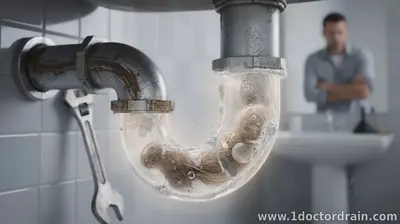
Mind what goes into the system: Only appropriate wastewater should enter the ejector pit. Fats, oils, grease, wipes, sanitary products, and other non-flushables can accumulate and create backups. Implement a simple disposal policy with household members to minimize clogs.
Protect against power and moisture issues: Use a dedicated circuit with a GFCI or AFCI breaker where required, and install a high-quality junction or control box to guard against moisture intrusion. A battery backup or water-powered backup system can prevent backups during power outages.
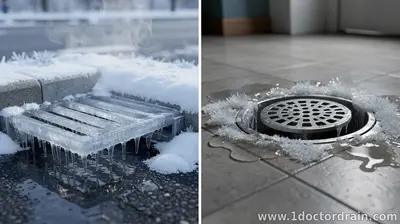
Seasonal and climate considerations: In cold climates, ensure the pit is adequately insulated to prevent freeze-thaw damage to the discharge line and check valve. In humid basements, monitor humidity and consider a sump dehumidifier to reduce condensation around the pit area.
What to do if backups occur: If wastewater backs up, stop using fixtures connected to the system and call a licensed plumber. Do not attempt to force a blockage or run the pump dry, which can burn the motor. Have the pump inspected for impeller damage, seal leaks, and electrical safety.
By combining proactive inspections, mindful usage, and proper installation, homeowners can reduce the frequency of sewage ejector pump problems and protect their basement spaces from costly damage.
| |
|
| |
CALL ☎ Subscribe 👆
Next & Previous posts
Related materials:
CONTACT US 📩
Submit the form, we'll contact you as soon as possible!