1:04 AM Do Residential Homes Need Grease Traps? | |
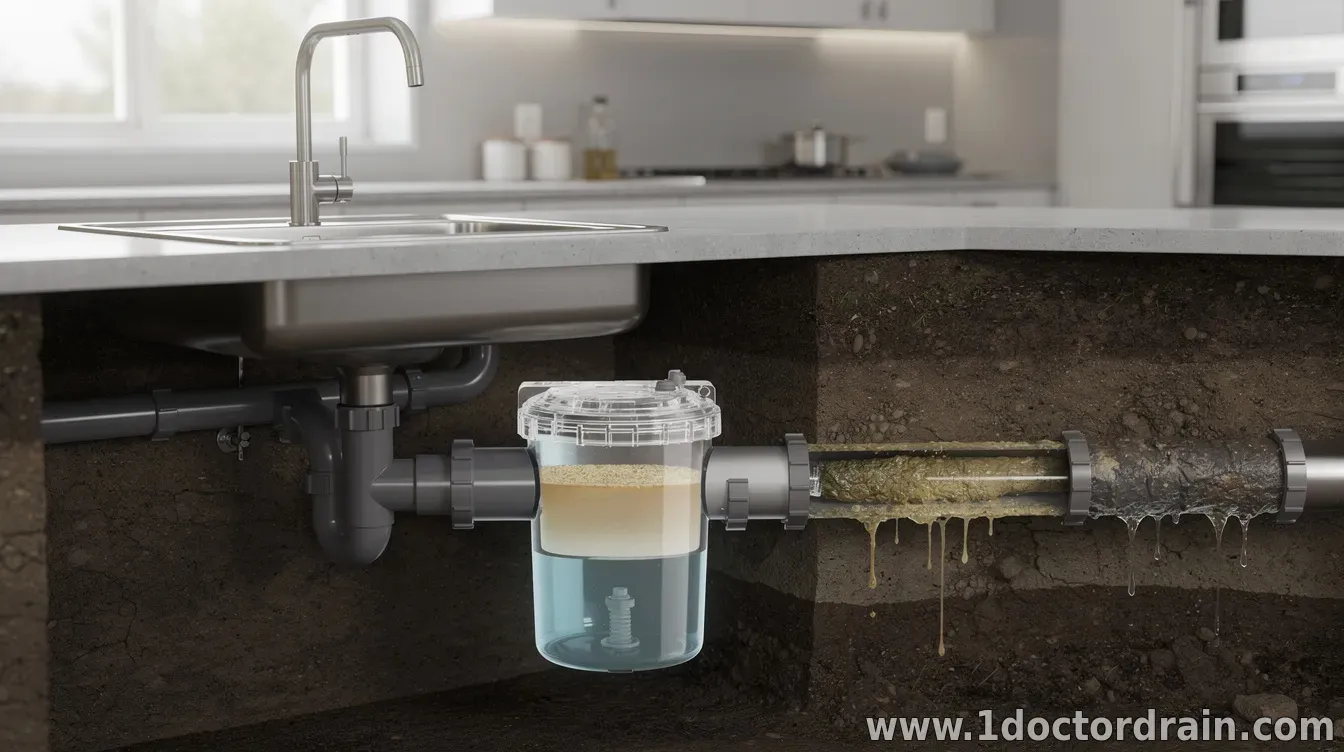
Grease traps are designed to capture fats, oils, and grease before they can clog sewer lines. While they’re standard for many commercial kitchens, residential use is less straightforward. Whether a home “needs” a grease trap depends largely on local regulations and the household’s plumbing practices.
In most single-family homes, grease automatically enters the wastewater system after washing dishes and cooking—often without a trap. That’s because typical household volumes are generally lower and many communities rely on conventional sewer infrastructure to handle routine residential waste. When residential grease traps may be required
Some jurisdictions require grease management at certain properties, even if they aren’t restaurants. The trigger is usually the presence of regular grease-producing activities that create higher-than-normal discharge. For example, inspections and code requirements may apply to:
In these cases, an owner may be required to install a grease interceptor (sometimes called a grease trap or grease interceptor depending on the design) and to maintain it on a defined schedule. When they’re usually optional
For standard households that cook at home and send typical dishwashing wastewater into municipal sewers, grease traps are often not mandated. Instead, guidance tends to focus on preventing grease from entering drains in the first place. Many plumbing professionals recommend measures such as wiping plates and cookware before washing, avoiding pouring cooking grease down sinks, and using proper disposal methods for food scraps and solid residues.
In addition, homeowners should be cautious with “garbage disposal plus extra grease” behavior. Disposals can break food into smaller pieces, but they don’t eliminate the problem of fats that cool and solidify inside pipes. The practical question: what problem are you trying to solve?
Even when not legally required, a grease interceptor can become a practical solution if there are recurring plumbing issues—such as slow drains, frequent cleanouts, or sewer backups—linked to kitchen grease. Some properties also benefit if they have older pipes, constrained access for maintenance, or history of grease-related blockages.
However, installing a grease trap without addressing habits can lead to disappointment. A trap only works if grease is captured consistently and maintenance is performed. Otherwise, the unit may fill with waste or become ineffective. How maintenance and costs typically work
Grease traps/interceptors aren’t “install and forget.” Over time, captured grease and solids accumulate and must be removed by a licensed service provider, following local requirements. Homeowners should budget for periodic pumping and inspections, and they may need to keep records to satisfy inspections or permit conditions.
Because regulations vary widely, homeowners should not rely on generalized online advice. The most reliable approach is to confirm with the local sewer authority, city permitting office, or a qualified plumber familiar with regional codes. What to do if you’re unsure
If you’re deciding whether a grease trap is needed, start by checking your local rules and your property setup. Consider asking the following:
In parallel, adopting grease-reduction practices can protect your pipes regardless of whether a trap is installed. Keeping grease out of sinks is often the simplest and most cost-effective step for preventing clogs.
Bottom line: Residential homes usually don’t need grease traps under typical household conditions, but requirements can apply to certain property types and usage patterns. If you experience persistent kitchen-drain issues or operate a home-based food operation, it’s worth verifying local code and discussing options with a qualified professional.
| |
|
| |
CALL ☎ Subscribe 👆
Next & Previous posts
CONTACT US 📩
Submit the form, we'll contact you as soon as possible!