3:12 AM From DIY drain unclogging to comprehensive clogged drain solutions | |
Clogged drains are one of the most common home maintenance headaches. They can arise in sinks, showers, or toilets and often start with a slow drainage or a sudden, stubborn blockage. For many homeowners, the first impulse is a quick DIY fix drawn from household tips or store-bought remedies.
Lead detail: This article outlines practical DIY unclogging attempts, explains why they work or fail, and then presents a spectrum of professional and long-term solutions for comprehensive drain care. Common DIY methods and what they do
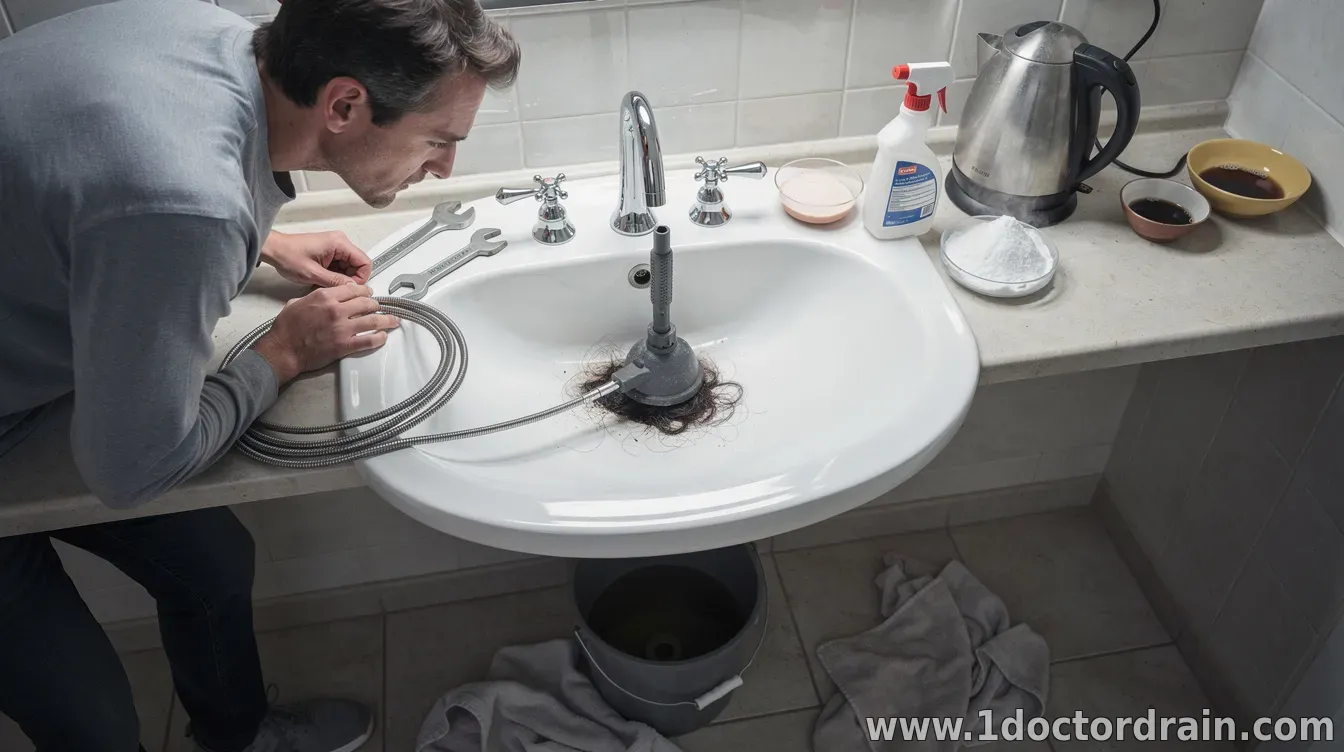
Initial efforts typically involve plunger use, hot water flushes, or a simple kitchen drain snake. Plungers can dislodge small clogs in sinks and toilets when used with proper technique and a good seal. Running hot water with dish soap can help in grease-related blockages, particularly in kitchen drains. A closet auger or hand-crank snake can reach deeper blocks, but it may not clear mineral deposits or tree roots that require more advanced intervention.
Chemical drain cleaners are widely available but come with caveats. They can damage pipes, especially if used in old or metal plumbing, and they often provide only a temporary fix. Always follow product instructions and consider venting and safety precautions when using caustic or enzymatic formulas. When DIY stops being enough
If multiple fixtures are affected, if the water backs up or drains very slowly after several attempts, or if a strange odor or gurgling sounds persist, it’s time to escalate. Recurrent clogs may indicate deeper issues such as pipe damage, improper slope, or a clogged main line that requires professional diagnosis.
Experts typically begin with a video inspection to pinpoint the blockage’s location and nature. Depending on the finding, options range from extended snaking, hydro-jet cleaning to remove mineral buildup, to more involved repairs or pipe replacement in extreme cases. Comprehensive solutions for long-term drain health
Beyond immediate unclogging, a proactive approach includes regular maintenance and prevention strategies. This can involve installing screens to catch debris, avoiding repeated chemical use, and scheduling periodic professional cleanings for heavily used drains.
Practical steps include: (1) mapping your plumbing layout to understand potential trouble spots, (2) treating drains with enzyme-based cleaners periodically to maintain flow without harsh chemicals, (3) addressing underlying causes such as grease buildup, hair, or mineral deposits, (4) considering a home main-line inspection if you notice frequent blockages, and (5) budgeting for occasional professional cleans to preserve pipe integrity.
For homeowners, weighing the cost and risk of DIY methods against the benefits of professional services is essential. While DIY fixes can relieve a momentary clog, a comprehensive plan ensures smoother drains and fewer emergencies down the line.
In summary, start with safe, simple DIY approaches, but recognize the signs that point toward professional intervention. With a balanced strategy, you can keep drains flowing and extend the life of your plumbing system.
| |
|
| |
CALL ☎ Subscribe 👆
Next & Previous posts
Related materials:
CONTACT US 📩
Submit the form, we'll contact you as soon as possible!