1:25 AM Basement Drain Backup: Immediate Steps and Prevention | |
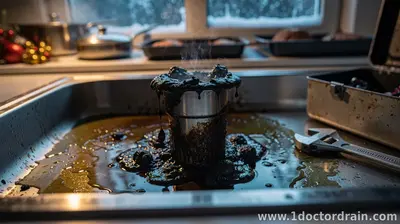
A basement drain backing up is stressful—and it can turn dangerous fast. Standing water may contain sewage, mold spores, and bacteria, especially if the backup is coming from a sewer line. The goal is to stop the immediate risk, reduce damage, and figure out what caused the blockage so it doesn’t repeat.
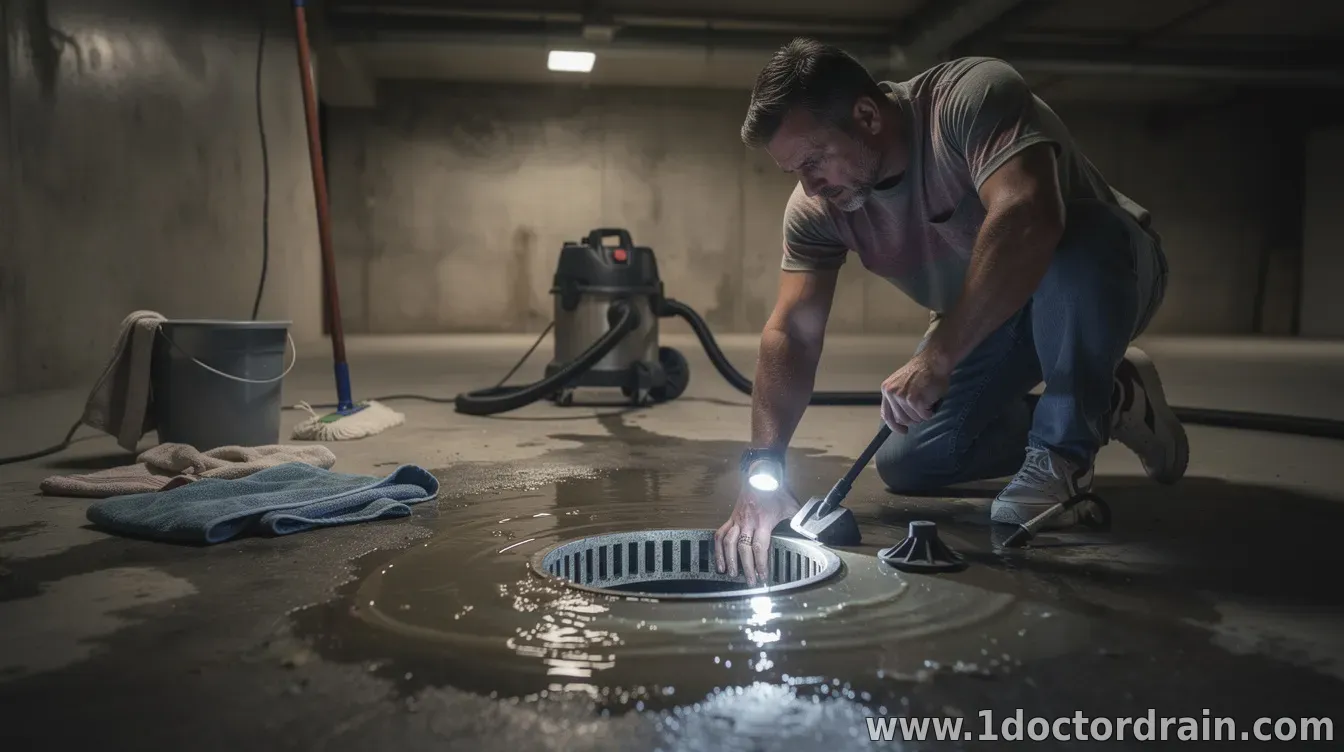
First, assess safety and contamination. If you suspect the water is sewage (brown/black color, foul odor, toilet or main drain gurgling, or multiple fixtures backing up), treat it as hazardous. Keep people and pets away. Avoid direct contact, and if you must enter, wear protective gear (gloves, waterproof boots, eye protection) and ensure good ventilation.
Next, reduce water intrusion immediately. If there’s a nearby shutoff valve for the basement plumbing, use it if you can do so safely. Turn off power to affected areas if water is near electrical outlets, and move anything valuable to a dry location. If a pump is available (e.g., a sump pump), ensure it’s running and not blocked by debris.
Remove standing water carefully. Use a wet/dry vacuum rated for contaminated water if needed, or a pump designed for sewage situations. Don’t mix chemicals (for example, don’t combine bleach with other cleaners). After water is removed, ventilate the space and begin drying as quickly as possible—fans, dehumidifiers, and quick drying are critical to limiting mold. How to figure out the cause
Basement drain backups typically come from a clog, a buildup of debris, a failed or overloaded sump system, or weather-related sewer surcharging. If the backup happens during heavy rain and other drains gurgle, the issue may be tied to the sewer line. If it’s isolated to one drain or area, the blockage may be closer to the basement plumbing.
Look for clues: slow drainage in multiple fixtures (suggests main line), a single blocked floor drain (suggests local clog), or recent changes like landscaping runoff, collapsed or misaligned piping, or tree root intrusion. If you have access to a clean-out, a licensed plumber can evaluate the line using inspection tools. When to call a professional (and why)
Consider hiring a plumber or sewer specialist if the water returns, the smell is strong or persistent, you can’t locate the source, or you suspect sewer-line involvement. Professionals can confirm whether it’s a local blockage or a main line problem and use appropriate equipment (such as sewer camera inspection) to avoid unnecessary damage.
If the backup involved significant flooding or contaminated water, you may also need an evaluation for drying and remediation. Mold can begin developing within days, and insurance coverage often requires documentation, so take photos and keep records of cleanup steps. Prevent future backups
Prevention usually comes down to keeping drains clear and managing overload risks. Avoid flushing grease, wipes, or debris that can build up. In rainy seasons, keep exterior drainage paths clear and ensure downspouts are directed away from the foundation. Schedule periodic inspections if you’ve had recurring backups—especially if you live in an area with older sewer infrastructure.
In the meantime, monitor for early warning signs: slow drains, recurring gurgling sounds, water backing up after storms, or sump pump cycling issues. Addressing small problems early can prevent a basement drain backup from becoming a larger repair or remediation event.
| |
|
| |
CALL ☎ Subscribe 👆
Next & Previous posts
Related materials:
CONTACT US 📩
Submit the form, we'll contact you as soon as possible!