BLOG

Home BLOG

☎ 312-532-6435

Drain сleaning serviсe, clogged drain, sewer cleaner, IL

Home » Doctor Drain
Restaurant Drain Maintenance: Grease, Codes, Schedules

Restaurant Drain Maintenance: Grease, Codes, Schedules


Drain problems in restaurants rarely start as sudden failures. More often, they build quietly—through grease and food solids accumulating inside pipes, slowly narrowing flow paths until backups, odors, and emergency repairs follow. A practical maintenance plan can prevent most issues while also supporting compliance with local plumbing and wastewater requirements.


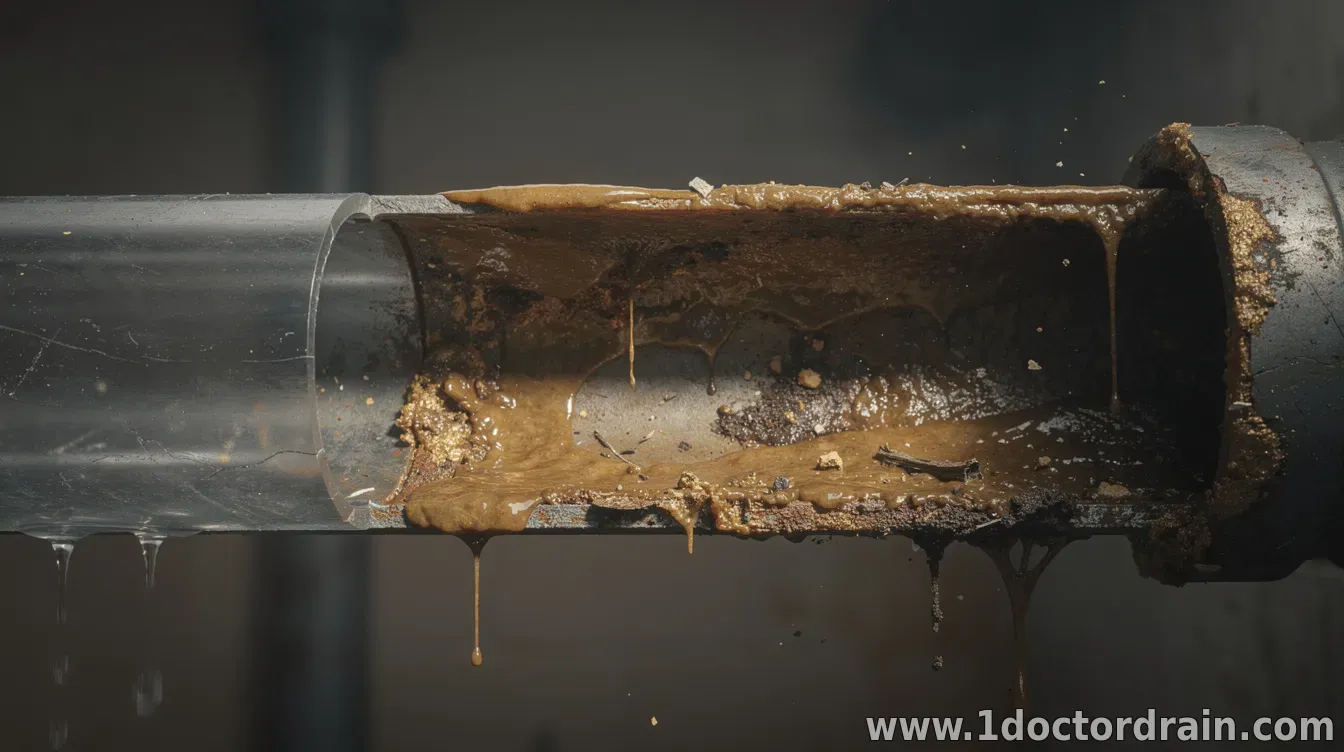
Grease is the primary driver of clogged drains. Kitchen wastewater can carry oils and fats that cool and harden on pipe walls. Over time, that residue traps other debris, including food particles and organic waste, forming blockages that are difficult to clear without specialized equipment. Many jurisdictions require restaurants to manage grease before it enters municipal sewer systems, typically through grease interceptors or approved alternatives.


What codes usually require (and what to document)


While details vary by city and ... Read more »


Added: admin 05/28/2026 into the category «Doctor Drain» Views: 55 Commets: 0
More


What Happens If Your Ejector Pump Fails?

What Happens If Your Ejector Pump Fails?


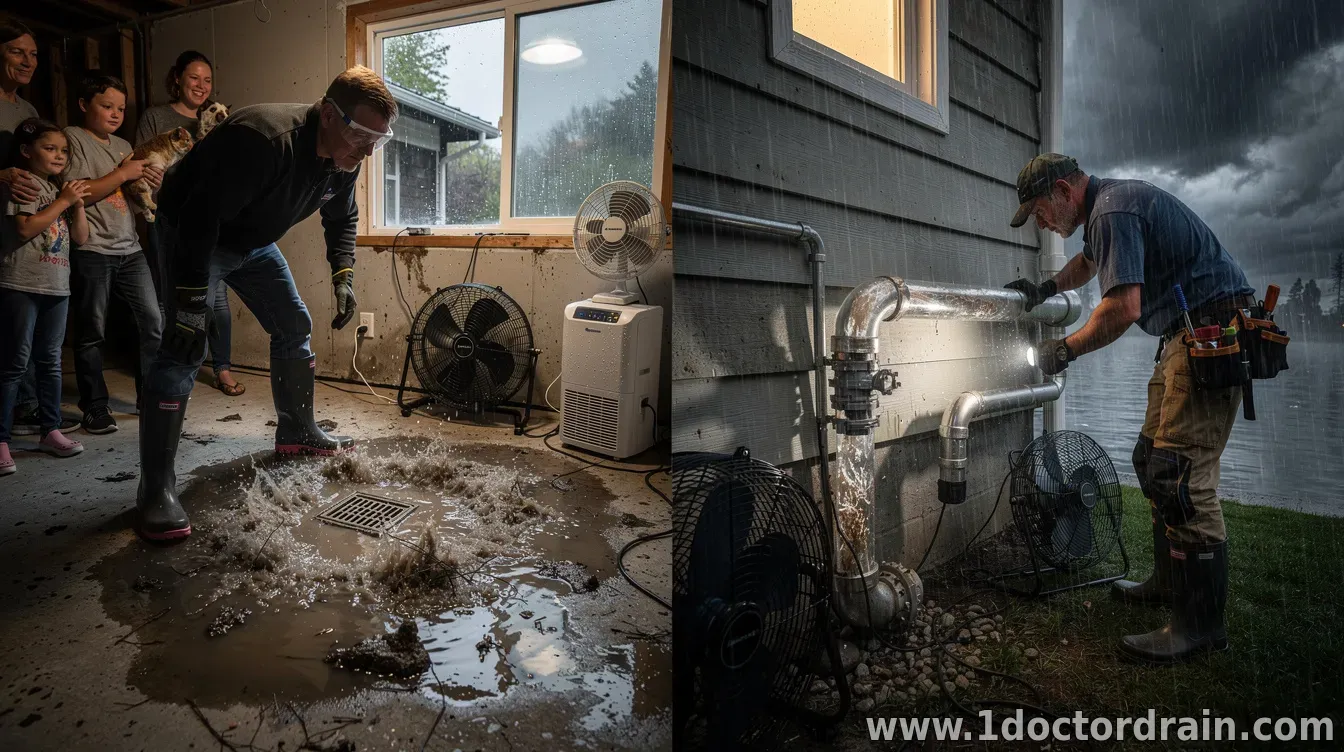
An ejector pump is designed to move wastewater away from basements, bathrooms, or other areas that sit below the main sewer line. When it fails, the results are rarely just an inconvenience—backup can begin surprisingly fast and escalate into water damage, contamination, and major cleanup costs.


Immediate effects: backup and rising water levels


Most ejector systems rely on a float switch and a pump to discharge waste into the proper line. If the pump stops working or power is interrupted, wastewater can start accumulating in the pit. As the level rises, it can overflow into nearby areas, turning a contained system into an active source of flooding.


Health and contamination risks


Ejector pumps handle sewage-level waste, which can contain bacteria and other pathogens. A backup can spread contamination onto floors, walls, and porous materials such as drywall, carpeting, and insulat ... Read more »


Added: admin 05/27/2026 into the category «Doctor Drain» Views: 55 Commets: 0
More


Video Home Inspections: What Buyers Often Miss

Video Home Inspections: What Buyers Often Miss


Video inspection content is increasingly common in real estate—buyers can “walk” a property remotely and get a fast sense of condition. But a recorded tour can create a false sense of completeness, because cameras show what light, angles, and access allow. Some of the most expensive home problems are also the hardest to confirm visually.


Industry professionals generally recommend treating video as a starting point, not the final say. Buyers should still schedule a qualified in-person inspection and, when warranted, request targeted testing (moisture, air quality, or specific systems).


1) Moisture and water damage in concealed areas


One of the biggest oversights in video-only reviews is concealed moisture. Roof leaks, plumbing seepage, and condensation often appear as staining, bubbling paint, or warped materials—signs that may be missed if the camera never pans across ceilings, behind do ... Read more »


Added: admin 05/26/2026 into the category «Doctor Drain» Views: 62 Commets: 0
More


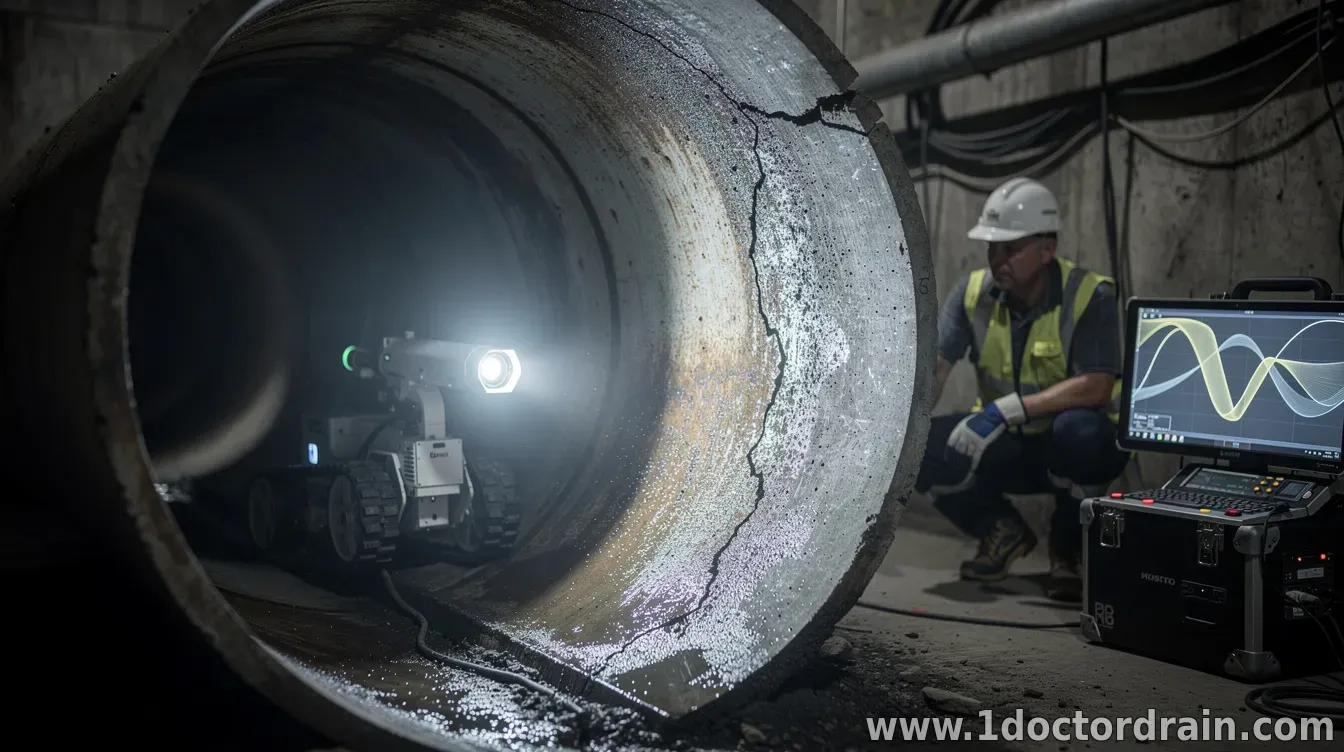
Slow Drains in Multiple Rooms: Could It Be the Main Line?

Slow Drains in Multiple Rooms: Could It Be the Main Line?


Slow drainage in multiple rooms is a common plumbing complaint, and it often raises the same question: is the problem in the main line or in separate lines tied to each fixture?


While a clog at one fixture can sometimes affect others, the pattern matters. If several drains—especially those on the same general plumbing route—slow down at the same time or after similar usage, it can suggest an issue farther down the system rather than multiple unrelated blockages.


What “multiple rooms” usually indicates


Plumbing systems route wastewater through branch lines that connect into larger trunks before reaching the main sewer or septic line. A blockage in the main line can create backing and slowdowns across several fixtures, because water can’t move freely through the system.


Conversely, a partial clog in a single branch line may primarily affect the fixtures served ... Read more »


Added: admin 05/25/2026 into the category «Doctor Drain» Views: 71 Commets: 0
More


« 1 2 3 4 5 ... 35 36 »