BLOG

Home BLOG

☎ 224-355-8929

Drain сleaning serviсe, clogged drain, sewer cleaner, IL

Home » Doctor Drain
How to Maintain Your Drains Between Professional Cleanings

How to Maintain Your Drains Between Professional Cleanings


Professional drain cleanings are essential for tackling stubborn buildup, but homeowners can extend the time between visits with consistent, low-cost maintenance. The goal is to reduce what enters the drain, remove early-stage residue before it hardens, and spot trouble signs early.


Start with what you put down the drain


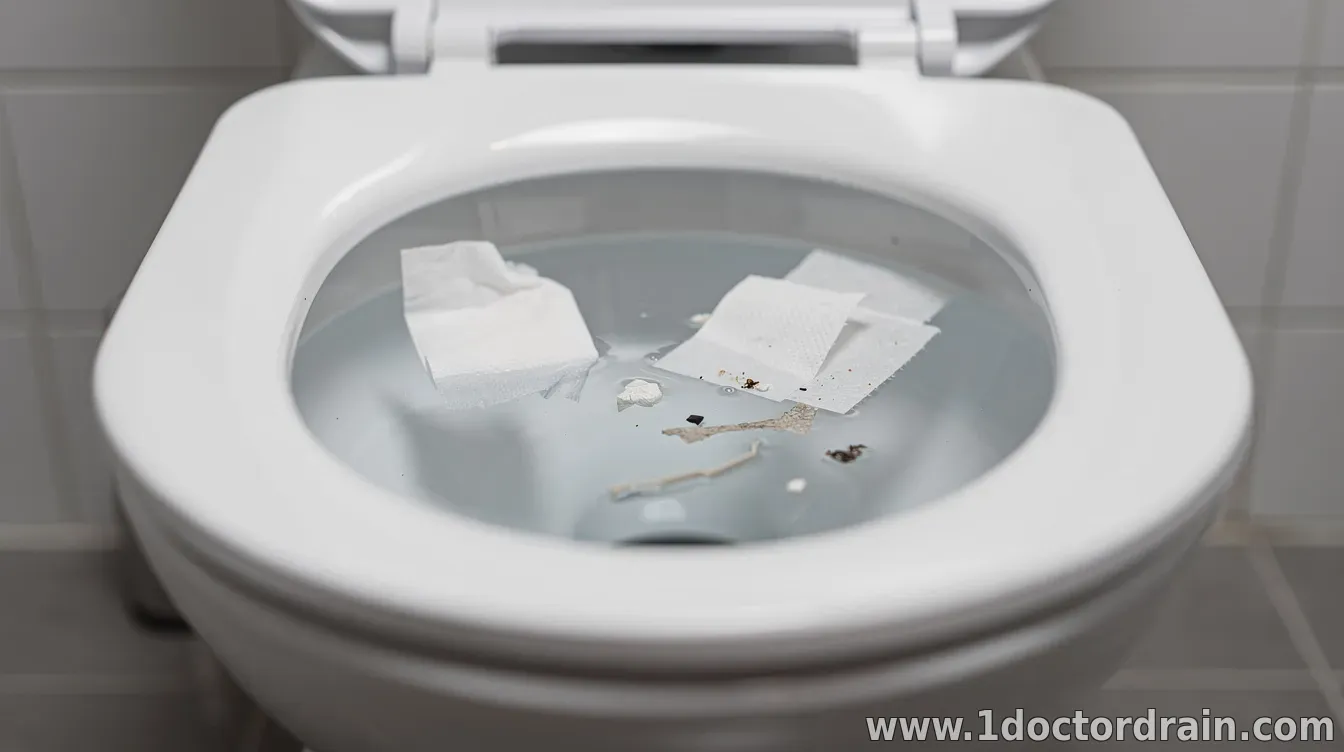
Many blockages begin with everyday habits. In kitchens, keep grease, cooking oil, and food scraps out of sink drains—even if you have a garbage disposal. In bathrooms, avoid flushing or rinsing items that don’t break down easily, such as wipes, hair, and dental floss.


For grease, use a strainer or collect-and-dispose method (e.g., a sealed container) rather than rinsing oil into the plumbing. For bathrooms, hair catchers and drain covers help intercept the material that most often contributes to slow drains.


Build a simple cleaning routine

  ... Read more »


Added: admin 05/04/2026 into the category «Doctor Drain» Views: 61 Commets: 0
More


Sewage Ejector Pump: How It Works and Signs of Failure

Sewage Ejector Pump: How It Works and Signs of Failure


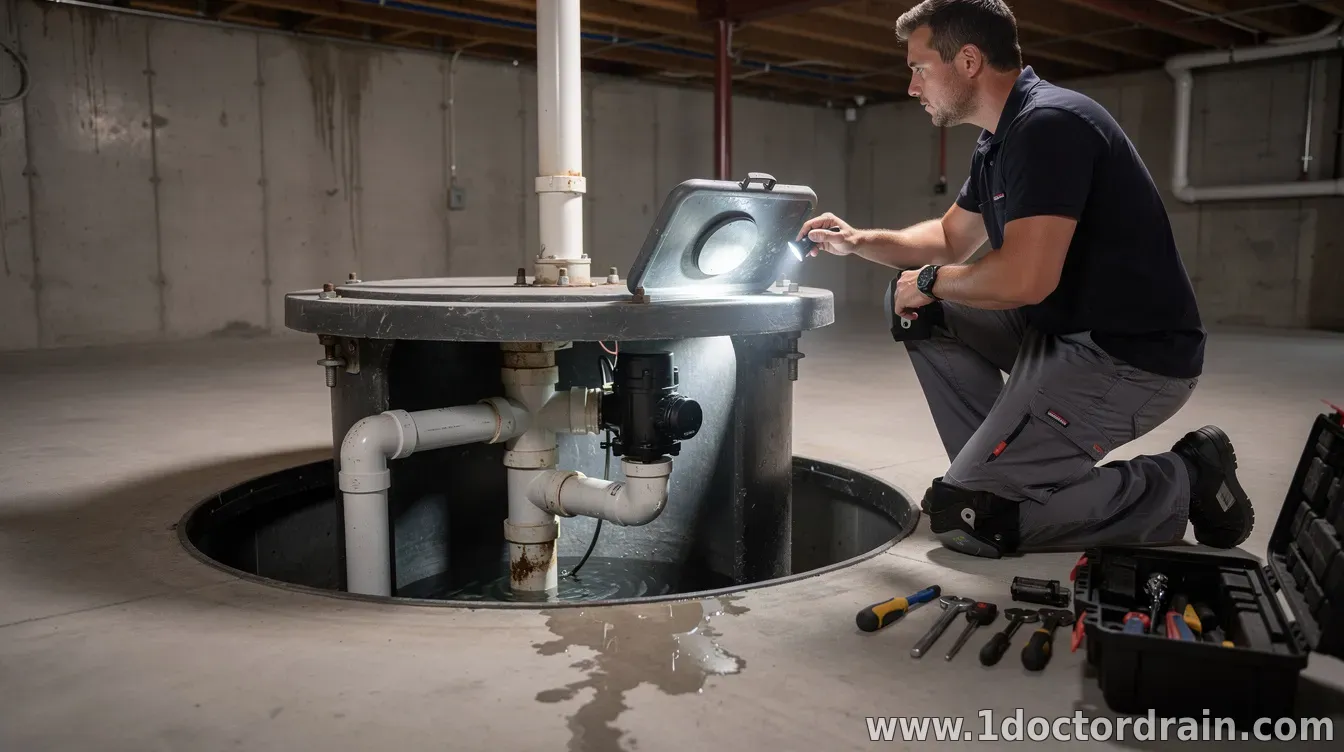
A sewage ejector pump is a specialized type of wastewater pump used when a home’s plumbing system can’t rely on gravity to send sewage to the municipal sewer or septic tank. Instead of wastewater flowing downhill on its own, the pump lifts it upward—often from a basement, crawl space, or other lower-than-sewer area.


Understanding what the pump does, and what “normal” looks like, makes it easier to catch problems early—before a minor mechanical issue turns into a messy backup.


What a sewage ejector pump does


Most systems include a basin (or sump) where wastewater collects, a pump that moves it, and controls that turn the pump on when the liquid reaches a certain level. Depending on the setup, the ejector pump may also include a check valve to prevent backflow and a discharge line that routes wastewater to the next step in the drainage pathway.


When waste ... Read more »


Added: admin 05/03/2026 into the category «Doctor Drain» Views: 54 Commets: 0
More


Grease Trap Cleaning for Restaurants: Why It Can’t Wait

Grease Trap Cleaning for Restaurants: Why It Can’t Wait


Grease traps are designed to intercept fats, oils, and grease before they reach municipal lines. For restaurants, that means cleaner plumbing, fewer backups, and better compliance with local wastewater rules. But when grease trap cleaning is postponed, the system can quickly become overwhelmed—turning a routine maintenance task into an urgent operational problem.


Here’s why grease trap cleaning can’t wait.


1) Slow buildup leads to sudden blockages


Grease doesn’t disappear; it accumulates. Over time, layers of FOG (fats, oils, grease) can thicken and solidify, reducing flow capacity and increasing the likelihood of clogs. What starts as “not that full” can escalate to a sudden blockage that disrupts kitchen operations.


2) Backups create costly downtime and sanitation risks


When a grease trap is overfilled or po ... Read more »


Added: admin 05/02/2026 into the category «Doctor Drain» Views: 56 Commets: 0
More


Floor Drain Backing Up: Common Causes and What to Do

Floor Drain Backing Up: Common Causes and What to Do


When a floor drain backs up, it’s more than an inconvenience. Standing water in a basement, laundry area, or garage can create odors, damage floors and belongings, and, in some cases, indicate a problem further down the plumbing line.


While the exact cause varies, most floor drain backups fall into a few predictable buckets: blockages near the drain, problems in the building’s trap or venting, or—less commonly—issues in the municipal sewer or neighboring property.


1) The most common culprit: a clog in or near the drain


Hair, soap residue, dirt, leaves, grit, and small debris can accumulate and eventually block flow. Grease and sludge are especially common in drains connected to utility sinks, mop water, or areas where cooking-related residue is washed away.


Clogs can be localized—right at the strainer, inside the drain body, or in the short run between the dr ... Read more »


Added: admin 05/01/2026 into the category «Doctor Drain» Views: 63 Commets: 0
More


« 1 2 3 4 5 6 ... 30 31 »