2:44 AM How Often Should You Schedule Main Line Rodding? | |
Maintaining a clear main sewer line is essential for preventing backups and protecting your home's plumbing. The frequency of main line rodding depends on several factors, including your home’s age, tree roots in the area, past clog history, and the local sewer system conditions. In general, many homeowners schedule preventive rodding every 3–5 years, but adjustments may be necessary based on your specific circumstances.
Key factors that influence how often you should rod the main line include:
If you recently moved into a home with a history of sewer problems, you might start with a professional inspection and set a sooner maintenance interval (e.g., every 1–2 years) until the system stabilizes. Conversely, newer homes with well-maintained pipes and no history of backups may extend to the upper end of the range or beyond, based on professional assessment.
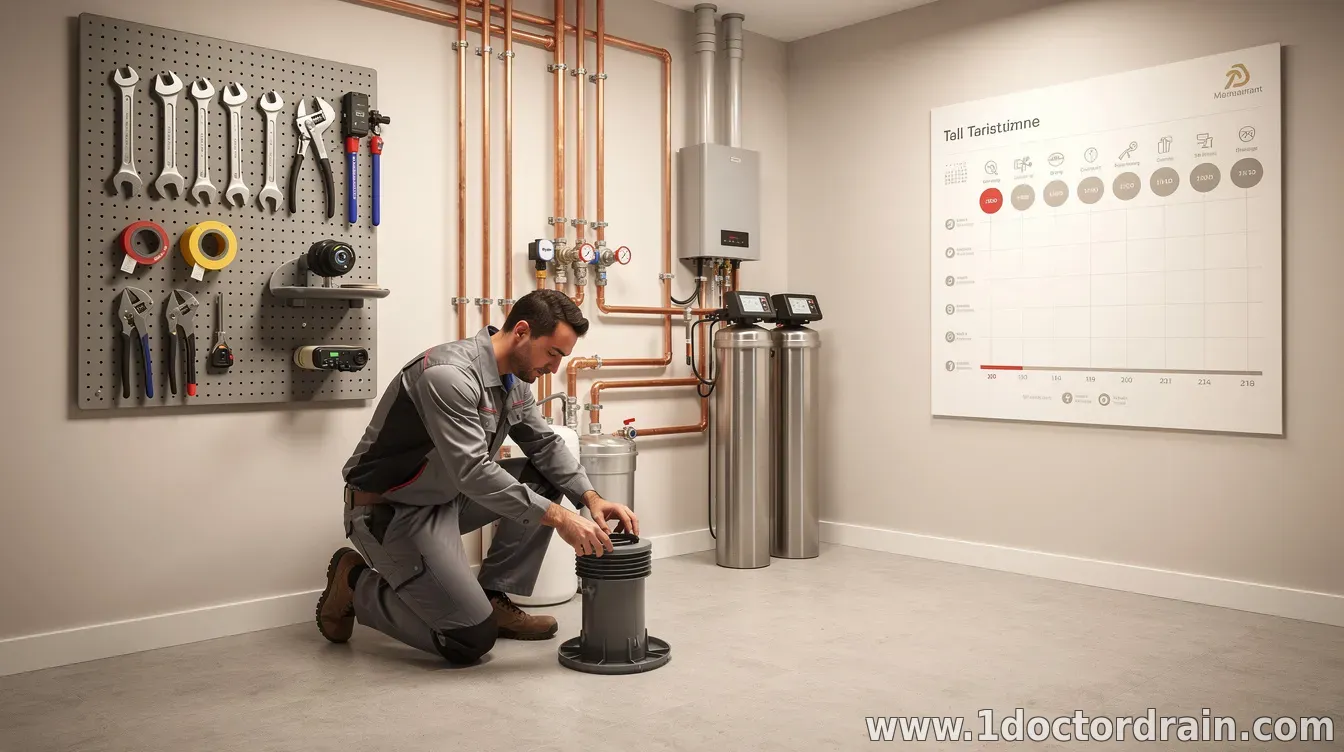
Professional rodding targets the main line to remove buildup, grease, and minor intrusions before they become a full blockage. It’s not a one-size-fits-all service; a licensed plumber or sewer specialist will evaluate your pipes with cameras (where appropriate) to determine cleanout locations and the appropriate cleaning method.
Signs you should schedule a rodding sooner include frequent clogs at multiple fixtures, sluggish drains across the system, strong odors near cleanouts, and water backups during heavy rainfall. If you notice these indicators, contact a licensed professional promptly to prevent more extensive damage.
Cost considerations vary by region, pipe type, and accessibility. Routine preventive rodding tends to be less expensive than emergency service after a major blockage or sewer line failure. Discuss your home’s layout, pipe materials, and history with the contractor to establish a practical maintenance plan that balances risk and budget.
Bottom line: aim for a proactive maintenance schedule based on risk factors and local conditions, usually every 3–5 years for many homes, with more frequent service if signs of trouble appear or if you have trees with invasive roots nearby. Regular inspections can save money and minimize disruption in the long run.
| |
|
| |
CALL ☎ Subscribe 👆
Next & Previous posts
Related materials:
CONTACT US 📩
Submit the form, we'll contact you as soon as possible!