
1:18 AM Key Components of a Sump Pump System | |
Heavy rainfall, melting snow, or rising groundwater can threaten a basement’s dry condition. A well-designed sump pump system detects water and moves it away from the home efficiently, protecting foundations and stored belongings. Key components
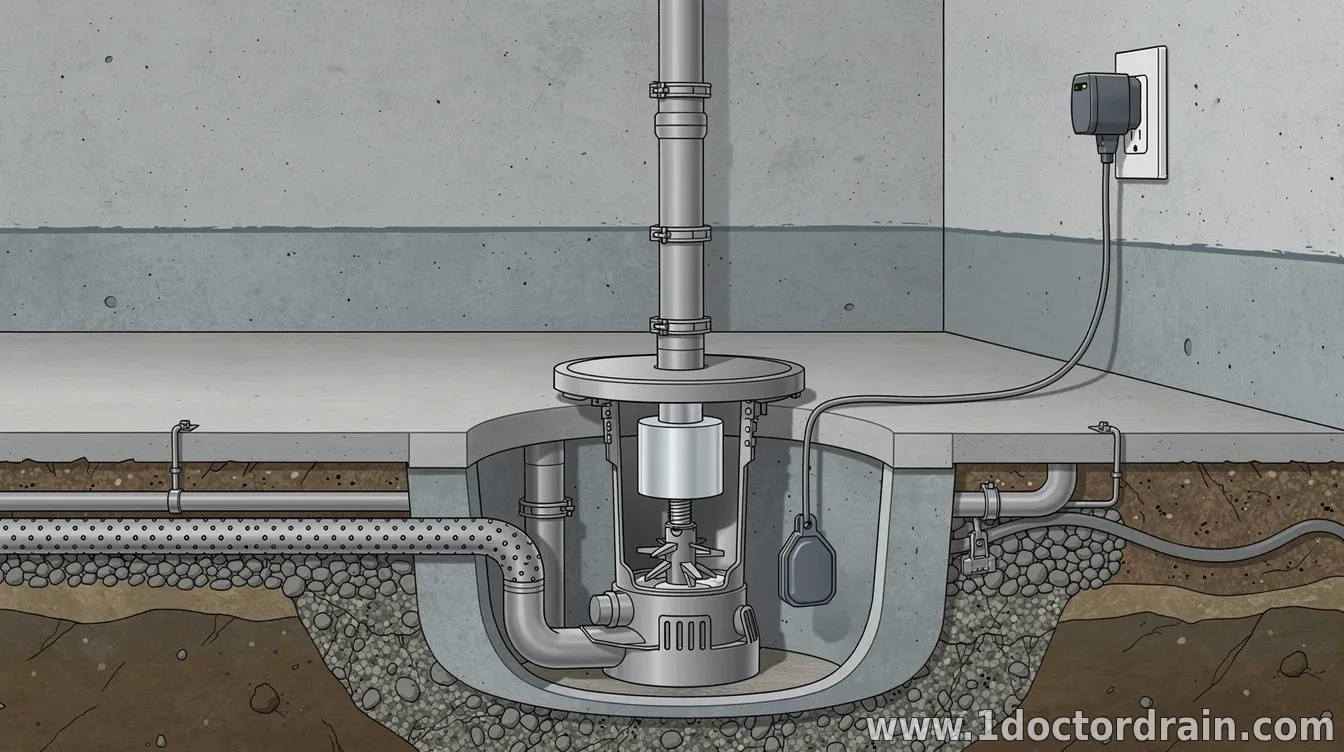
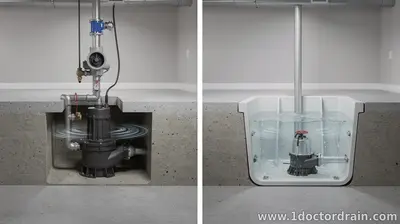
The core parts include the sump basin, the pump unit, and the discharge path. The basin collects water, the pump moves it out of the basement, and the discharge pipe channels it away from the foundation. A check valve on the discharge line prevents water from flowing back into the basin. A float switch activates the pump when water reaches a preset level. Many homes also rely on a power source backup, such as a battery-powered inverter or a secondary pump, to ensure operation during power outages. Some setups incorporate a vent or trap to manage odors and gases. How the parts work together
When water fills the sump basin, the float rises and triggers the pump motor. The pump pushes water through the discharge pipe, where a check valve prevents backflow. The water exits the system at a safe distance from the foundation, typically via a buried or above-ground drain. In homes with a backup system, the secondary pump engages if the primary pump fails or if there is a power outage, maintaining continuous protection. Maintenance tips
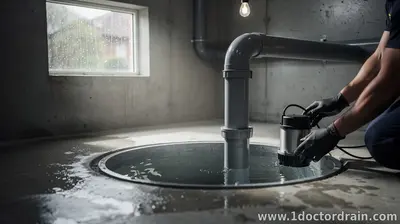
Test the system monthly by pouring water into the sump to confirm the pump activates and drains properly. Clean the basin and remove debris that could impede operation. Inspect and replace the check valve if movement is stiff or if backflow is detected. Keep the discharge area clear and ensure the pipe is not kinked or blocked. If you have a battery-backed system, test the battery and replace it as recommended by the manufacturer. Schedule professional inspections at least once a year to verify seals, wiring, and the overall health of the pump and backup components.
| |
|
| |
CALL ☎ Subscribe 👆
Next & Previous posts
Related materials:
CONTACT US 📩
Submit the form, we'll contact you as soon as possible!