BLOG

Home BLOG

☎ 312-532-6435

Drain сleaning serviсe, clogged drain, sewer cleaner, IL

Home » Doctor Drain
Slow Drains in Multiple Rooms: Could It Be the Main Line?

Slow Drains in Multiple Rooms: Could It Be the Main Line?


Slow drainage in multiple rooms is a common plumbing complaint, and it often raises the same question: is the problem in the main line or in separate lines tied to each fixture?


While a clog at one fixture can sometimes affect others, the pattern matters. If several drains—especially those on the same general plumbing route—slow down at the same time or after similar usage, it can suggest an issue farther down the system rather than multiple unrelated blockages.


What “multiple rooms” usually indicates


Plumbing systems route wastewater through branch lines that connect into larger trunks before reaching the main sewer or septic line. A blockage in the main line can create backing and slowdowns across several fixtures, because water can’t move freely through the system.


Conversely, a partial clog in a single branch line may primarily affect the fixtures served ... Read more »


Added: admin 05/25/2026 into the category «Doctor Drain» Views: 108 Commets: 0
More


How to Clean a Basement Floor Drain (and Why It Matters)

How to Clean a Basement Floor Drain (and Why It Matters)


A basement floor drain is easy to ignore—until it backs up. Regular cleaning helps maintain drainage, reduces unpleasant smells, and can lower the risk of water pooling during heavy rain or plumbing issues.


Most clogs build up from everyday debris: hair, grit, soap residue, and what’s carried in on boots. Over time, that buildup traps water and creates a cycle of slow drainage, standing water, and odor.


Step-by-step: Clean your floor drain


Start by clearing the area around the drain. If there’s standing water, remove it with a wet/dry vacuum or a mop and bucket so you can see what you’re working with. If the drain cover is removable, take it off and set it aside.


Next, loosen surface debris. Use a brush (a small scrub brush works well) to dislodge hair and grime from the strainer and the visible drain opening. Wipe away what you can reach, then rinse with hot water ... Read more »


Added: admin 05/24/2026 into the category «Doctor Drain» Views: 106 Commets: 0
More


Bathroom Sink vs Kitchen Drain: Causes & Fixes

Bathroom Sink vs Kitchen Drain: Causes & Fixes


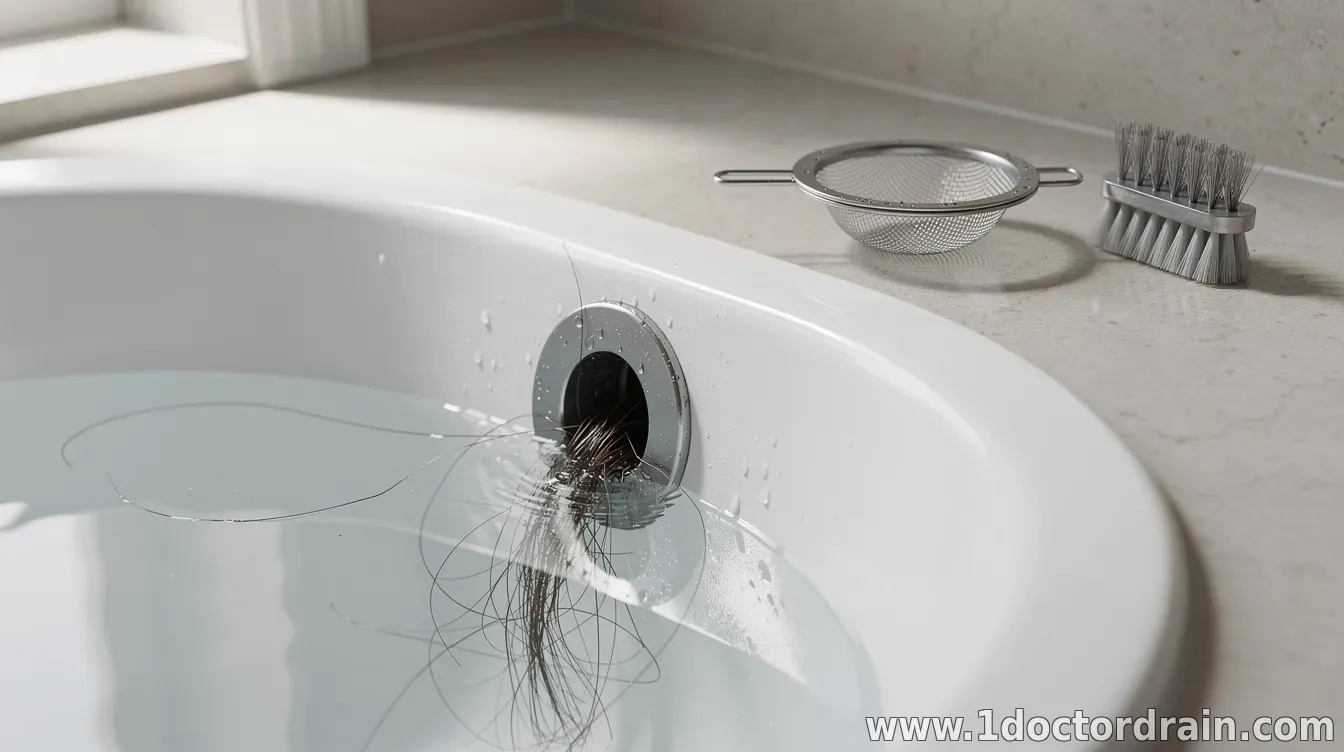
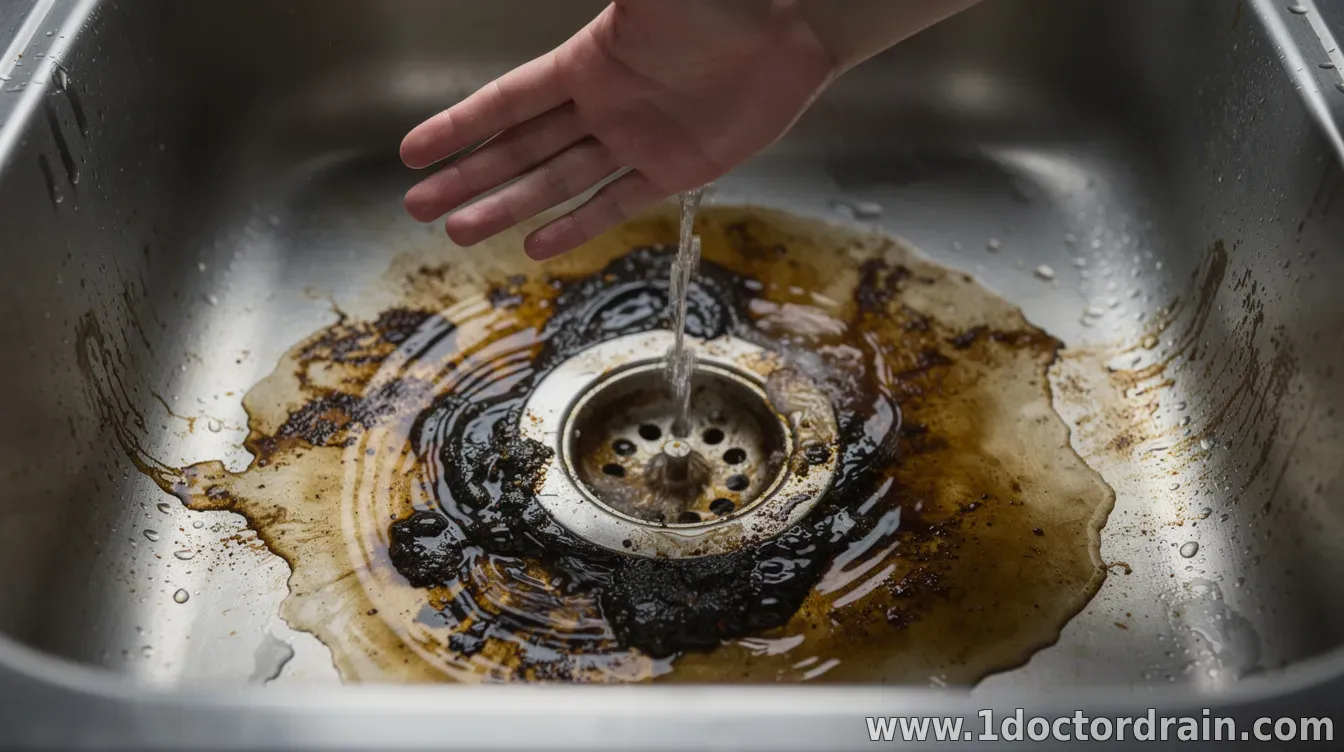
A bathroom sink and a kitchen drain can both empty slowly or back up, but the likely causes differ—and so do the most effective remedies. Bathroom drains typically get clogged by hair, soap residue, toothpaste particles, and skin oils, while kitchen drains are more often blocked by grease, food scraps, starches, and cooking byproducts.


Because these materials behave differently in pipes, using the wrong “fix” (like trying to dissolve grease with something that only targets hair) can waste time—or even make the problem worse. The key is to diagnose the clog based on symptoms and what you know about what goes down the drain.


Why bathroom sink drains clog


Bathroom sink blockages commonly form when hair and fine debris mix with soap and moisturize in the pipe, creating a sticky “mat” that traps more material. Toothpaste residue and body oils can further reduce flow by coating pip ... Read more »


Added: admin 05/23/2026 into the category «Doctor Drain» Views: 115 Commets: 0
More


Fall Drain Prep to Prevent Winter Pipe Freezes

Fall Drain Prep to Prevent Winter Pipe Freezes


Freezing pipes often start long before the coldest day of the year. In many homes, the first signals show up in fall: slow drains, gurgling sounds, lingering water in traps, and drafts around openings where cold air can reach plumbing.


By preparing drains and reducing how much cold air and water linger near vulnerable lines, homeowners can lower the odds of winter backups and freeze-related damage.


1) Clear drain flow before temperatures fall


Start with the basics: remove hair, grease, and debris from bathroom and kitchen drains so water doesn’t stagnate. Clean sink stoppers and strainers, and flush lines with hot water (only if your plumbing and local guidance allow it). If a drain is already slow in fall, it’s more likely to freeze or overflow during extreme cold.


2) Protect the “last few feet” where freezing starts


Pipes are often most ... Read more »


Added: admin 05/22/2026 into the category «Doctor Drain» Views: 99 Commets: 0
More


« 1 2 ... 11 12 13 14 15 ... 45 46 »