BLOG

Home BLOG

☎ 312-532-6435

Drain сleaning serviсe, clogged drain, sewer cleaner, IL

Home » Doctor Drain
High-Rise Drain Stacks: Common Problems and Solutions

High-Rise Drain Stacks: Common Problems and Solutions


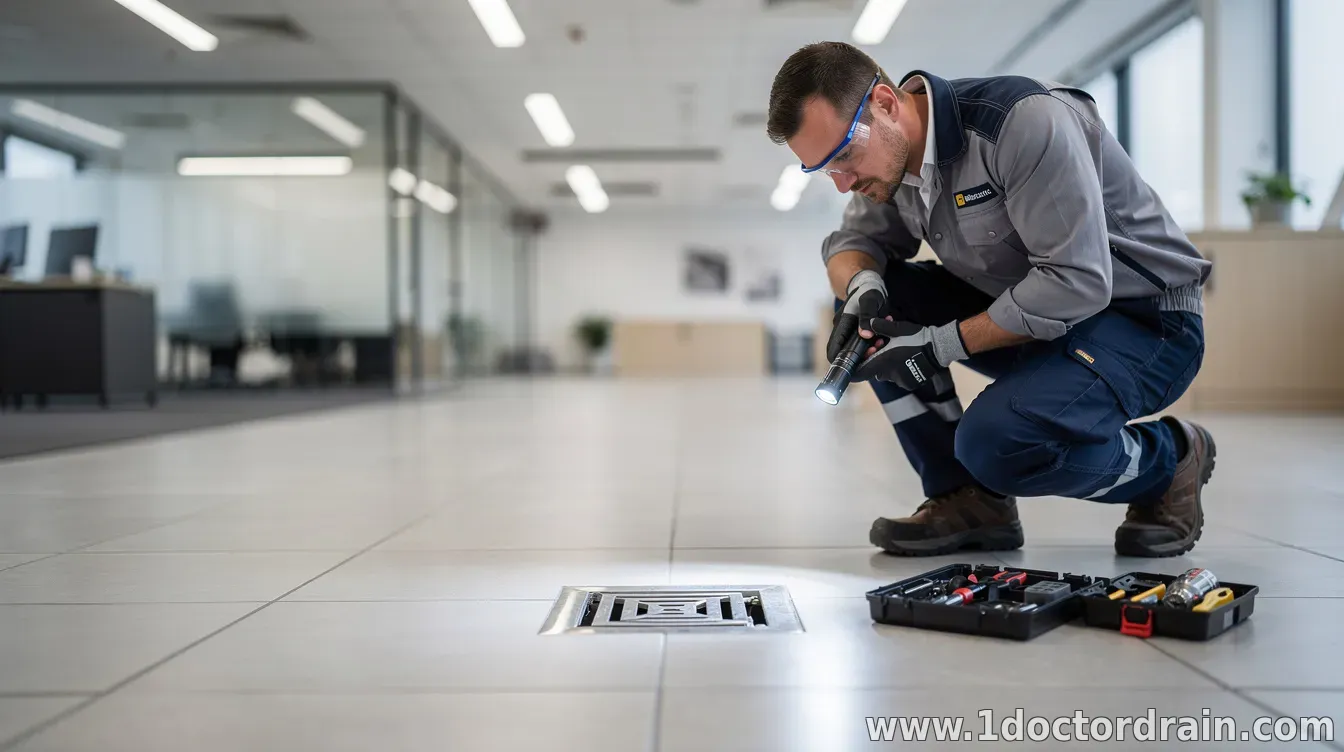
In high-rise buildings, drain stacks are the backbone of daily wastewater evacuation. Yet stack systems are under constant pressure—high fixture demand, long vertical runs, and aging components—so problems can develop quietly before they become visible as leaks, blockages, or persistent odors.

Maintenance teams typically see recurring failure patterns across buildings, from incorrect venting to pipe deterioration and installation details that make performance degrade over time. Addressing these issues early helps prevent costly floor-by-floor disruptions and repeat service calls.


1) Slow drainage and recurring clogs


One of the most common stack-related complaints is slow draining, especially when multiple fixtures are used in sequence. In many cases, the root cause is partial blockage caused by grease, hair, mineral scaling, construction debris, or non-flushable materials that accumulate over time.

 < ... Read more »


Added: admin 06/04/2026 into the category «Doctor Drain» Views: 83 Commets: 0
More


How to Test Your Sump Pump Before Spring Rains

How to Test Your Sump Pump Before Spring Rains


As spring rains approach, homeowners with basements or crawl spaces should take time to confirm their sump pump is ready. A working pump can quickly move water away from your foundation, while a neglected system can fail right when it’s needed most.


Testing doesn’t have to be complicated, but it should be thorough. Use a safe, controlled approach to verify that the pump starts reliably, runs without unusual noise, and discharges properly—especially after a long winter or months of inactivity.


1) Start with a safety and power check


Begin by locating the pump, its power source, and any nearby circuit protections. Make sure the pump is plugged in or wired correctly and that the outlet or breaker is functioning. If your system includes a test switch, confirm it operates as expected. If the pump uses a cord, check for damage or loose connections; avoid testing with wet hands or in standing water. ... Read more »


Added: admin 06/03/2026 into the category «Doctor Drain» Views: 81 Commets: 0
More


What Is Descaling and When It’s Needed After Hydro Jetting

What Is Descaling and When It’s Needed After Hydro Jetting


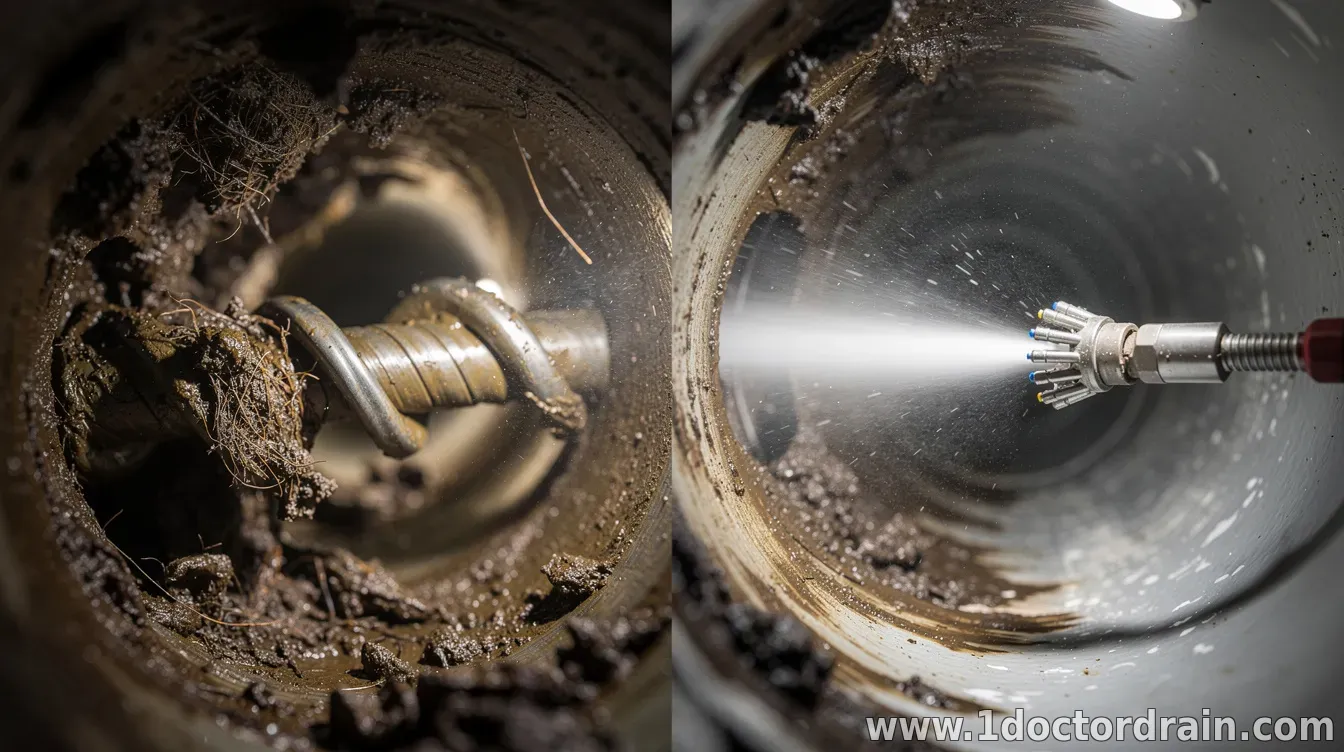
Hydro jetting is designed to blast away grease, sludge, and other debris deep inside a drain line using high-pressure water. While it’s highly effective at clearing many obstructions, it doesn’t always solve every type of buildup—especially when mineral scale or hard deposits have formed on the pipe walls.


That’s where descaling comes in. In simple terms, descaling is the removal of mineral deposits (often calcium, magnesium, or similar compounds) that can adhere to plumbing surfaces over time. These deposits can narrow the pipe, trap other debris, and contribute to recurring clogs even after a thorough jet.


How descaling differs from hydro jetting


Hydro jetting primarily focuses on loosening and flushing away material that’s already in the pipe—such as food waste, hair, soap residue, and accumulated gunk. Descaling targets what’s bonded to the pipe wal ... Read more »


Added: admin 06/02/2026 into the category «Doctor Drain» Views: 68 Commets: 0
More


Cracked vs. Collapsed Sewer Line: Differences & Fixes

Cracked vs. Collapsed Sewer Line: Differences & Fixes


Sewer problems are often reported as slow drains, gurgling sounds, or sewage odors, but the underlying damage can range from a crack to a full collapse. While both conditions may lead to backups, a cracked sewer line is usually a structural defect that can be addressed with targeted repairs, whereas a collapsed sewer line indicates a loss of pipe integrity that commonly requires more extensive work.


What a cracked sewer line means


A cracked sewer line typically involves a break or fracture in the pipe wall. Depending on where and how wide the crack is, wastewater may leak into surrounding soil and groundwater or allow roots and debris to enter. In many cases, flow is reduced but the pipe still carries waste—at least until conditions worsen.


Common signs include recurring clogs, minor surface seepage after heavy rain, damp ground near cleanouts, or detectable odors. Camera inspections oft ... Read more »


Added: admin 06/01/2026 into the category «Doctor Drain» Views: 74 Commets: 0
More


« 1 2 ... 4 5 6 7 8 ... 40 41 »