☎ 312-532-6435
Home » PHOTO » Drain сleaning serviсe » Sump Pump and Drainage Solutions for Flood-Prone

Sump Pump and Drainage Solutions for Flood-Prone
Flooding and water intrusion in basements or crawlspaces remain a major concern for homeowners in wet climates. A well-planned sump pump and drainage system can dramatically reduce dampness, mold risk, and structural damage. This article outlines common sump pump options, effective drainage strategies, maintenance routines, and decision points to help you design a reliable solution.
Overview of sump pumps and drainage
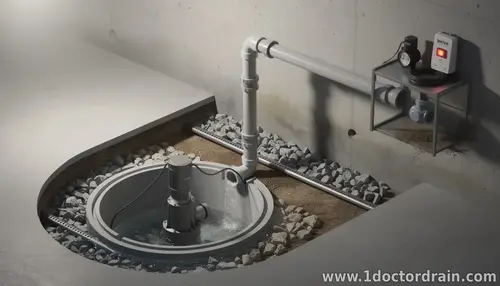
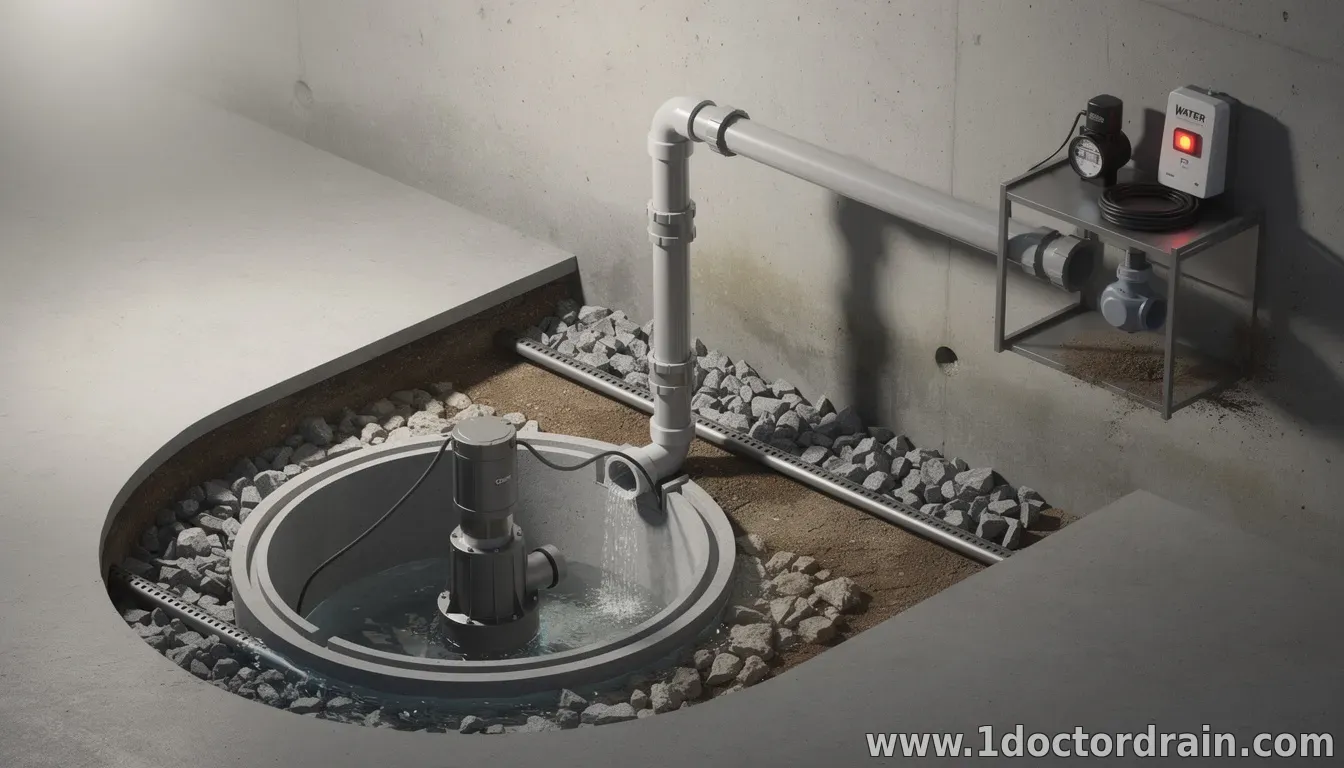
A sump pump is typically installed in a pit (sump) to collect groundwater and surface water and discharge it away from the foundation. Drainage strategies complement the pump by directing water away from the home, reducing the volume that reaches the sump. Together, they form a defensive system that protects living spaces from excess moisture.
Best types of sump pumps
Two main pump types are common: submersible and pedestal. Submersible pumps sit underwater in a sealed basin, drawing water efficiently with less noise. Pedestal pumps have a motor mounted above the sump, which can be easier to service but is typically louder. Consider capacity (gallons per hour), switch type, and control features when choosing a pump for a typical home with a medium to large basement.
Overview of sump pumps and drainage
A sump pump is typically installed in a pit (sump) to collect groundwater and surface water and discharge it away from the foundation. Drainage strategies complement the pump by directing water away from the home, reducing the volume that reaches the sump. Together, they form a defensive system that protects living spaces from excess moisture.
Best types of sump pumps
Two main pump types are common: submersible and pedestal. Submersible pumps sit underwater in a sealed basin, drawing water efficiently with less noise. Pedestal pumps have a motor mounted above the sump, which can be easier to service but is typically louder. Consider capacity (gallons per hour), switch type, and control features when choosing a pump for a typical home with a medium to large basement.
- Date: 10/13/2026 in 1:34 AM
- Categories: Drain сleaning serviсe
- Size: 1344x768px (73.7kb)
- 5.0
- Subscribe 👆
CALL ☎
CONTACT US 📩
Submit the form, we'll contact you as soon as possible!